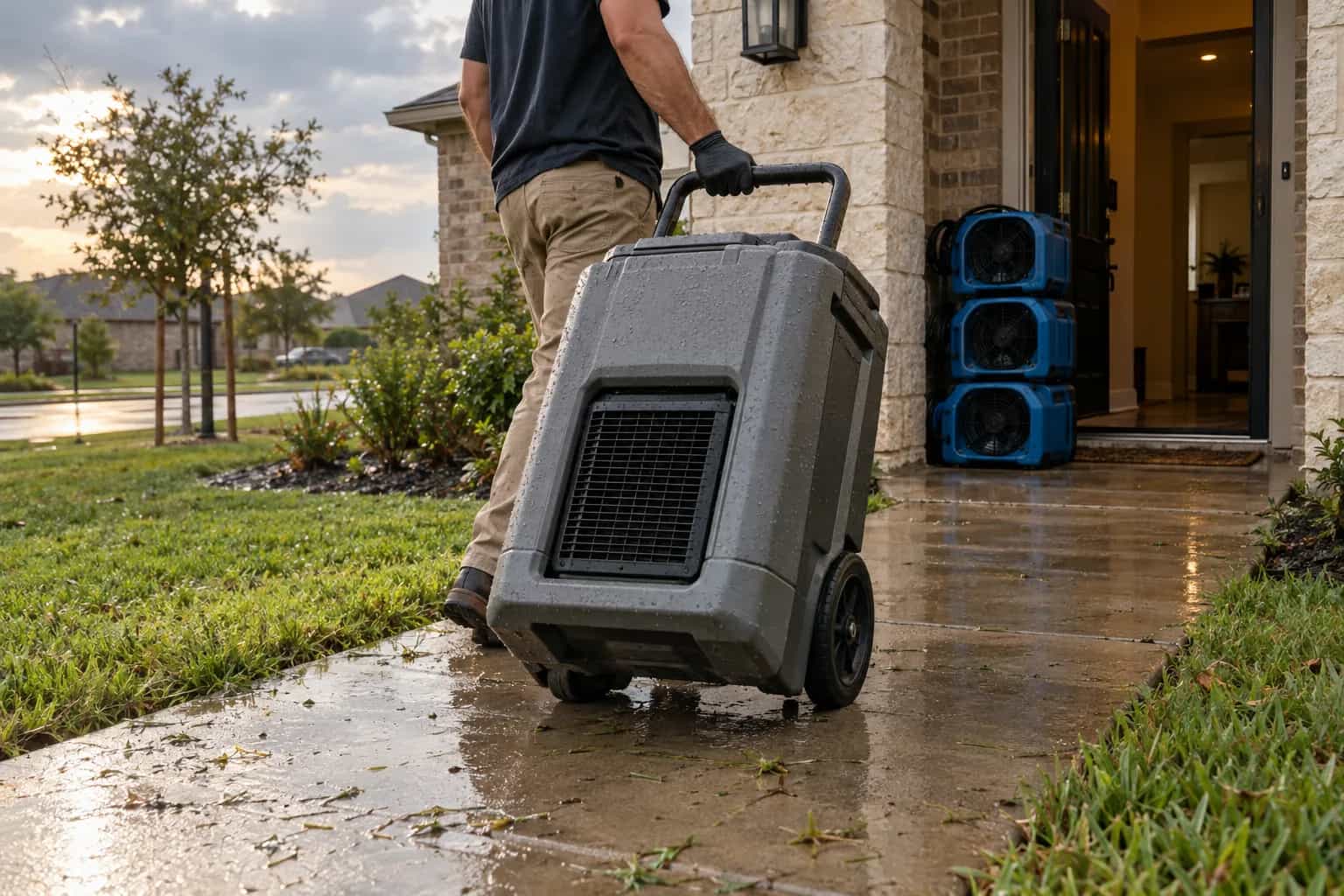
About us
About Water Damage Restoration San Marcos
We are locally based in San Marcos, built around how the rivers here actually behave, and honest about what we have not earned yet. Here is how we work.
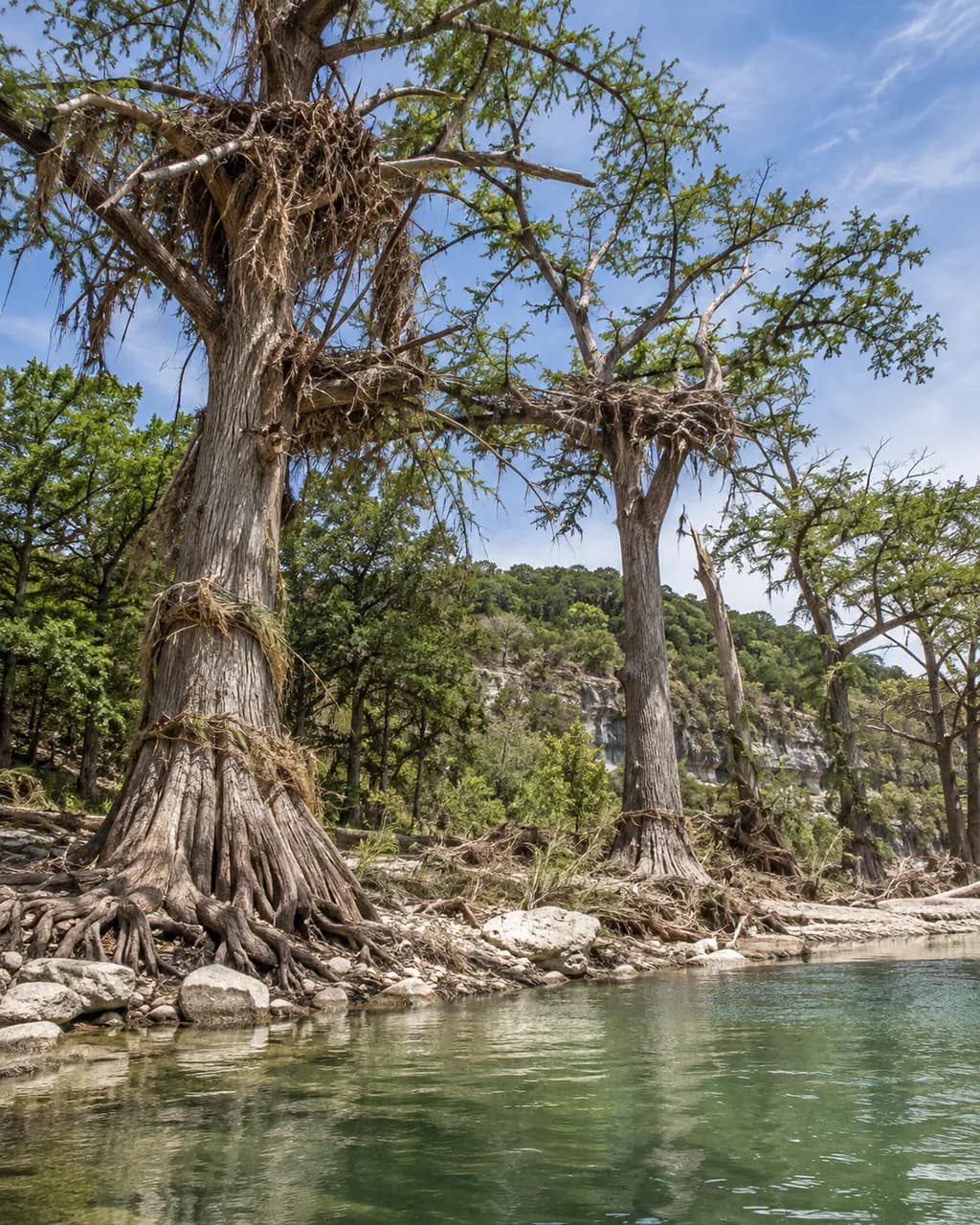
About Water Damage Restoration San Marcos. We are a locally focused water-mitigation company built around the one thing most competitors ignore, the real flood risk of living in this part of Central Texas. We serve San Marcos and Hays County, working to recognized industry standards with drying verified by moisture readings, not by how a wall happens to look. We will not invent a founding story or pad a stat to sound bigger than we are. We will be honest about cost, honest about insurance, and exact about whether your home is dry. That is the whole pitch. Read on for water damage restoration in San Marcos and how we work.
Built for San Marcos and Hays County
Local is not a marketing word here. It is the job. San Marcos sits in Texas Flash Flood Alley, where thin soil over limestone sends heavy rain straight into the San Marcos and Blanco Rivers, and those rivers can rise fast enough to flood a low-lying street before the rain stops.
A company that understands that pattern runs a flood job differently than one reading the city name off a map for the first time.
The risk does not end when the water recedes. The damp lingers. Our humid Central Texas climate keeps materials damp long after a leak, and that lingering moisture is exactly what mold needs to take hold inside walls and under floors. So the local knowledge and the technical work are the same thing. Knowing how the water gets in, then beating the mold window before it starts. Same skill, two faces. We serve San Marcos and Hays County and the surrounding towns of Kyle, Buda, Wimberley, and Martindale, with coverage reaching Maxwell, New Braunfels, Canyon Lake, and Dripping Springs.
How We Approach Water Damage Restoration
Water Damage Restoration San Marcos is a locally focused water-mitigation provider serving San Marcos and Hays County. The work follows the ANSI/IICRC S500 water-restoration and S520 mold standards, with drying verified by daily moisture readings to a documented dry standard rather than by appearance. Honest cost and insurance guidance is part of every job.
A word on those standards. IICRC and ANSI publish the reference documents the restoration trade works to, and EPA guidance shapes how mold is handled safely. We follow ANSI/IICRC S500 for water and S520 for mold as the framework for how we run a job. That describes the standards the work follows, not a claim that any individual holds a particular certification. The reason it matters is plain. Drying is governed by psychrometry, the relationship between temperature, humidity, and how fast a material gives up its moisture, and a crew that ignores it ends up surface-drying a room while the subfloor stays wet underneath.
Our Documented, Dry-to-Standard Process
Four stages, no shortcuts. First we assess, using moisture meters and thermal imaging to map where the water actually went. Then we extract standing water and saturated materials. Third, we dry to a documented standard with daily moisture readings against a target. Finally we restore to pre-loss condition.
The water usually went further than the visible damage suggests, and the daily readings are what replace a tech's hand on the drywall with a number.
That third stage is where homeowners get burned most. "Looks dry" and "is dry" are not the same thing, and the gap between them is where mold lives. We aim to document moisture readings through the dry-out and provide a written record, so you have proof the structure was brought back to a dry standard.
Honest Cost and Insurance
Restoration pricing is opaque, and homeowners are right to worry about padded invoices. We would rather lose a job to honesty than win one by hiding the number. We walk through how we keep cost honest up front, so you understand the scope before the equipment shows up.
Here is the part of the industry nobody likes to talk about. It is the money, and the fear is earned.
Insurance is the same story. Paper matters here. We document the loss the way carriers expect, with moisture logs, scope, and photos, and we can coordinate with your insurer where possible. Straight talk, both ways. We will also tell you honestly when a claim might not be worth filing, because the cause of the water decides what your policy covers. If you want to understand the coverage side before you call anyone, start with how Texas water damage insurance works.
How We Judge Our Own Work
We measure a job by the readings, not by adjectives. A drying job here is finished when the affected material matches a dry standard taken from unaffected material of the same type in the same building, logged at the same marked points every day. That number either matches or it does not, which is why we hand you the log instead of an assurance.
Plenty of sites in this space lead with claim-success percentages and client counts that nobody can check. We would rather publish the things you can check. The short version is the standards we work to (ANSI/IICRC S500 for water, S520 for mold), what Texas actually requires above the 25 contiguous square foot mold threshold, and real price ranges for this market before you have committed to anything.
So the test we hold ourselves to is simple. Did the readings hit standard, is the moisture source actually fixed, and does the paperwork stand up when your adjuster reads it. Get those three right and the room stays dry. Miss one and it comes back, which is why we would rather tell you the truth about your home, your cost and your odds with the insurer than sell you a number.
Our work
What the work actually looks like
Real process and equipment from honest restoration work, not staged catastrophe shots.
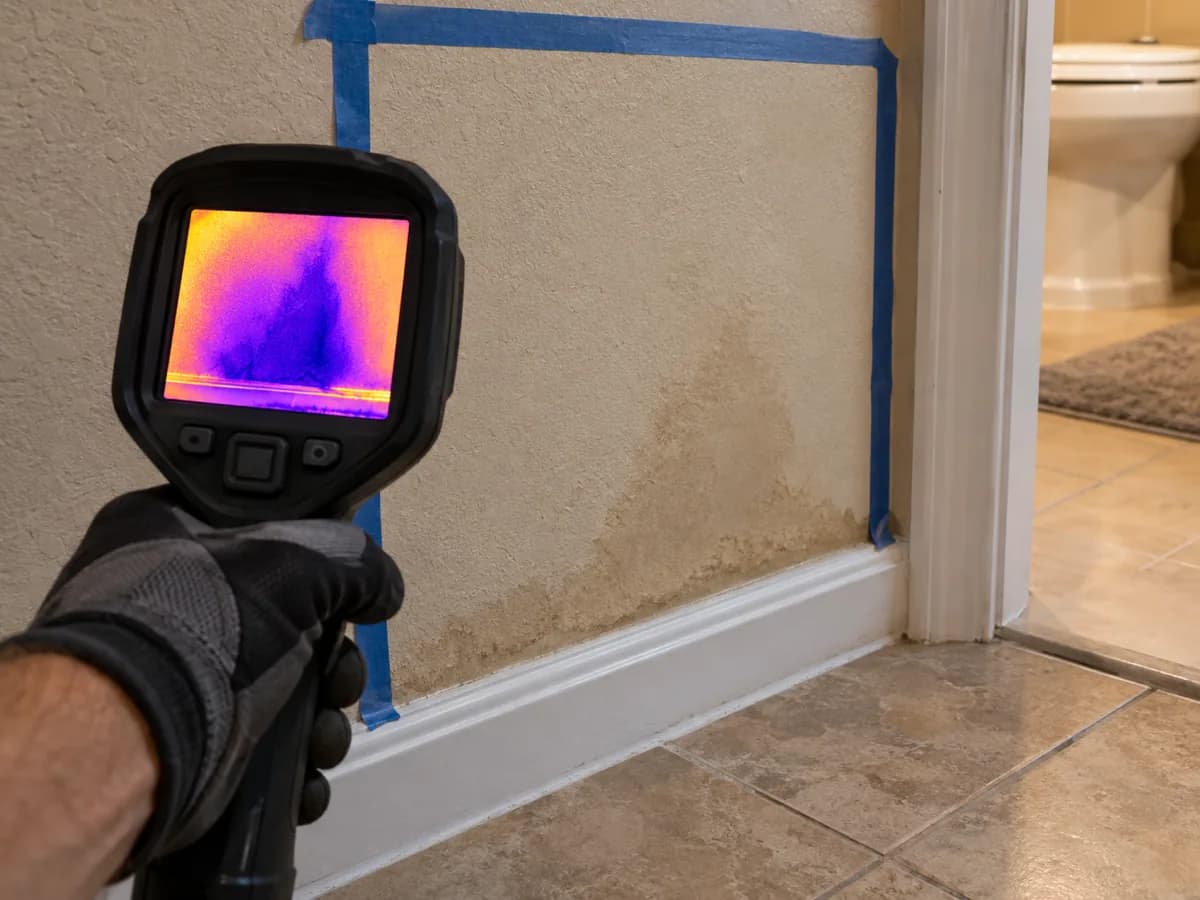
We assess and document before any equipment goes in.
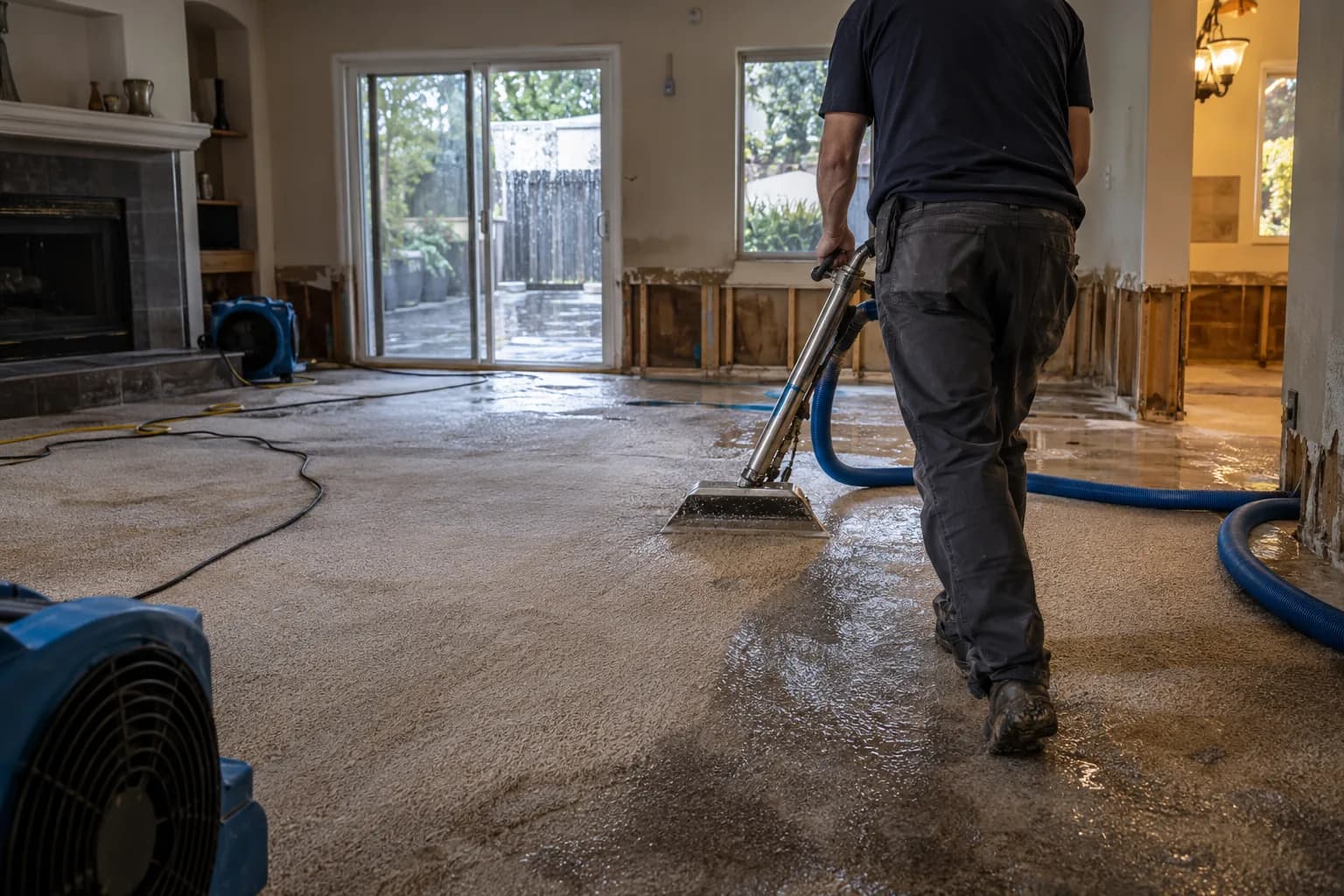
Standing water comes out first, fast.
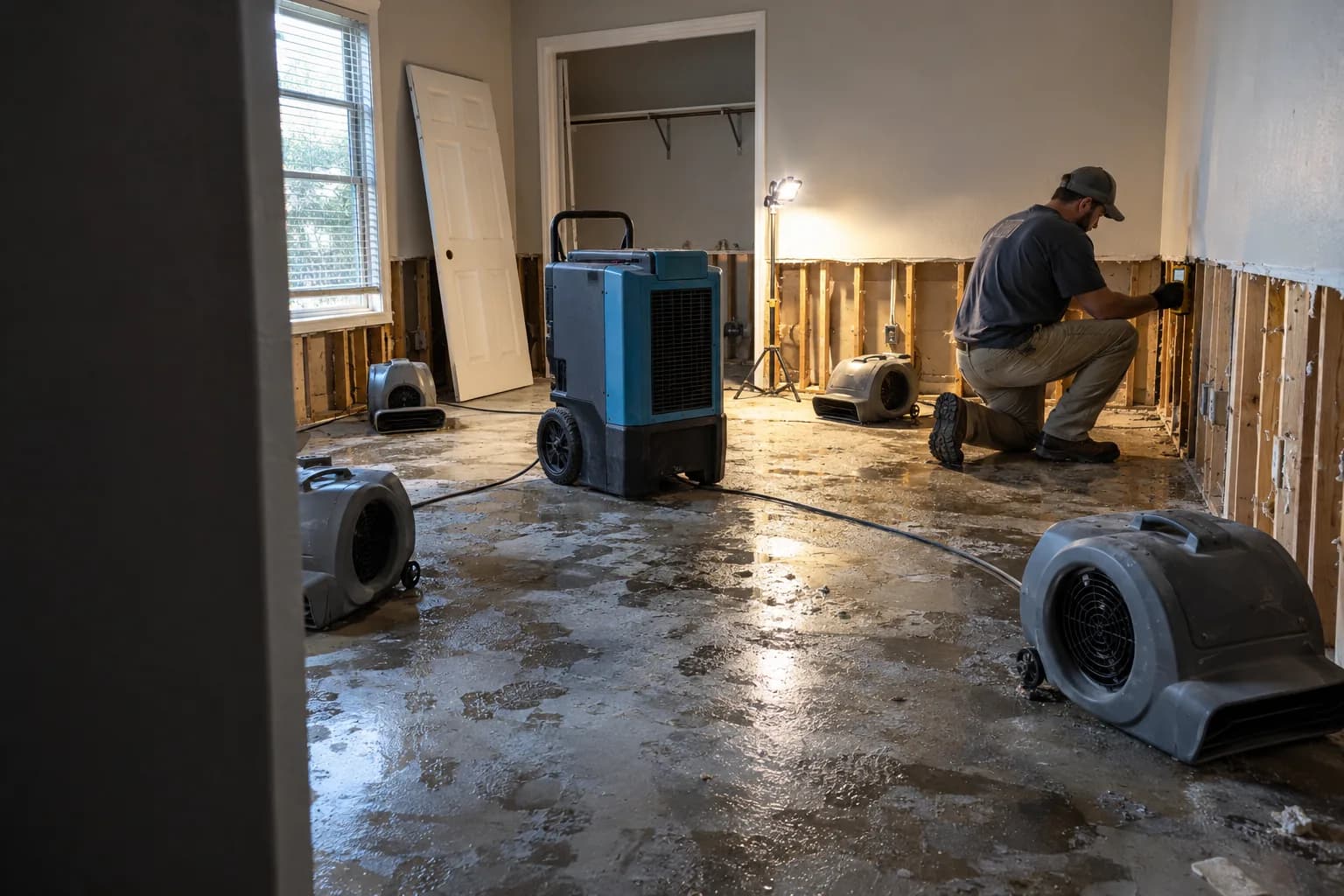
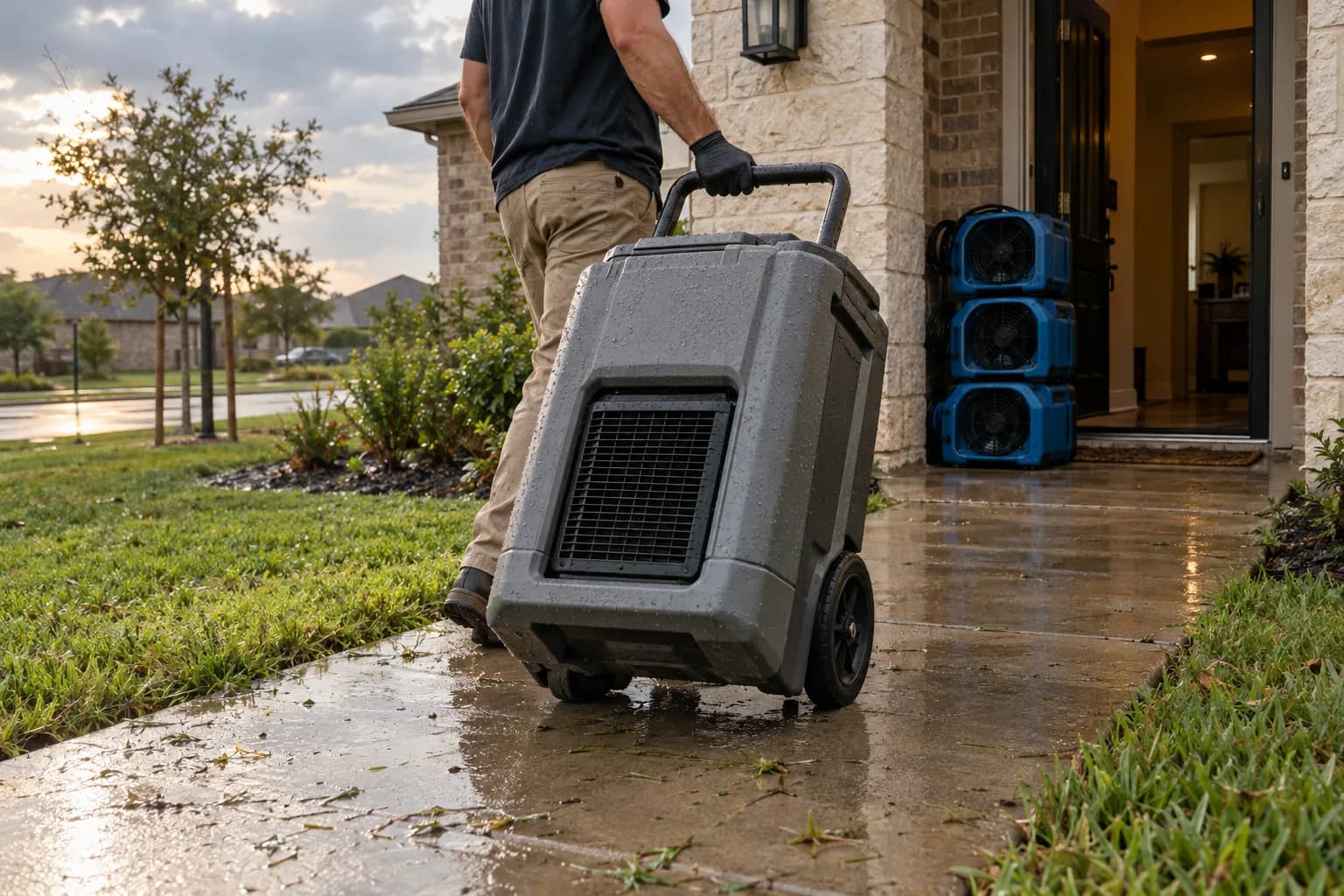
Air movers and dehumidifiers dry to a documented target.
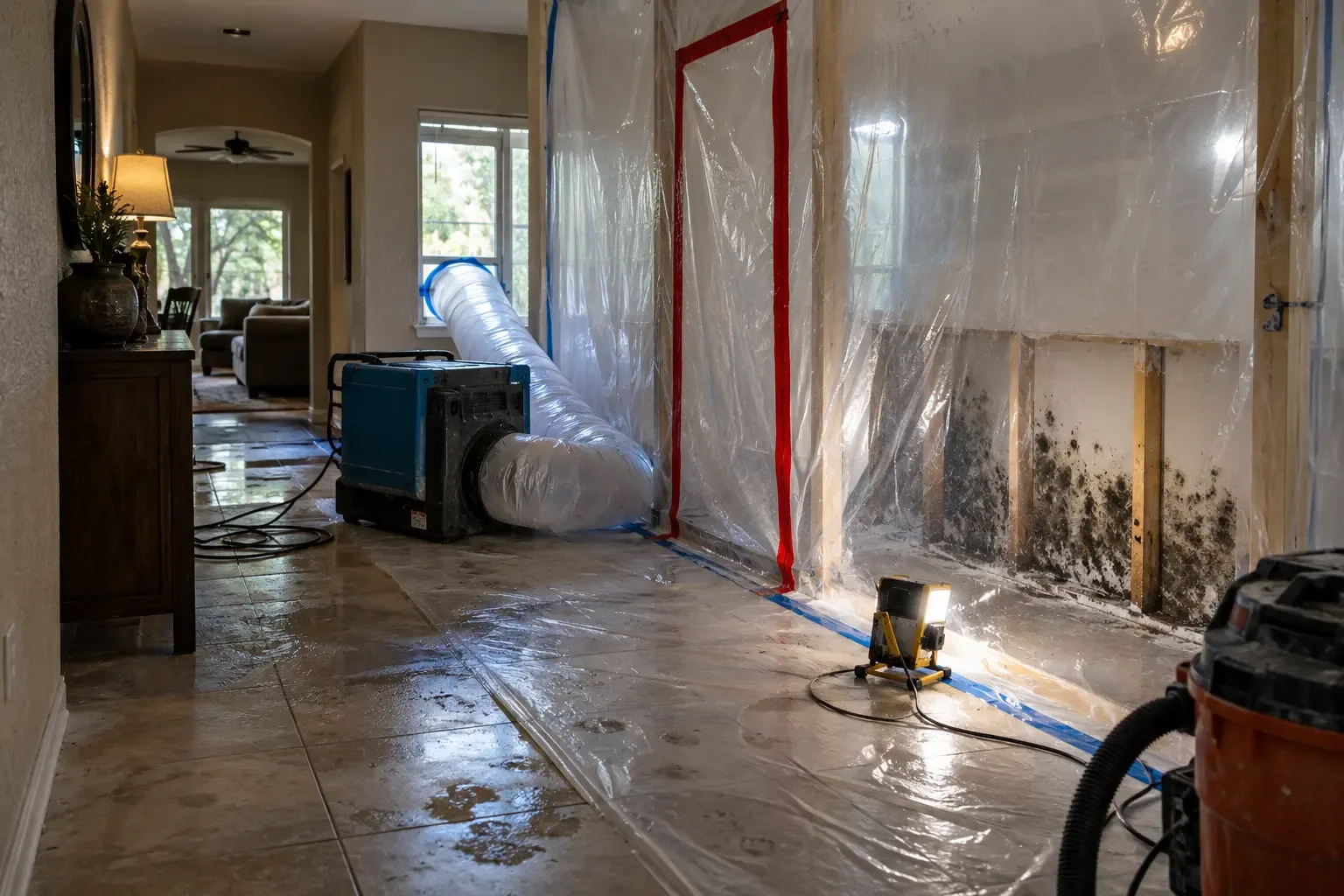
We contain and treat mold before any wall goes back up.
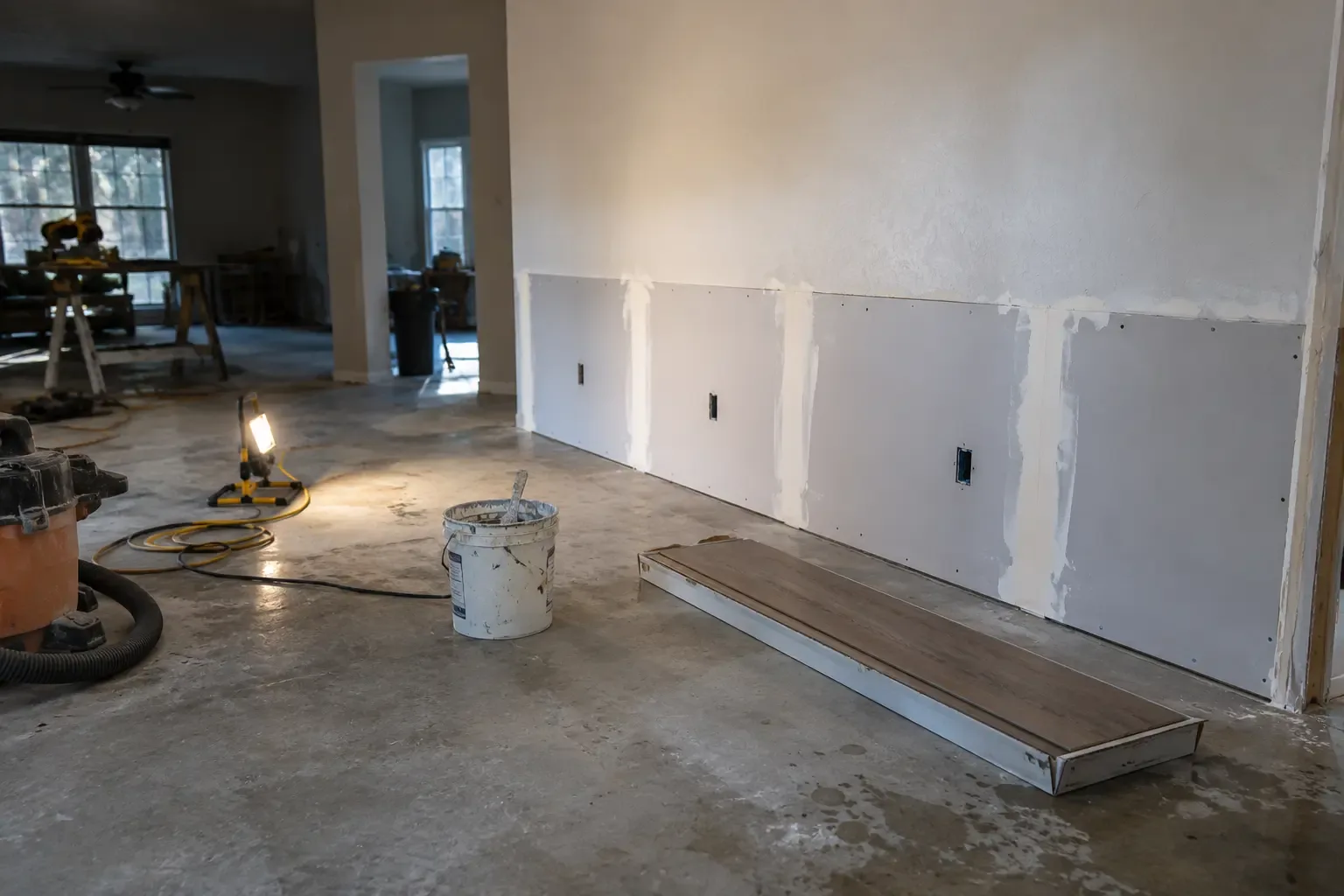
We rebuild back to pre-loss condition.
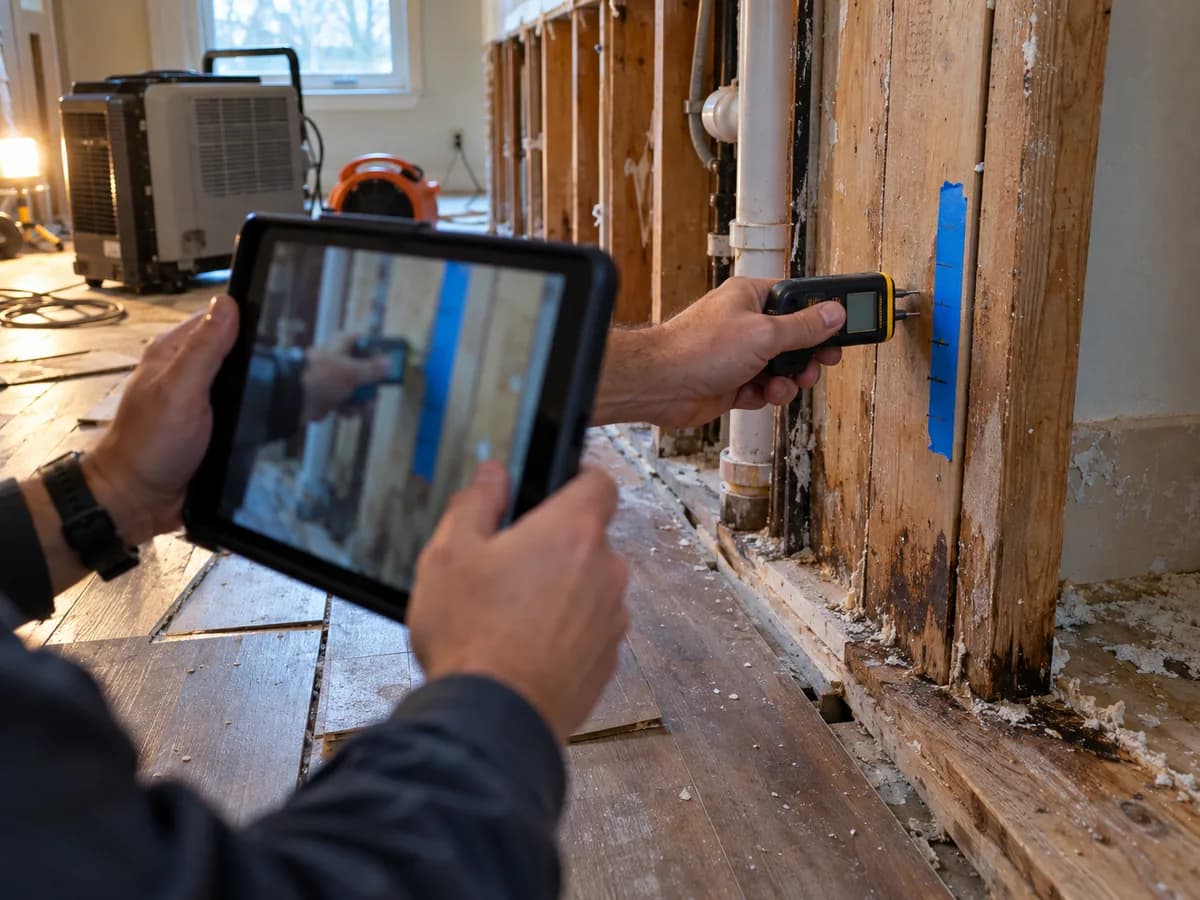
We log moisture readings and scope the loss the way insurers expect.
Who we are
Built on local knowledge and honest documentation
We put the things most companies keep vague in writing: real price ranges for this market, the standards we work to, and a moisture log your adjuster can read.
- Locally based in San Marcos, built around real Flash Flood Alley risk
- We answer 24/7, a real local person on the line
- Documented dry-to-standard process, not eyeball-dry
- We document the loss the way insurers expect and coordinate with your carrier where possible
- Extraction, drying, mold, and rebuild handled by one team
24/7
A real local person answers, day or night
24-48 hrs
The critical window to limit secondary damage
~25 mi
Served from our San Marcos hub across Hays, Comal & Caldwell
S500
The ANSI/IICRC drying standard our process follows
Water damage does not wait. Neither do we.
Call now and a real local person walks you through the next few minutes while a crew heads your way.
FAQ
Frequently asked questions
Straight answers to what San Marcos homeowners ask most, on cost, insurance, mold timelines, and what to do first.
24/7
A real local team across Hays, Comal & Caldwell counties. Every job dried to a documented standard.
Have a question on your mind?
Get a quoteLook for fast response, work that follows recognized standards like ANSI/IICRC S500, drying verified by moisture readings rather than appearance, clear documentation for your insurer, and honest pricing. Genuine local knowledge matters too. A company that understands San Marcos flood risk will handle your job better.
Dry-to-standard means the structure is dried to a documented moisture target and verified with daily meter readings, not judged by how it looks or feels. It's how you know framing, subfloor, and drywall are actually dry, which is what prevents hidden mold from forming behind the wall weeks later.
Talk to a local San Marcos team
Tell us straight what is happening and we will tell you the next step. We pick up, then we are on the way.
A real local person answers, 24/7. Tell us what is happening and we are on the way.