San Marcos water damage guide
Does Homeowners Insurance Cover Water Damage in Texas?
Whether homeowners insurance covers water damage in Texas comes down to one question your adjuster will ask first. Where did the water come from, and how fast. A pipe that splits open at 3 a.m. in a Blanco Gardens kitchen is treated very differently from a drip that quietly rotted the cabinet under your sink for eight months. Same wet floor. Two different answers. And if the water rose up from the San Marcos River and came in under the door, you're in a third bucket entirely, one your homeowners policy almost certainly won't touch.
Published · Updated
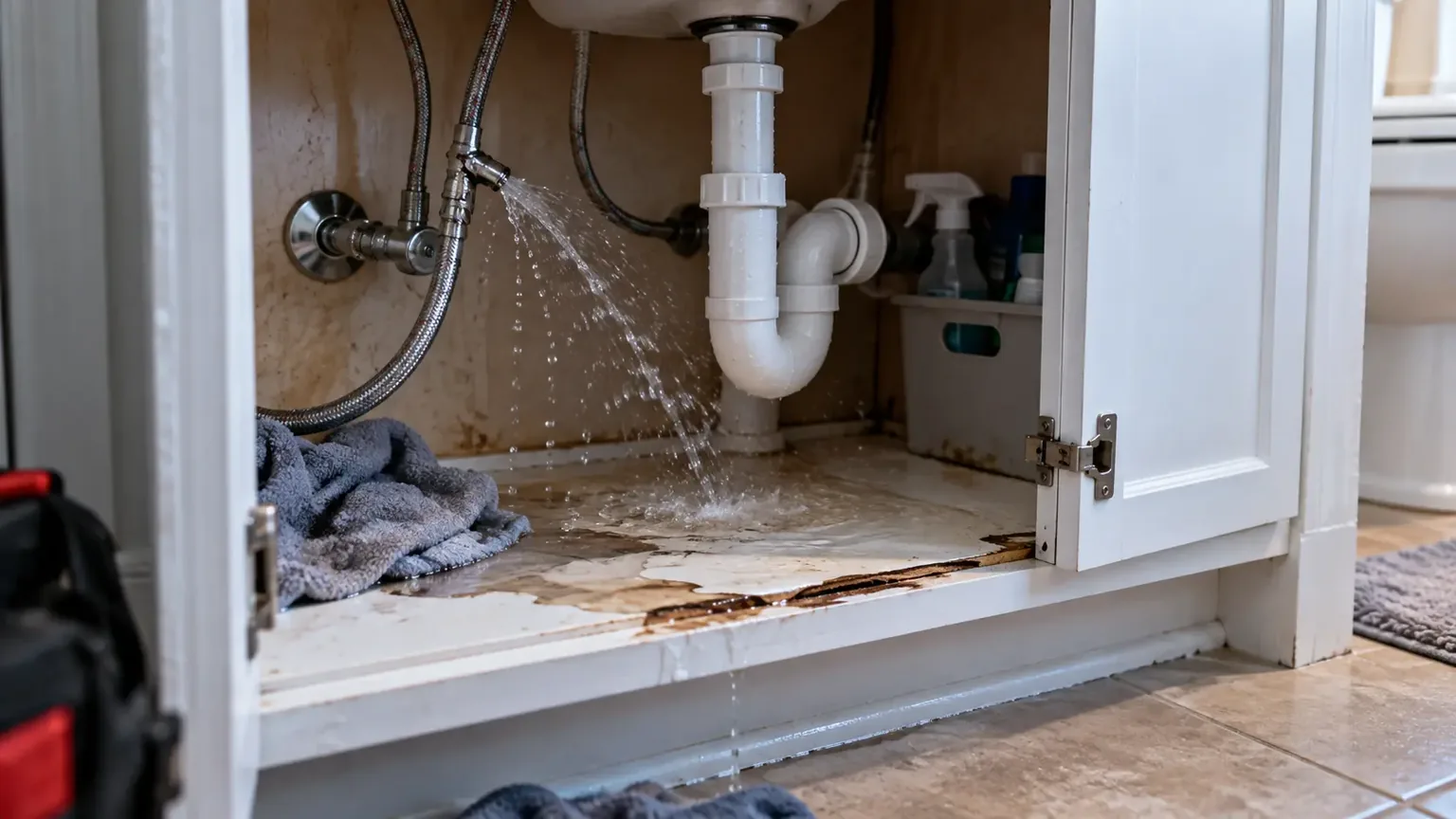
That distinction trips up a lot of people here, especially anyone in the river corridor. Let's untangle it.
Does Homeowners Insurance Cover Water Damage in Texas?
In Texas, a standard homeowners policy generally covers sudden, accidental water damage from inside the home, such as a burst supply line, a ruptured water heater, or an overflowing appliance. It does not cover gradual leaks or flooding from outside; rising river or flash-flood water needs separate flood insurance through the NFIP. The source of the water decides coverage.
That's the short version. The longer version is where the money lives, because two homes can have identical damage and only one gets paid.
Sudden and Accidental vs Gradual, The Rule That Decides Coverage
Read your policy and you will see the phrase over and over. Sudden and accidental. Those three words run the whole show. A supply line that bursts today is sudden. A drip that seeped behind a wall for eight months is gradual, and gradual is where carriers deny.
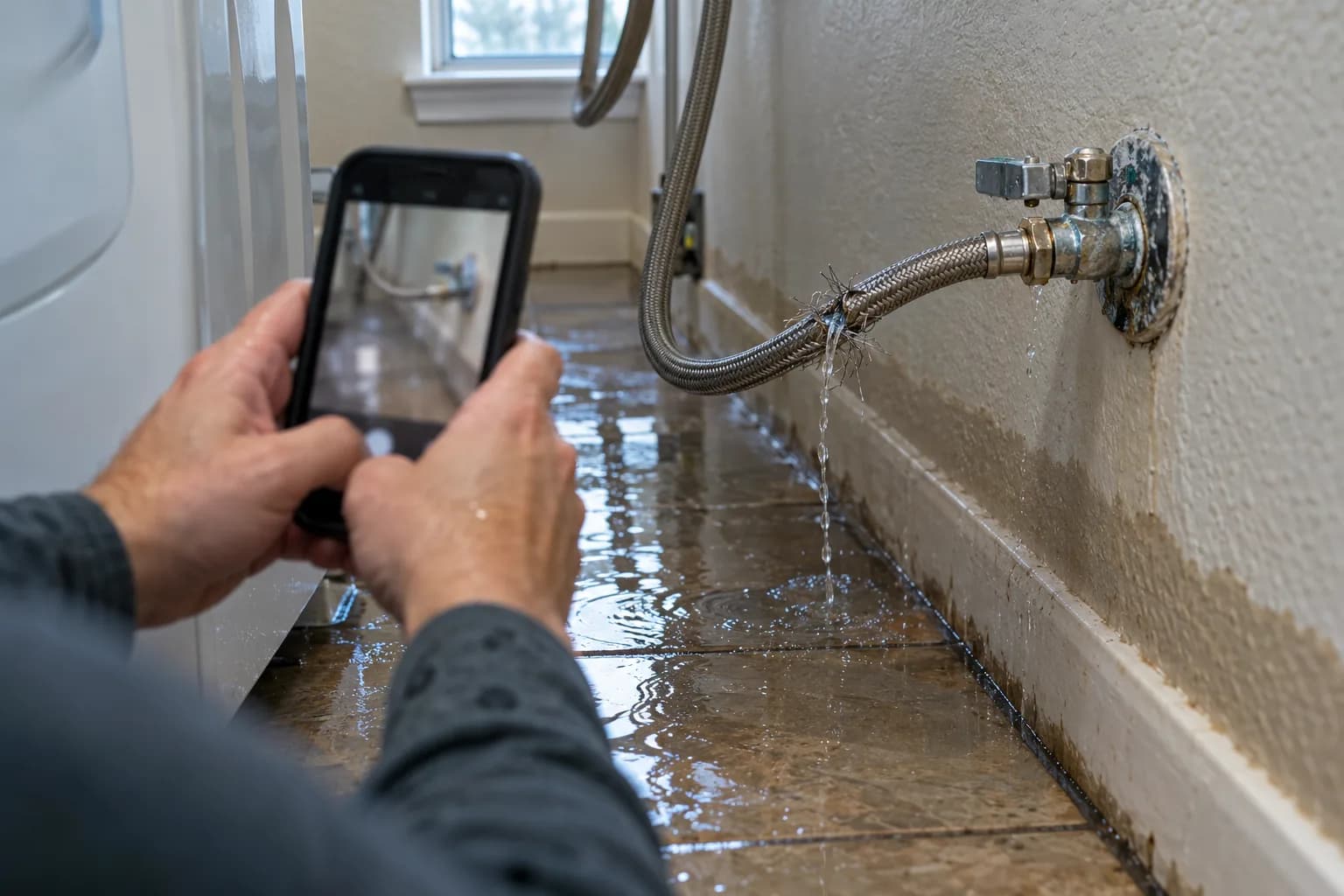
A supply line behind the washing machine that lets go overnight is the textbook covered event. Nobody saw it coming, it happened fast, and the resulting damage to the drywall, baseboards, and flooring is the kind of thing your dwelling and personal-property coverage is built for. The classic local example is a hard freeze. When the grid strained during Winter Storm Uri and pipes burst across Hays County as the thaw hit, that water damage was, for most homeowners, the textbook "sudden and accidental" loss insurers pay on, minus the deductible.
Now take the slow drip. A coupling under the sink weeps a few drops a day for the better part of a year. By the time you notice the swollen particleboard and the musty smell, the insurer's position is that you had a maintenance problem you should have caught. Gradual. Excluded. The damage looks the same to you, but the timeline tells the carrier a different story, which is exactly why the date and cause of the failure matter so much when you report it.
Here's the part people miss. The same water can be covered or denied depending on cause and timeline alone. A burst overnight reads as an accident. A months-long unnoticed leak reads as neglect. The proof that the event was sudden, photos with timestamps, the failed part, when you discovered it, is what keeps a legitimate claim from getting reclassified as a gradual one.
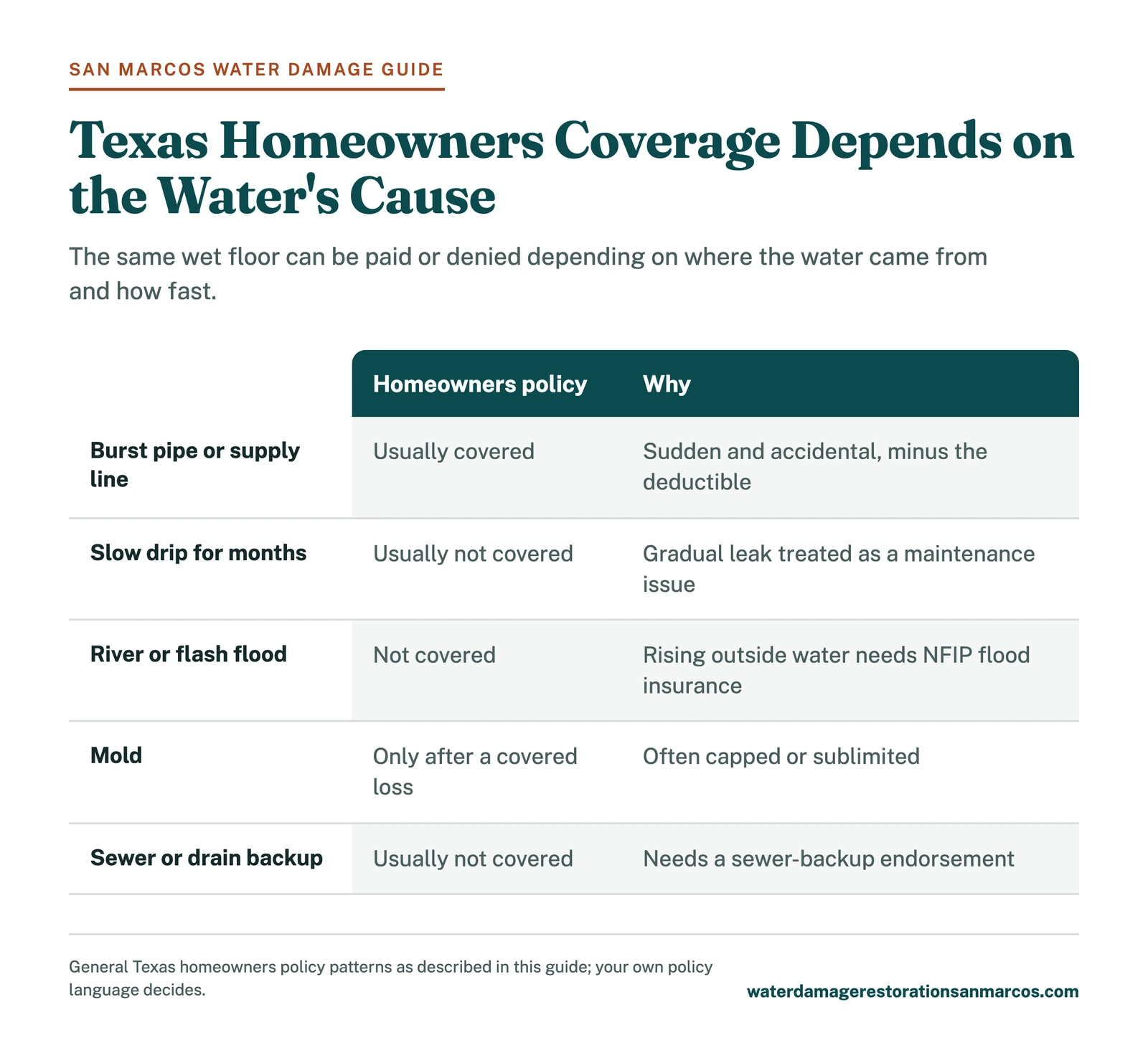
Text version of this infographic
Texas Homeowners Coverage Depends on the Water's Cause. The same wet floor can be paid or denied depending on where the water came from and how fast.
| Item | Homeowners policy | Why |
|---|---|---|
| Burst pipe or supply line | Usually covered | Sudden and accidental, minus the deductible |
| Slow drip for months | Usually not covered | Gradual leak treated as a maintenance issue |
| River or flash flood | Not covered | Rising outside water needs NFIP flood insurance |
| Mold | Only after a covered loss | Often capped or sublimited |
| Sewer or drain backup | Usually not covered | Needs a sewer-backup endorsement |
General Texas homeowners policy patterns as described in this guide; your own policy language decides.
What Water Damage Is Covered (and What Isn't)
Most Texas homeowners policies sort water losses roughly like this. Your own policy language wins any tie, so read yours, but the pattern holds across the major carriers. The short version is sudden internal discharge is covered, gradual seepage and maintenance neglect are not, and rising outside water needs separate flood coverage.
| Usually Covered (sudden & accidental) | Usually NOT Covered |
|---|---|
| Burst supply line / pipe | Outside flooding (river, flash flood) |
| Water heater rupture | Gradual / long-term leaks |
| Overflowing appliance (sudden) | Lack of maintenance / wear |
| Storm-driven rain through a sudden roof breach | Sewer backup (unless endorsement added) |
| Accidental overflow | Damage from unrepaired known issue |
Notice the right-hand column. None of those are accidents in the eyes of an adjuster. Flooding comes from outside. Gradual leaks come from time. Wear and tear comes from deferred upkeep. A roof you knew was failing comes from a "known issue." The covered side is short, fast, and unexpected. The excluded side is slow, external, or foreseeable.
What kind of water damage is not covered by insurance?
Water damage from outside flooding, gradual or long-term leaks, and lack of maintenance is generally not covered by a Texas homeowners policy. Rising river or flash-flood water needs separate flood insurance, and slow leaks are usually treated as a maintenance issue. Sudden, accidental indoor damage is what's typically covered.
Why Flooding Is Different, The NFIP Gap
This is the one that catches homeowners in San Marcos, TX flat-footed, because flood and water damage sound like the same thing in plain English right up until a claim gets filed. In insurance they are two different worlds, and only separate NFIP coverage answers for rising water.
Your homeowners policy specifically excludes flooding, which the industry defines as rising or surface water from outside the structure. River water. Flash-flood runoff sheeting down a street and into the garage. Storm water that overwhelms a creek. When the Blanco River crested near 40 feet over Memorial Day weekend in 2015 and took out more than two thousand Hays County homes, the water that ruined those houses was the excluded kind. A homeowners policy did not cover it. Separate flood insurance through the National Flood Insurance Program did.
The gap is real and it's expensive. To cover rising water, you need a flood policy administered by FEMA through the NFIP, and the standard dwelling limit sits at $250,000. If you live anywhere near the San Marcos or Blanco corridors, this is the coverage worth checking on a calm, dry afternoon, not the night the river is rising. We go deeper on the two-policy split in our breakdown of flood insurance vs homeowners insurance in Texas, and when rising water has already hit, our flood damage cleanup along the San Marcos rivers is built around exactly this scenario.
Questions about a claim? Talk to us.
Does It Cover Mold and Sewage Backup?
Two follow-ups come up constantly, and the answers surprise people. Mold is usually covered only when it results from a covered sudden loss, not from long-term humidity or neglect. Sewer and drain backup is typically excluded unless you have added a specific backup endorsement to the policy.
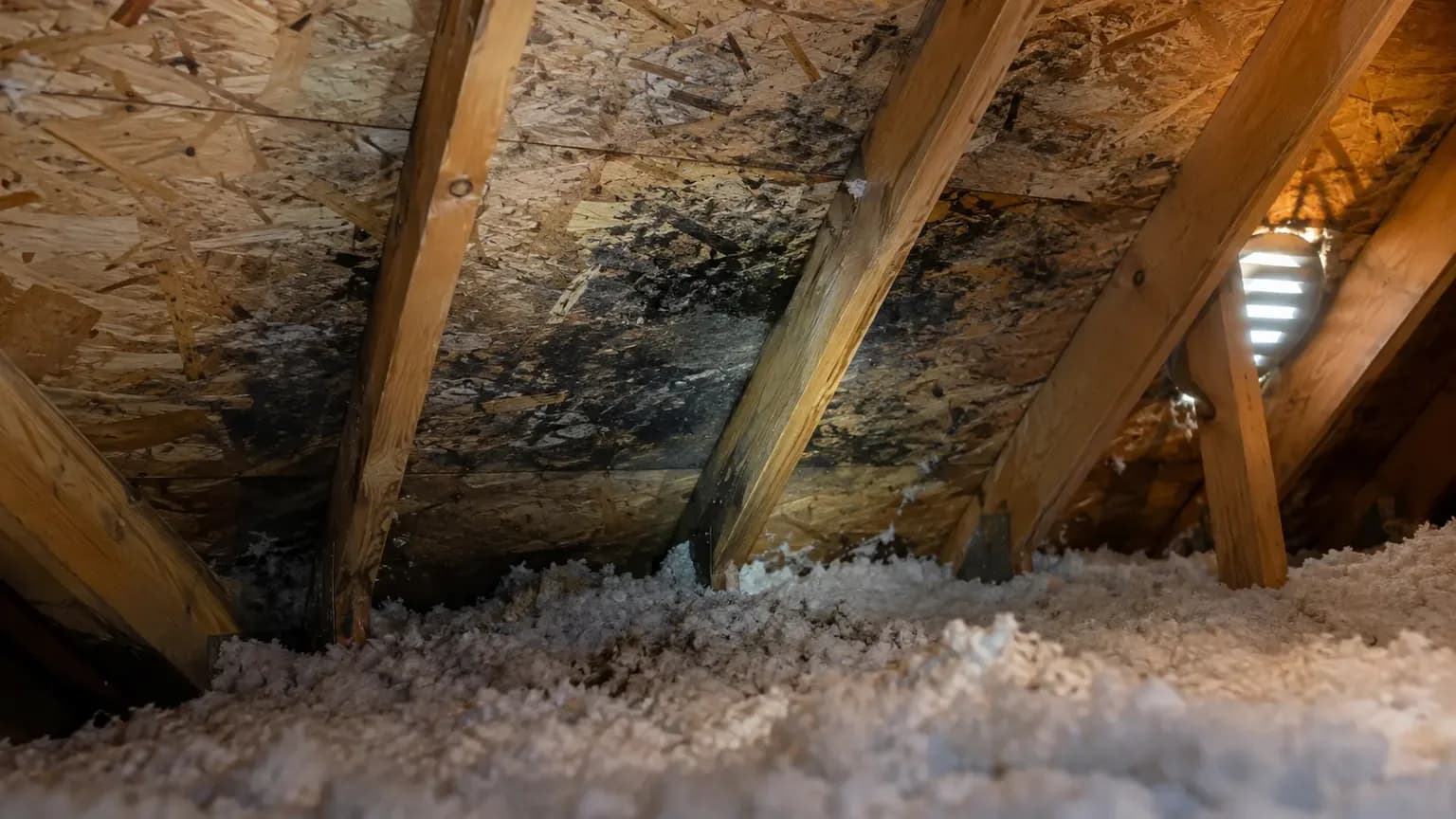
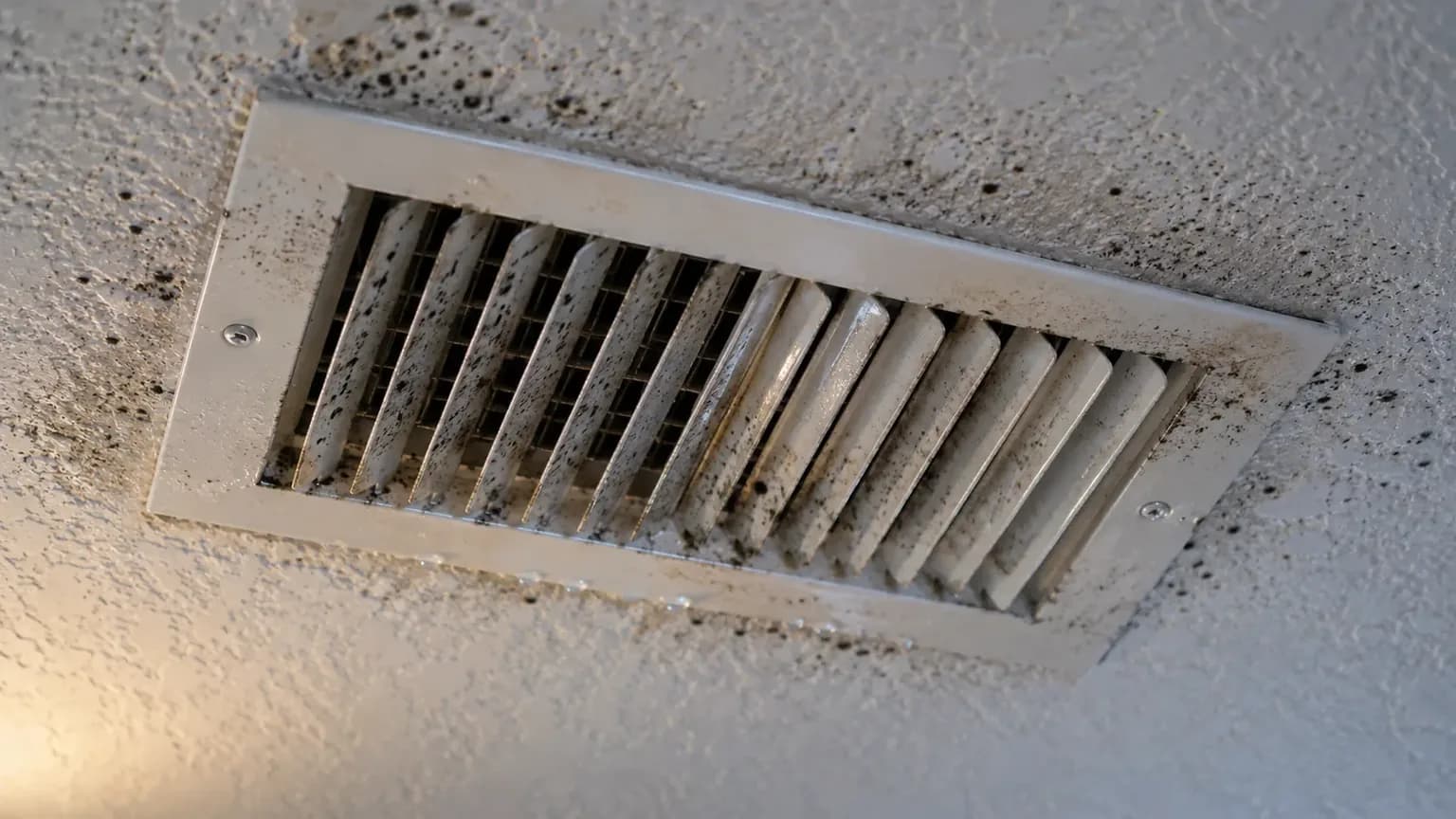
Mold is usually treated as a consequence, not a covered peril on its own. That trips people up. If mold grows out of a covered, sudden water event and you acted reasonably, a Texas policy may pay toward remediation, but the coverage is often capped or sublimited to a few thousand dollars. Mold that traces back to a gradual leak or moisture you left sitting? Generally excluded. In our humid climate, spores can take hold within roughly 24 to 48 hours, so the single biggest thing you control is drying speed. The faster the structure dries, the less likely you create a mold loss the policy won't fully pay. If it's already past that, mold remediation in San Marcos is the next call.
Sewage backup is its own trap. A standard homeowners policy usually excludes any water that backs up through a sewer or floor drain unless you have specifically added a separate sewer-backup endorsement to the contract. Plenty of Texas homeowners add it because backups are common and the cleanup isn't cheap. Check your declarations page. Without that endorsement, Category 3 black-water work tends to land entirely on you.
How Documentation Protects Your Claim
Coverage is a paperwork fight as much as a plumbing one. Proof wins the day. The homeowner with dated photos, daily moisture readings, and a written scope wins arguments the homeowner with a memory loses, because an adjuster can only approve what the record supports.
The goal is to establish, beyond debate, that the event was sudden. Timestamped photos and video of the failure and the standing water, the actual failed part if you can keep it, and moisture readings that show how saturated the materials were all build that case. When you first noticed it and when it happened. That record is what stops a carrier from quietly reclassifying a burst pipe as a gradual leak. Paper beats memory.
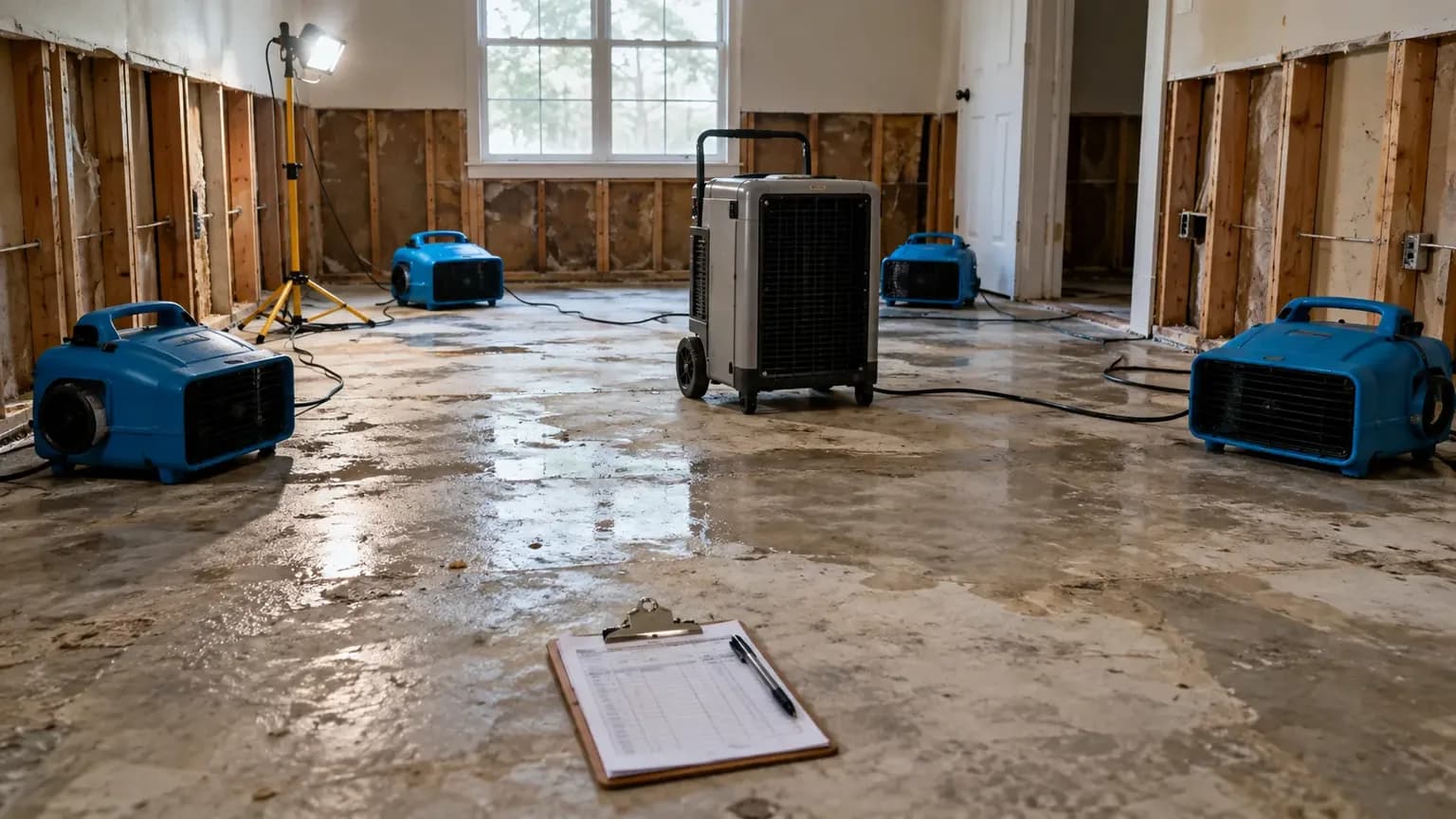
This is where having restoration on site early helps, and it's worth being plain about what we do and don't do. We don't fight your insurer or promise approvals. What we do is document the loss to the standard adjusters expect, which means moisture mapping, a written scope, and dated photos that build a clean paper trail. Then you confirm everything against your own policy and carrier, because every contract has its own quirks and yours is the one that pays. Read your own policy. For the full walkthrough of what to capture and when, see how to file a Texas water damage insurance claim.
Written by the Water Damage Restoration San Marcos team
Local water-damage restoration in San Marcos, TX and Hays County. Our guidance follows the ANSI/IICRC S500 and S520 reference standards the industry plans around. Questions about your situation? Call (512) 778-8417, we answer 24/7.