San Marcos water damage guide
How Much Does Water Damage Restoration Cost in San Marcos, TX?
Water damage restoration cost in San Marcos usually lands somewhere between about $3 and $7.50 per square foot for mitigation and drying, and the water category drives that number more than the room size does. Around here, the first thing most people ask after the water stops is whether they're about to get fleeced. That fear is earned. The most common complaint in this market is the gap between what gets billed and what the insurer actually approves. So this guide hands you the real ranges, explains why the price moves, and shows you how to read an estimate before you sign anything.
Published · Updated
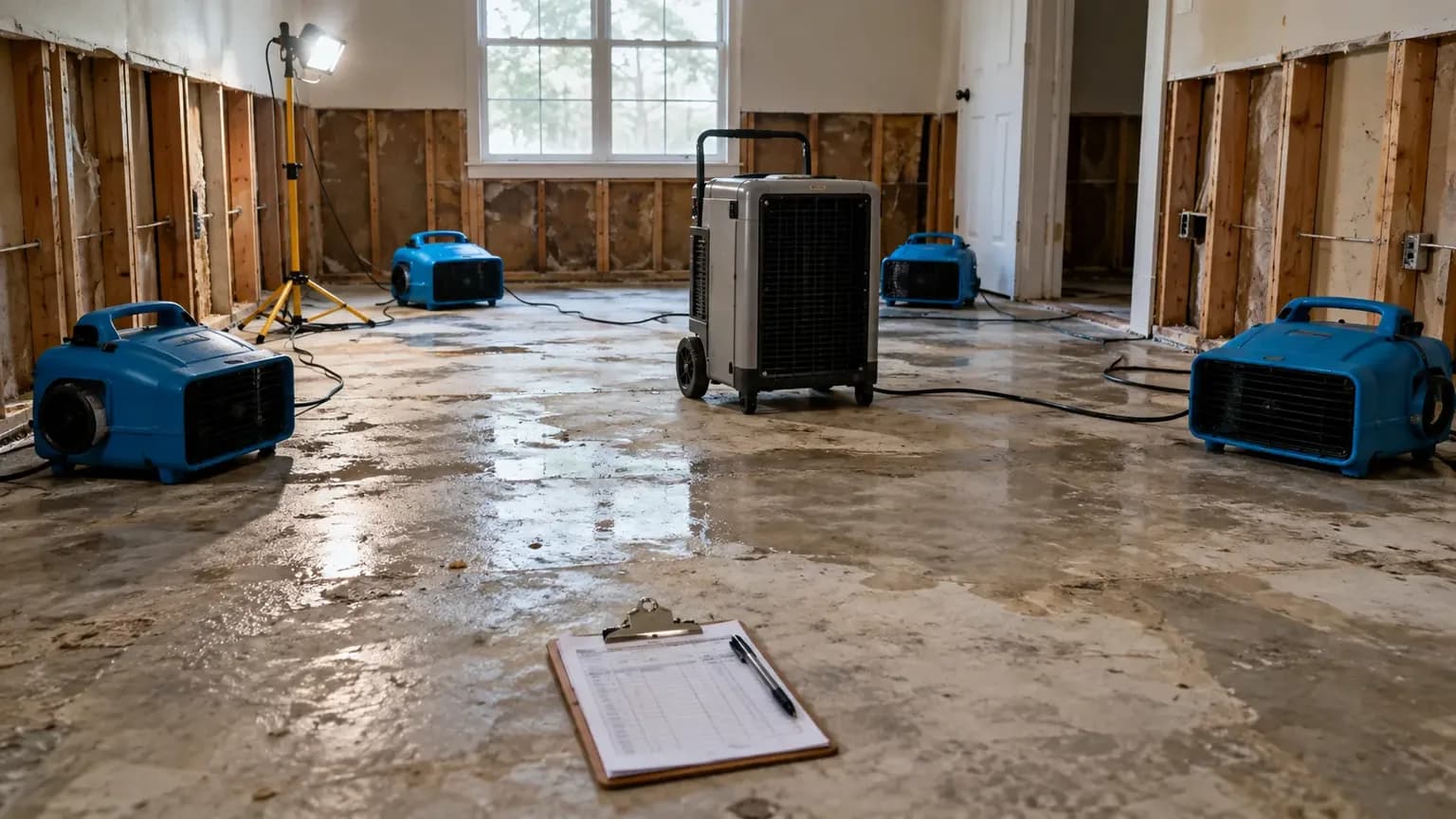
How Much Does Water Damage Restoration Cost in San Marcos, TX?
Water damage restoration in the San Marcos area generally runs about $3 to $7.50 per square foot for mitigation and drying, depending on the water category. Clean-water (Category 1) jobs sit at the low end; gray water runs mid-range; Category 3 black water is the most expensive. Reconstruction is priced separately.
| Water Category | What It Is | Mitigation $/sq ft (market range) |
|---|---|---|
| Category 1 | Clean water (supply line, rain) | ~$3.00–$4.00 |
| Category 2 | Gray water (washing machine, dishwasher) | ~$4.00–$6.50 |
| Category 3 | Black water (sewage, flood/river) | ~$7.00–$7.50+ |
Those figures are market data for Central Texas, not a price list from one company. Treat them as a sanity check. Mold is priced on a different basis, by affected square footage rather than water category, so see what mold remediation costs if that is part of your loss. If a quote sits far outside this band with no explanation, that is your cue to ask why, and to ask in writing.
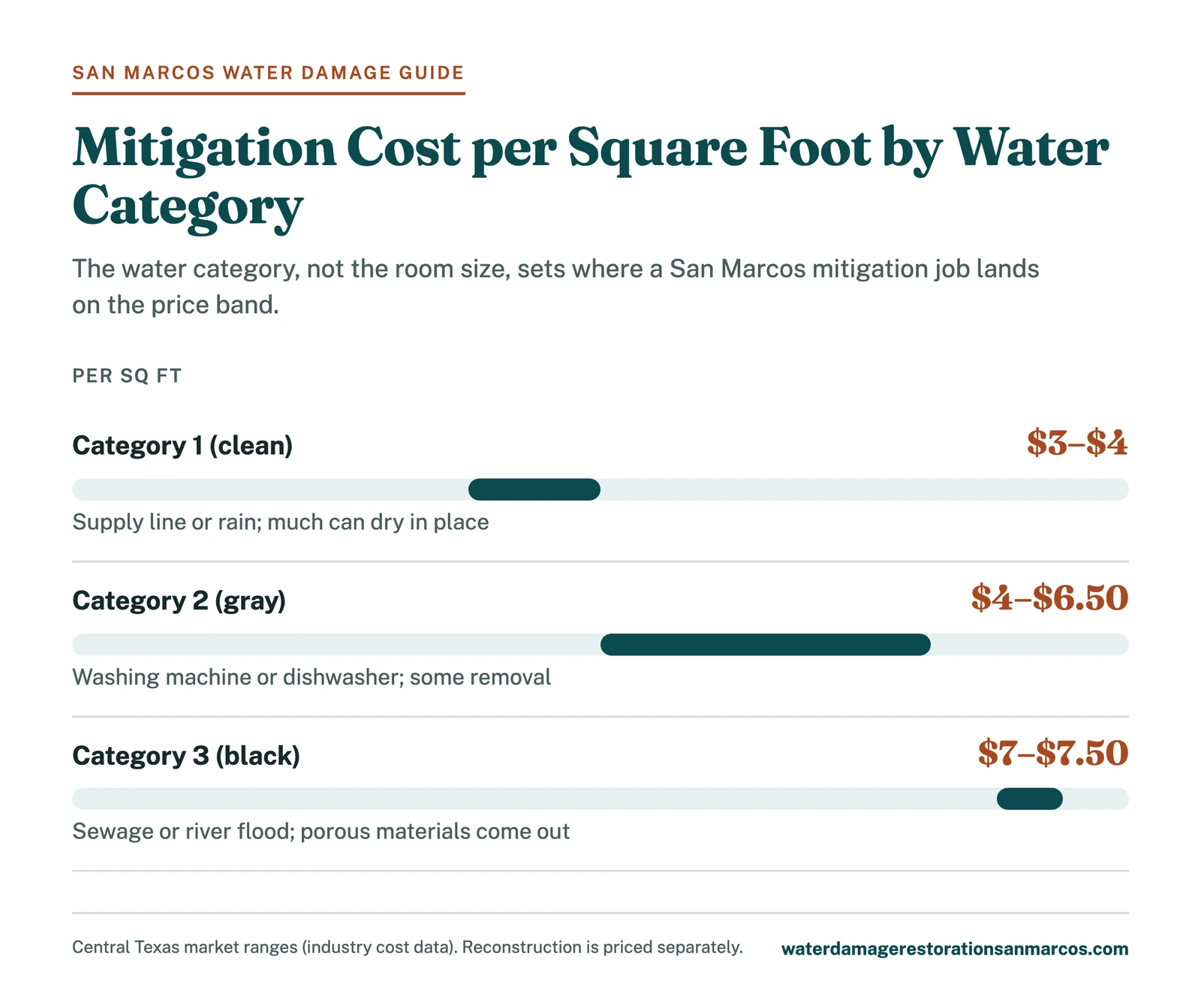
Text version of this infographic
Mitigation Cost per Square Foot by Water Category. The water category, not the room size, sets where a San Marcos mitigation job lands on the price band.
- Category 1 (clean): $3 to $4 per sq ft. Supply line or rain; much can dry in place
- Category 2 (gray): $4 to $6.50 per sq ft. Washing machine or dishwasher; some removal
- Category 3 (black): $7 to $7.50 per sq ft. Sewage or river flood; porous materials come out
Central Texas market ranges (industry cost data). Reconstruction is priced separately.
What Drives the Price, Water Category 1, 2, and 3
The biggest cost swing is not how many square feet got wet. It is what was in the water. Category 1 clean water lets most materials dry in place. Category 2 gray water means selective removal. Category 3 black water means porous materials come out and get disposed of, which multiplies labor and materials.
Here is the part nobody tells you, which means the category, not the footprint, sets the ceiling.
A 200 square foot sewage backup can cost more than a 600 square foot clean-water dish-line leak, and that surprises almost everyone. Sounds backward. The reason is straightforward once you see it laid out. Category 1 is clean water from a supply line or rain intrusion, and a lot of it can be dried in place with emergency water extraction in San Marcos followed by air movers. Category 2, gray water from a washing machine or dishwasher, carries detergents and food residue, so some porous materials come out. Category 3 black water from a sewage line or a flooded river is contaminated. That means crews remove and dispose of soaked carpet, pad, and the bottom courses of drywall, then treat what remains with antimicrobial.
That removal and disposal is where Category 3 money goes. Crews suit up. Add the protective equipment the crew has to wear and the regulated disposal of contaminated debris, and a small black-water job can outprice a large clean-water one. The categories themselves come from ANSI/IICRC S500, the industry standard that defines how restorers classify water and build a scope around it. It is worth knowing that standard exists, because a company that can name your category and explain it is a company that scoped the job rather than guessed at it. That is the tell.
There is a local wrinkle worth knowing. A lot of San Marcos, TX, Kyle, and Buda homes are slab-on-grade new builds. Water under that kind of construction can wick into the subfloor and the bottom plates, and pulling it back to a documented dry standard takes longer than a quick surface dry. More drying days means more equipment days, which we will get to.
Mitigation Cost vs Reconstruction Cost (Two Different Bills)
People hear restoration and picture one number. It is almost always two. Mitigation is the emergency half. In practice that means extraction, drying equipment, and moisture monitoring, billed by equipment day. Reconstruction is the rebuild half. The short version is drywall, flooring, paint, and trim, billed by material and labor. Insurers often approve them as separate scopes.
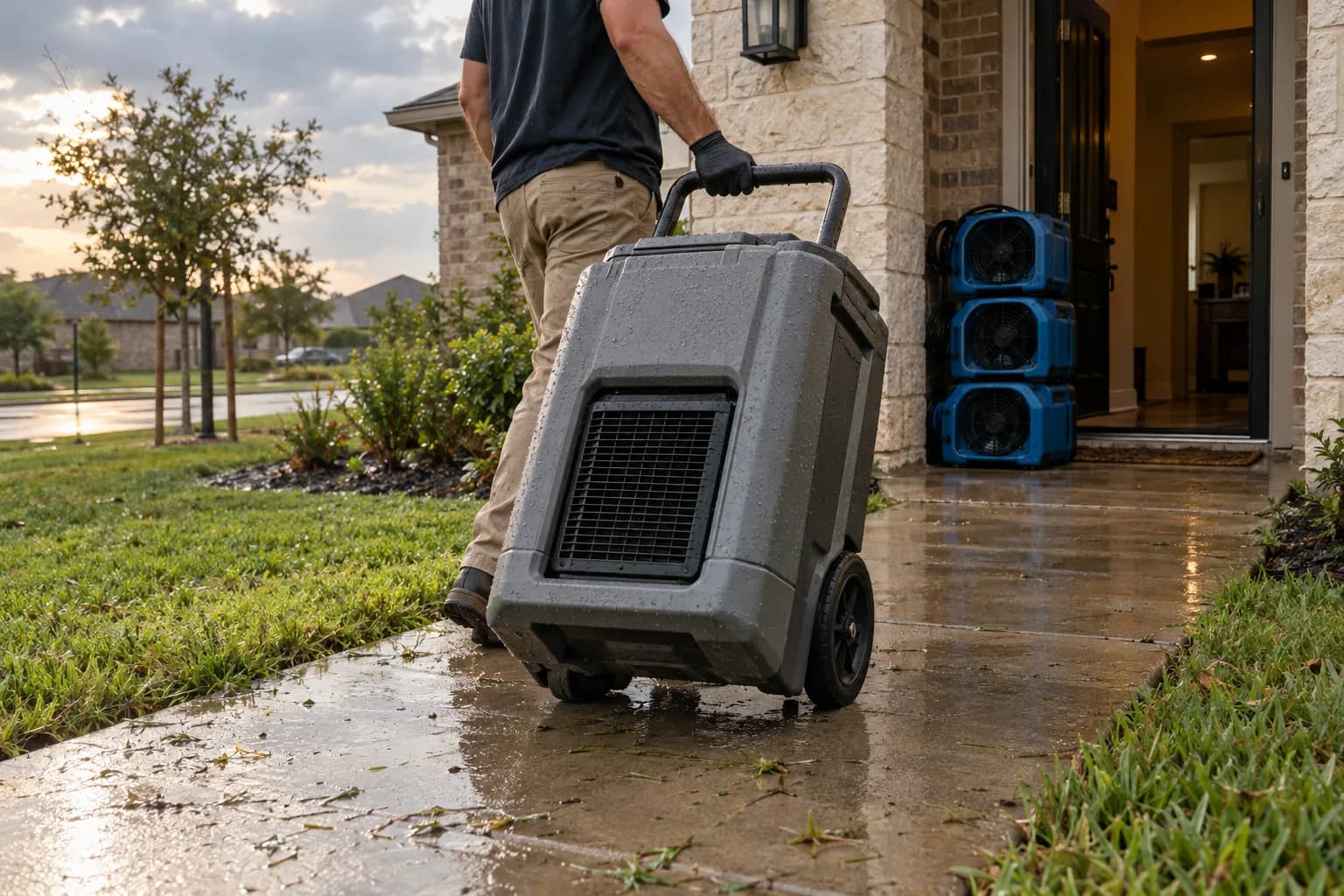
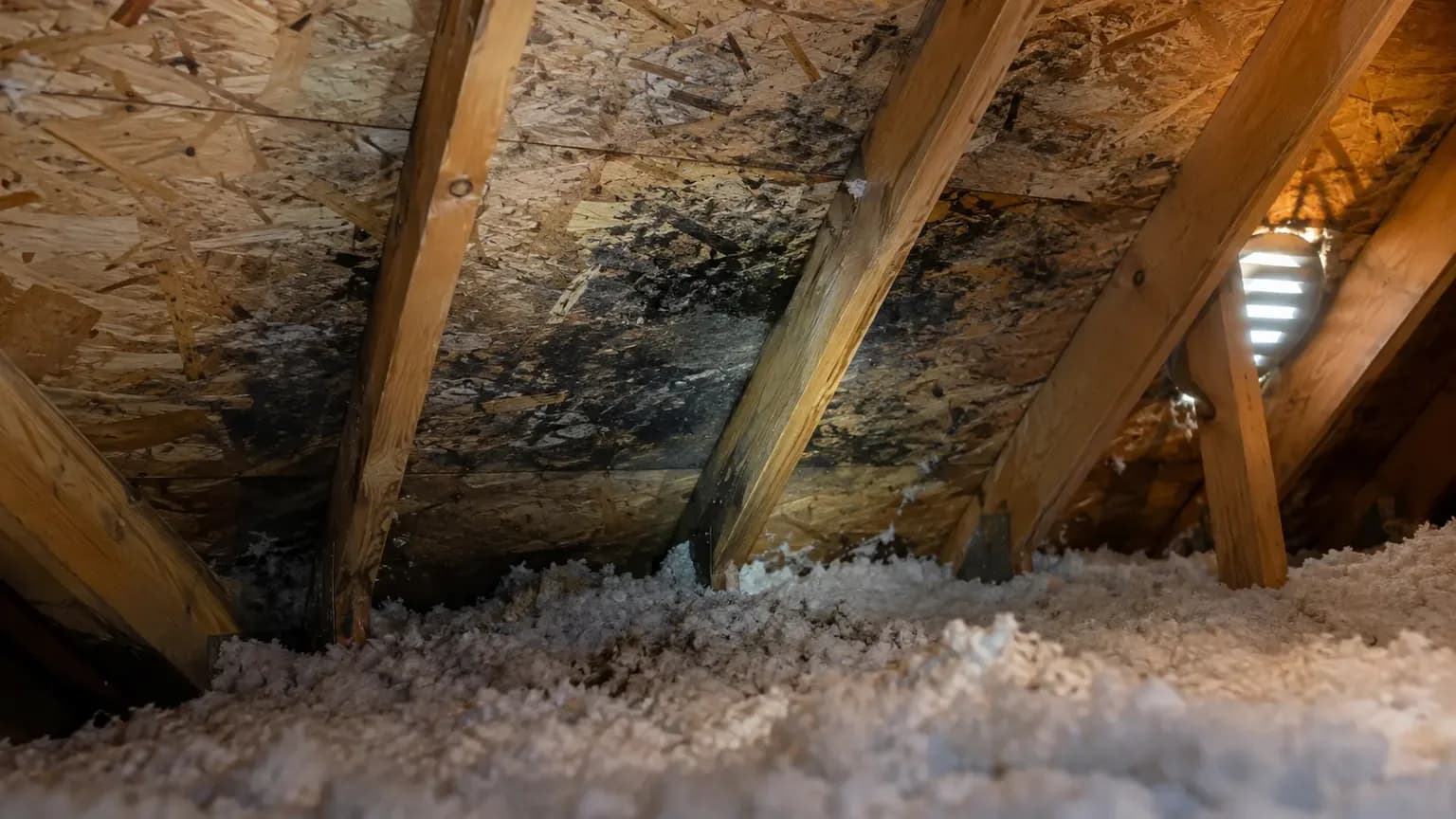
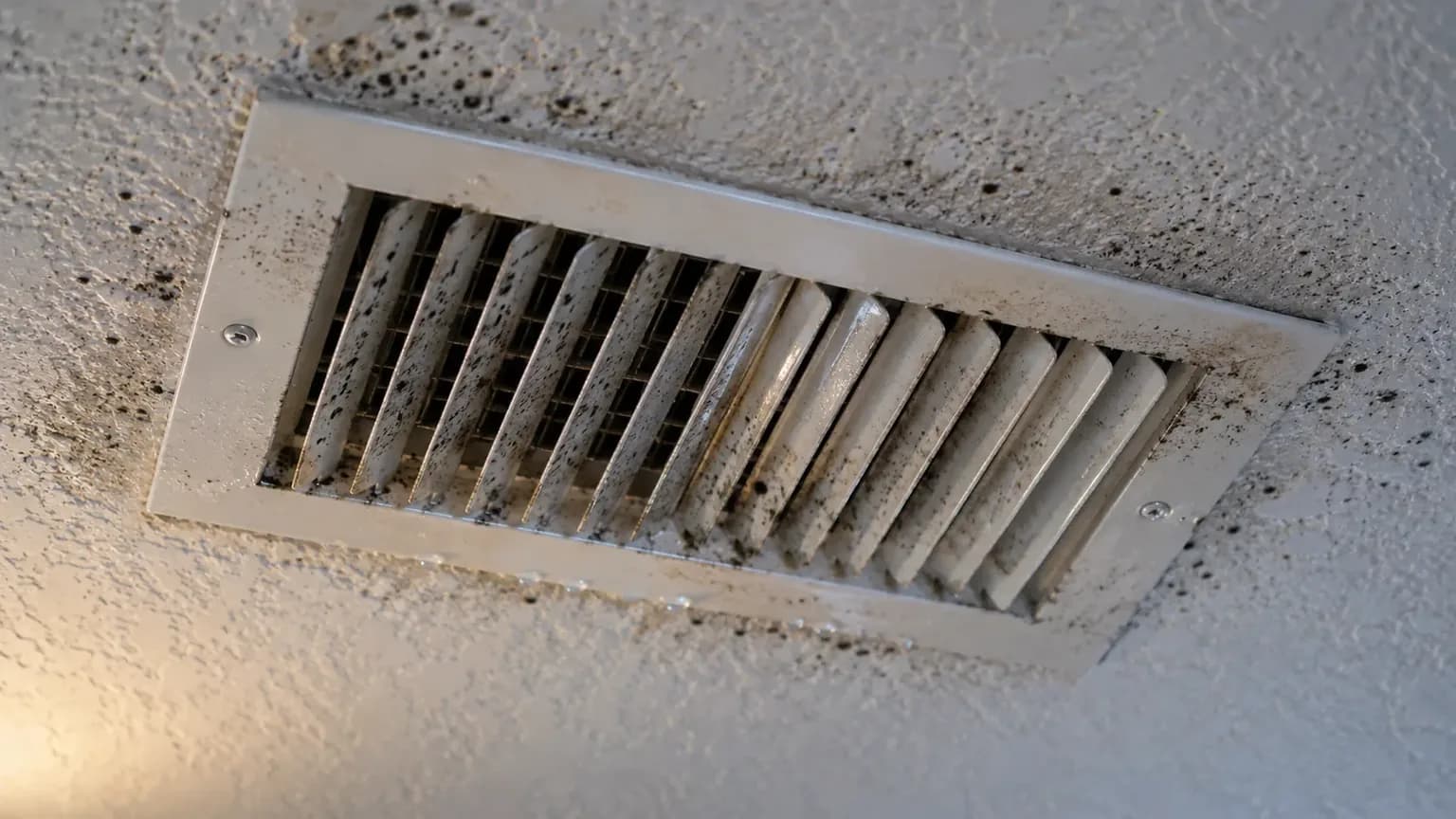
Mitigation is the emergency phase, which means extraction, structural drying and dehumidification, antimicrobial where the category calls for it, and the moisture monitoring that proves the building dried. This is the per-square-foot work in the table above. It happens first, fast, while the clock on secondary damage is running. Speed counts. The first 24 to 48 hours matter most here, because wet materials that sit start growing problems.
Reconstruction is the rebuild. That means new drywall, fresh paint, replacement flooring, trim, whatever had to come out. Different work entirely. That is priced like a remodel, by material and labor, not by the wet-zone square foot. It happens after the structure reads dry, and it is a separate line on a fair estimate, often a separate invoice entirely. Why split them? Because insurance frequently handles mitigation and reconstruction as distinct parts of a claim, and because lumping them hides what you are paying for. If an estimate blends drying and rebuild into one lump sum, you cannot tell whether the drying was reasonable or whether the rebuild was padded. Keep them apart.
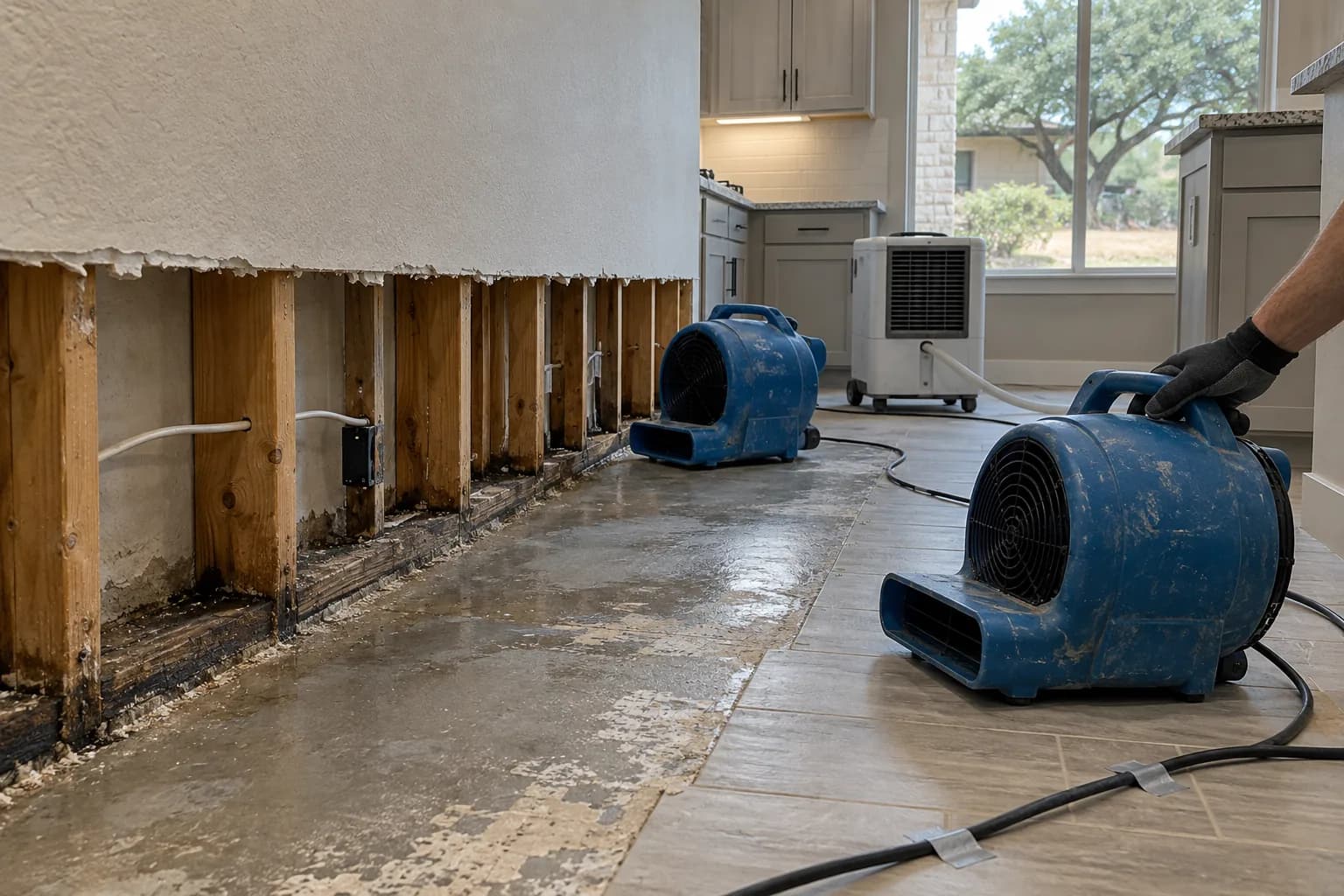
What a Typical San Marcos Job Costs (By Severity)
Real jobs do not arrive as tidy per-square-foot math, so here is the band most losses in San Marcos, TX fall into once everything is added up. A single wet room with clean water sits at the low end; a whole ground floor of Category 3 river water sits at the high end.
| Job Size | Typical Scenario | Mitigation Total (market range) |
|---|---|---|
| Small | One room, clean water, dried in place | ~$1,200–$2,500 |
| Medium | Multi-room clean or gray water, some material removal | ~$2,500–$5,000 |
| Large | Whole-floor, contaminated, or river flood loss | ~$5,000–$8,500+ |
Reconstruction sits on top of these numbers and is quoted separately once the affected materials are known. Two things commonly push a job up the band. One is contamination, as covered above. The other is hidden moisture in slab construction, which adds drying days. In a typical clean-water kitchen leak, the drying equipment runs three to four days, and that equipment time is where most of the cost actually sits, not in the extraction itself. That detail surprises people. Stretch that to six or seven days under a slab, and the number climbs accordingly. None of that is padding when the moisture readings back it up. The trouble starts when the days outrun the readings.
How Insurance and Your Deductible Affect What You Pay
For a covered loss, you usually do not pay the whole estimate. The deductible is your share. You pay your deductible, and the carrier covers the rest of the approved scope. What matters is whether the full scope gets approved, which is where documented moisture readings earn their keep.
Texas deductibles commonly run between $1,000 and $5,000, sometimes structured as a percentage of the dwelling coverage rather than a flat figure, so check your policy before you assume a number. A standard Texas homeowners policy generally covers sudden, accidental water damage that starts inside the home, a burst supply line, an overflowing appliance, a pipe that fails in a freeze. Gradual leaks you should have caught, and flooding from outside, are a different story; outside flooding needs separate flood insurance entirely. There is more nuance than fits here, so it is worth reading up on whether homeowners insurance covers water damage in Texas before you file. One more honest note before you decide. Filing a claim can nudge your Texas premium up at renewal, often in the 10 to 20 percent range, so a small loss near your deductible is sometimes cheaper to handle out of pocket. Run that math.
How to Read the Estimate and Spot Padding
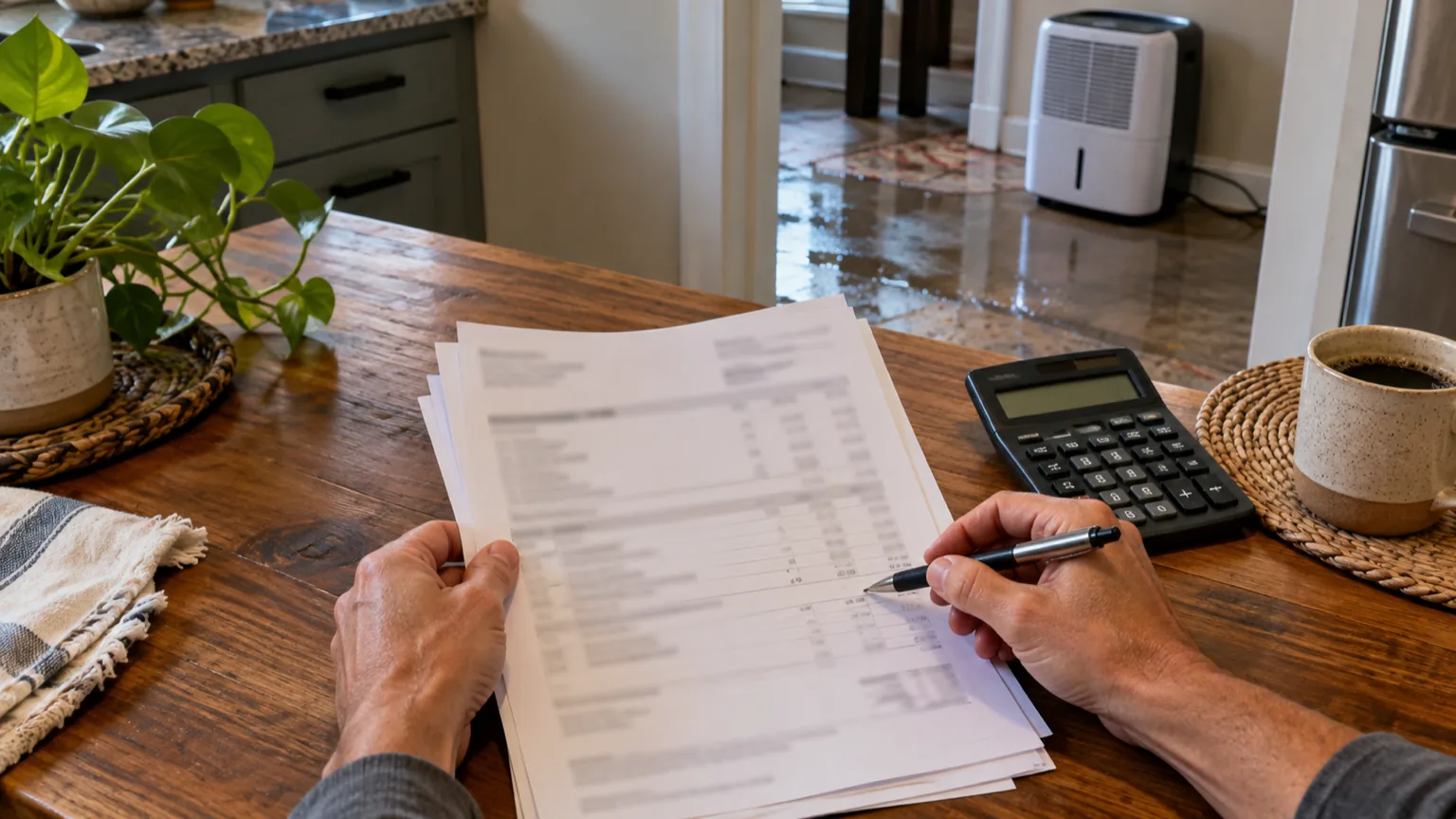
A fair estimate is itemized. A padded one hides. Look for line items naming each piece of equipment, the number of days it ran, the affected rooms by name, and the material quantities. A single lump sum for drying, with no equipment count or day count, is the classic tell.
Look for line items rather than a single lump sum, and confirm that the water category and class are stated on the page, because a scope that names neither one is a scope that was guessed at. Drying equipment should be listed by piece and by day, so you can see how the per-square-foot total was built. Antimicrobial should appear only where the category justifies it, not as a blanket add-on to a clean-water dry. Reconstruction should be its own section. If any of that is missing, ask for it in writing, and do not be shy about a second opinion. The companies worth hiring expect the scrutiny and document to it. We do, and we welcome it. For the full breakdown of the tricks to watch, read how to avoid getting overcharged, because the equipment-day game is the one that catches most people.
Written by the Water Damage Restoration San Marcos team
Local water-damage restoration in San Marcos, TX and Hays County. Our guidance follows the ANSI/IICRC S500 and S520 reference standards the industry plans around. Questions about your situation? Call (512) 778-8417, we answer 24/7.