 Start here
Emergency Water Extraction
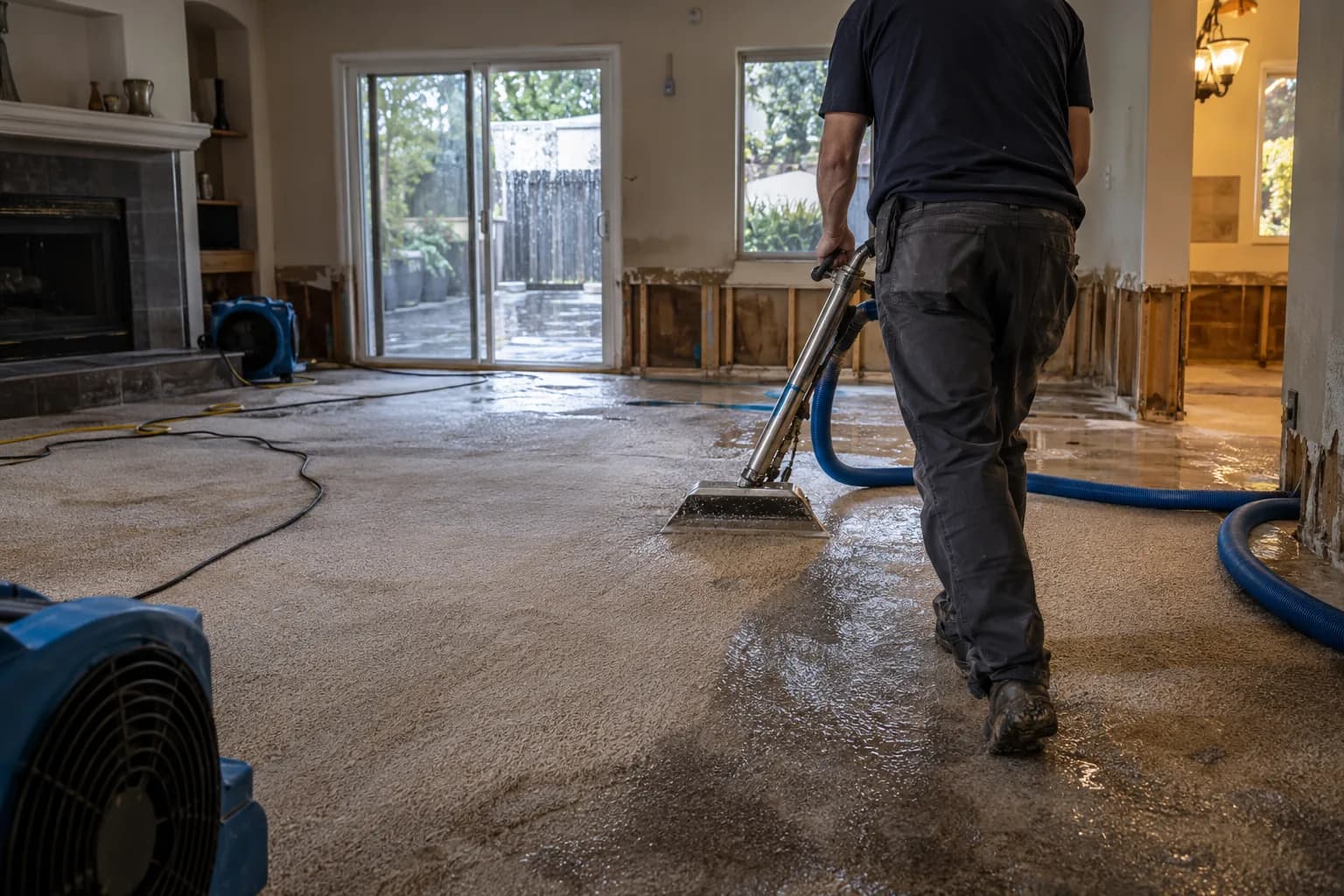
Fast removal of standing water with truck-mounted and portable units before it soaks into more material.
See emergency water extraction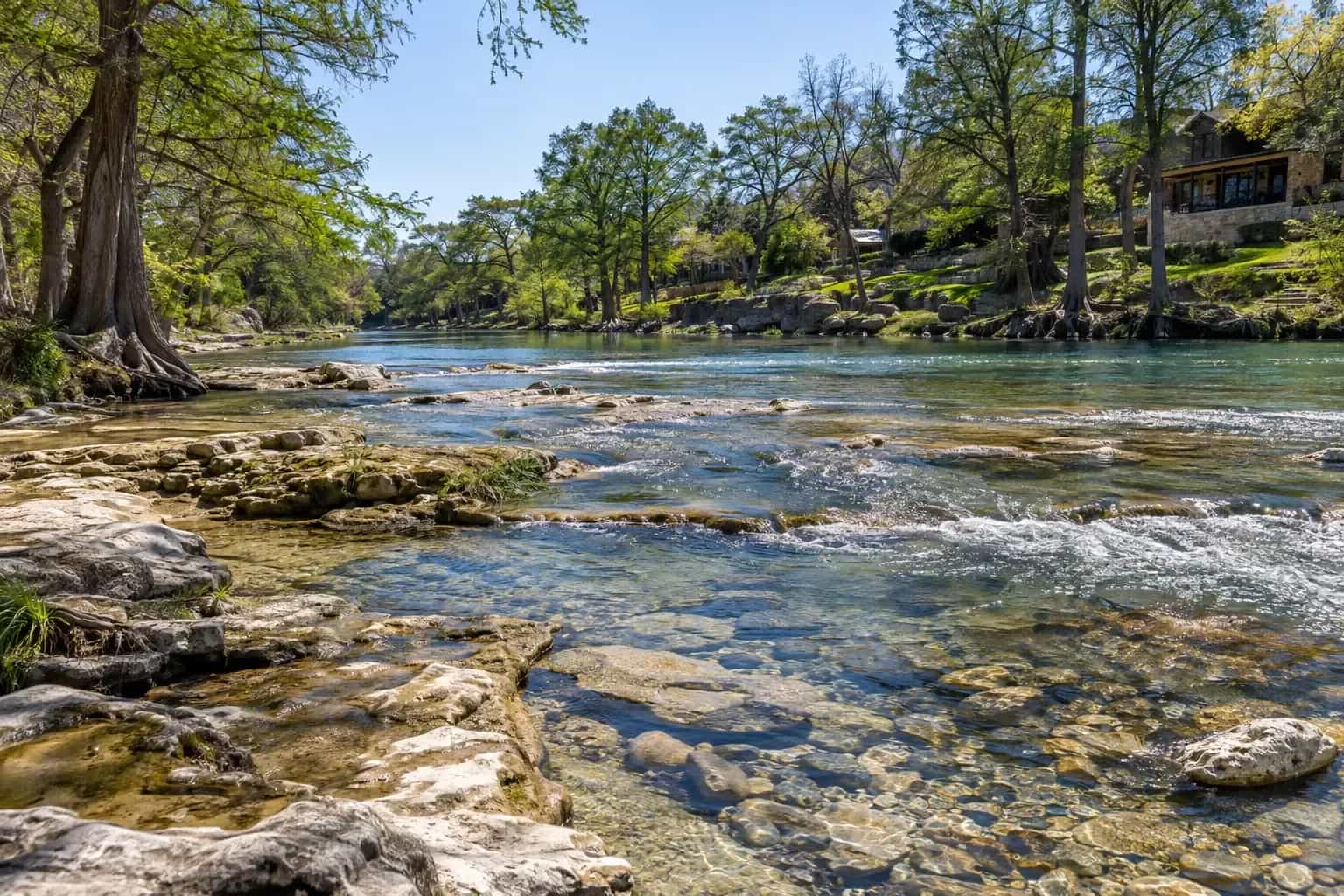
Water damage restoration
New Braunfels, TX has two rivers, the Guadalupe and the spring-fed Comal, plus storm roof leaks and hard-freeze pipe bursts. Three problems, three different fixes. We answer 24/7.
Water damage restoration in New Braunfels covers Comal County, where two channels run through town and create two separate flood exposures. Storm roof leaks and freeze breaks are different jobs again, so the cleanup gets matched to the water source. The first 24 to 48 hours decide how much material dries in place.
New Braunfels is its own city, not a San Marcos suburb, and water damage restoration in New Braunfels, TX has to respect that. This is Comal County, shaped by two rivers that meet in town. The Guadalupe and the spring-fed Comal. It's a bigger market with more options, so you're probably comparing crews, and you should. You want a company that knows the Guadalupe-and-Comal flood profile, the storm-driven roof leaks, and the hard-freeze pipe bursts here, because those three problems get solved three different ways. We cover New Braunfels and Comal County from our hub up I-35 in San Marcos, match the cleanup to the water source, and document the drying for your insurer.
Every stage of water-loss work, each linking to the full detail on its service page. One local crew handles extraction, drying, mold, and rebuild.
Start hereFast removal of standing water with truck-mounted and portable units before it soaks into more material.
See emergency water extraction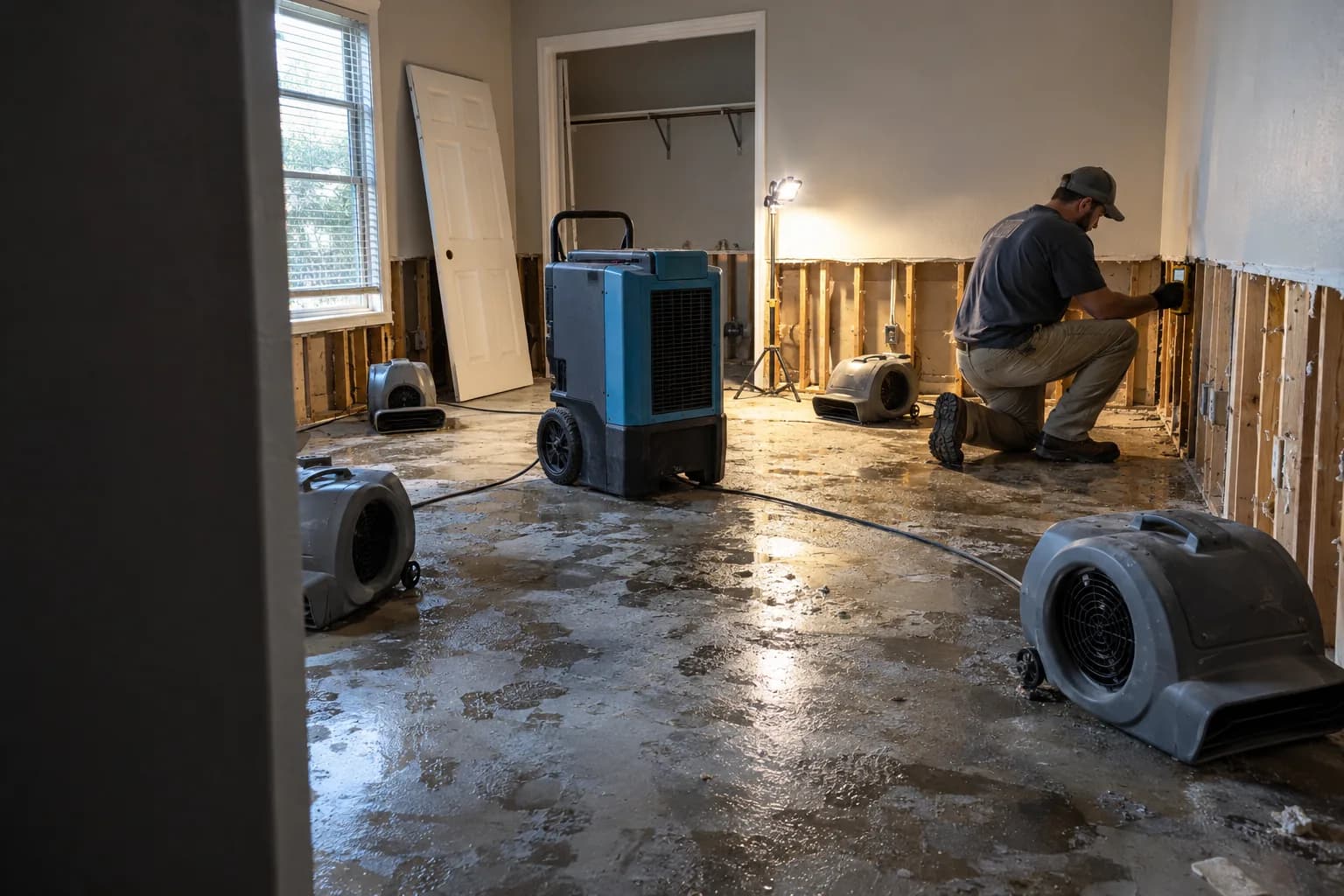
Air movers and LGR dehumidifiers with daily moisture readings, dried to a documented standard.
See structural drying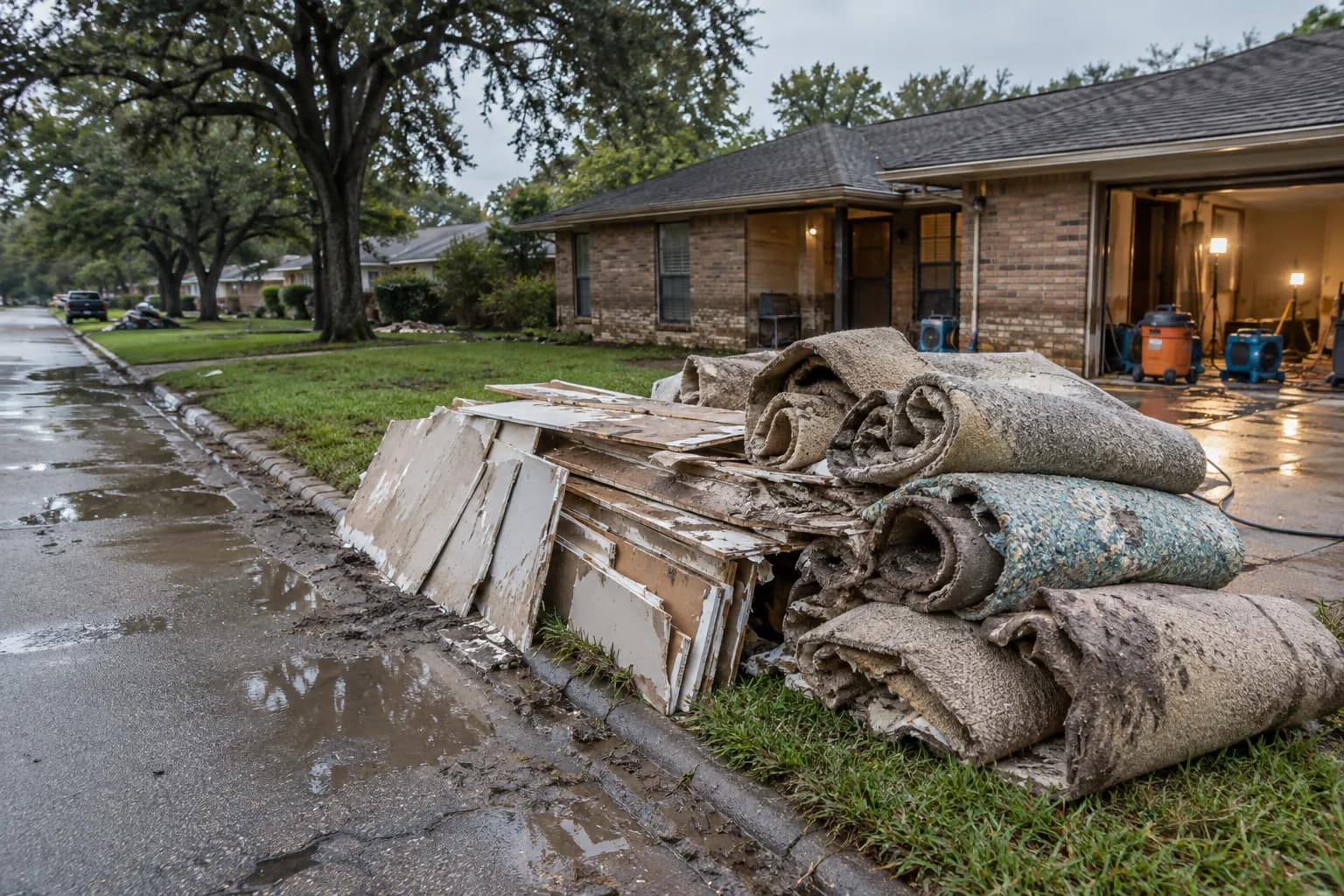
Muck-out and restoration after river flooding and flash floods along the San Marcos and Blanco Rivers.
See flood damage cleanup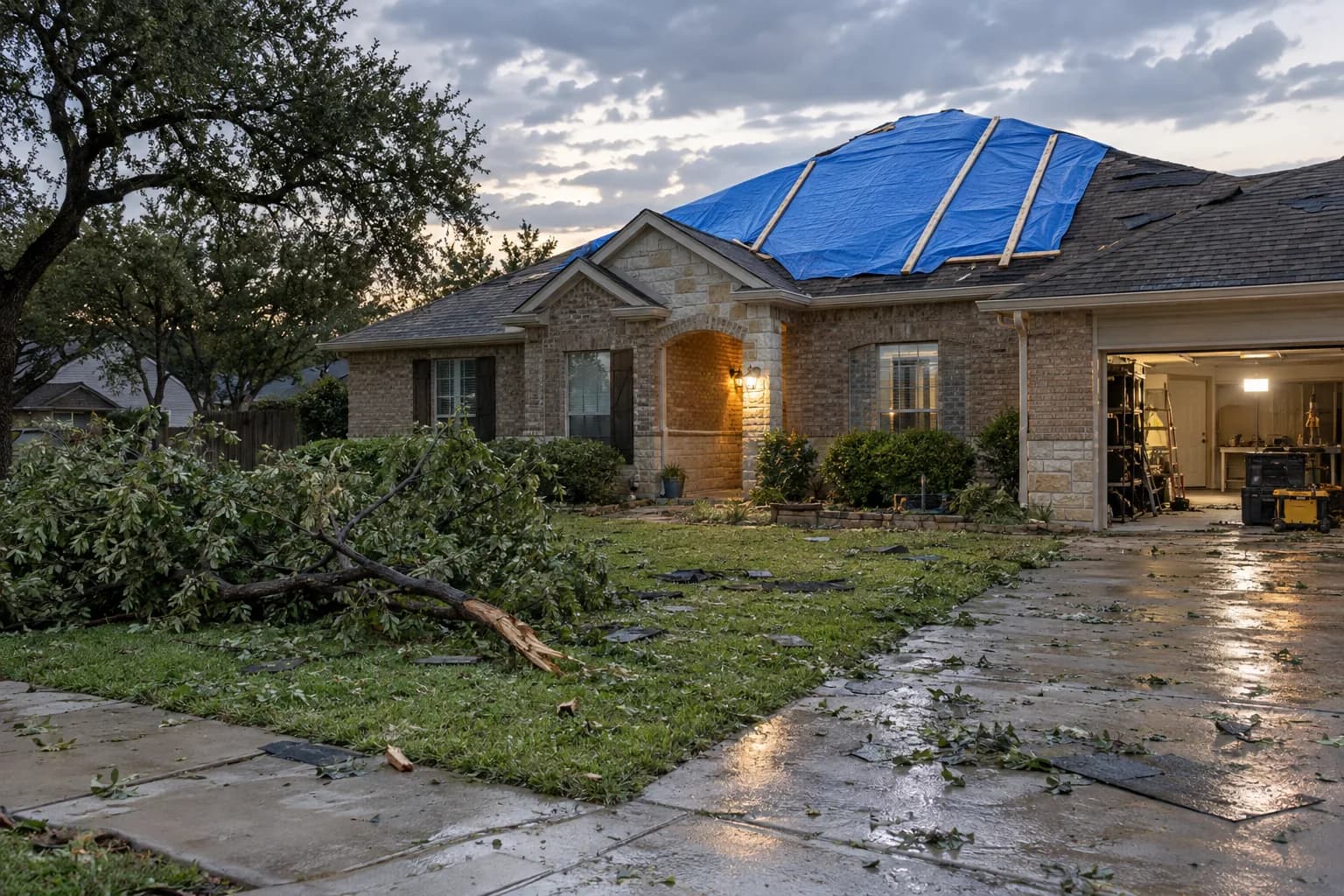
Water-intrusion repair after Central Texas thunderstorms, hail, and wind-driven rain.
See storm damage restoration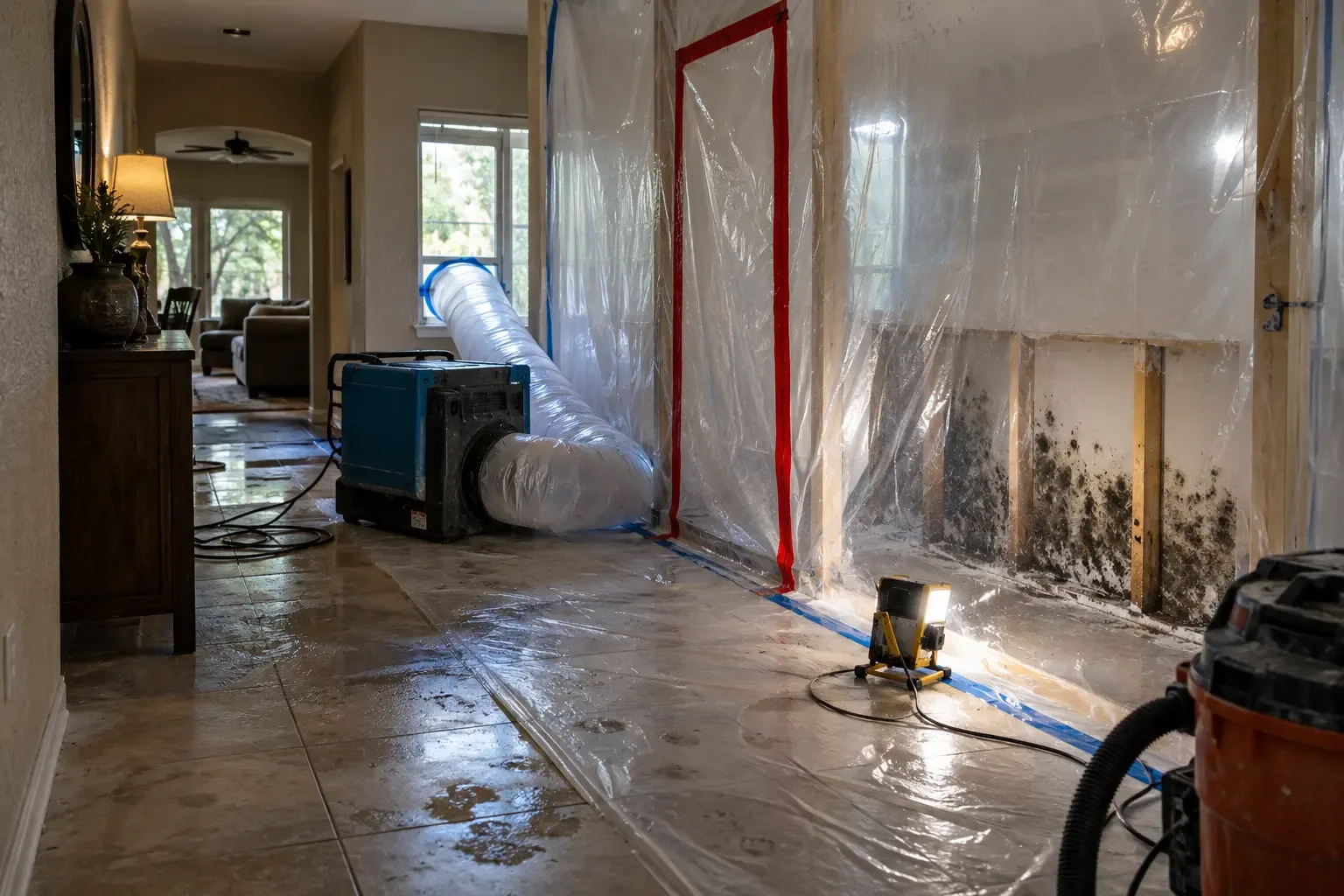
Containment, HEPA filtration, and antimicrobial treatment for the mold that follows untreated moisture.
See mold remediation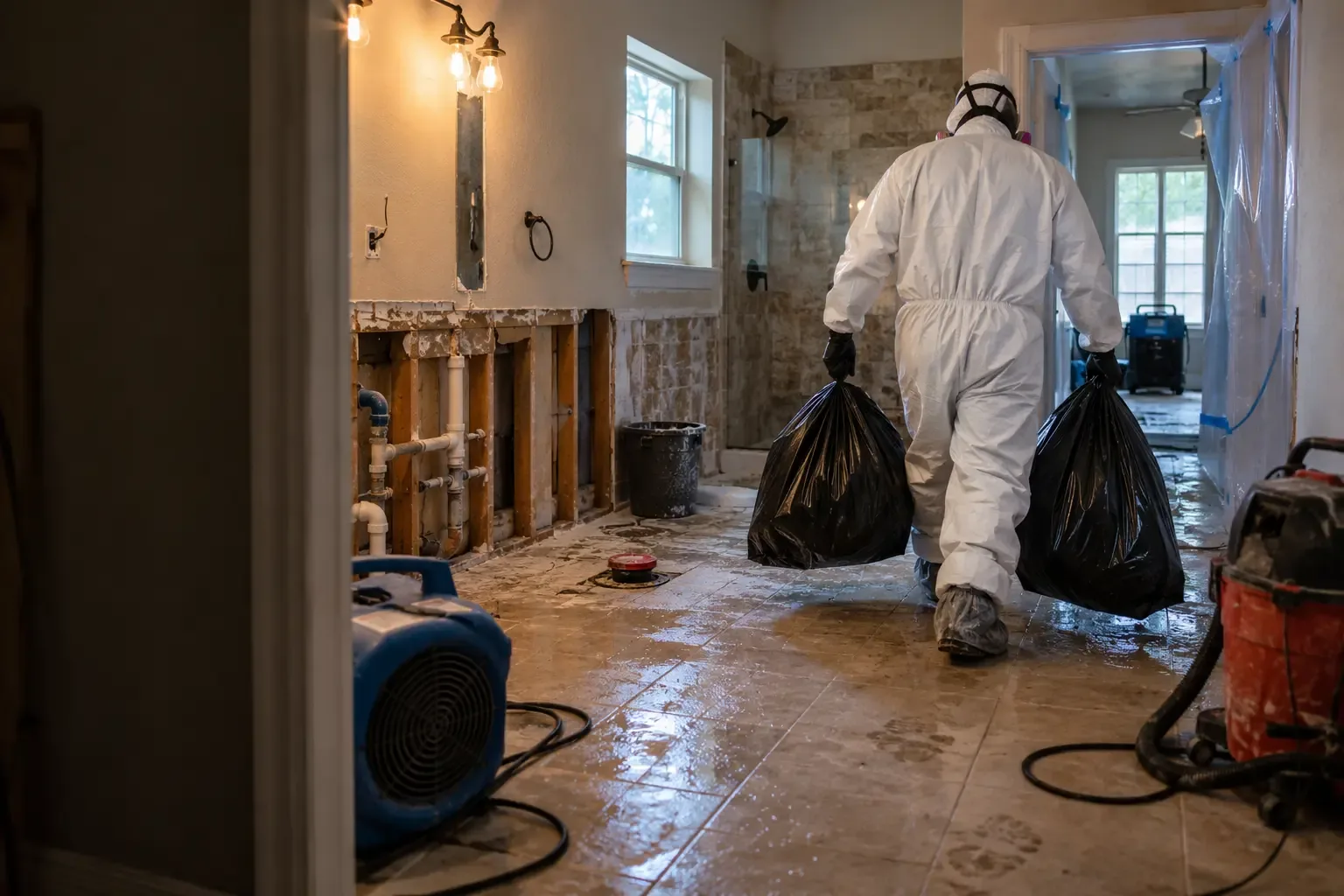
Safe handling of Category 3 black water with full sanitizing and disposal. Never a DIY job.
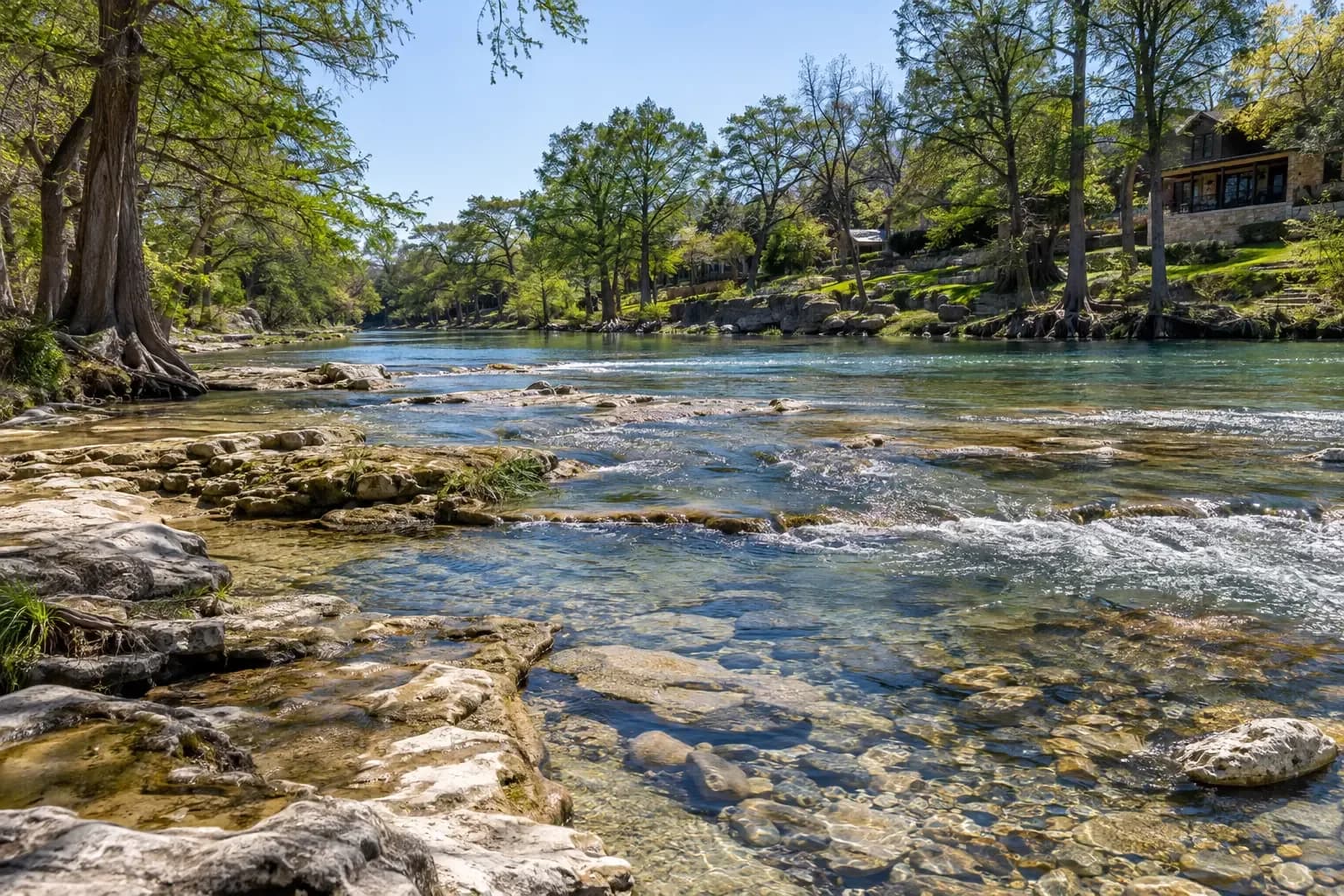
See sewage cleanupTwo rivers run New Braunfels, and that is unusual. The Guadalupe and the Comal both pass through town, and the Comal is among the shortest rivers in the country, spring-fed and steady. Two channels means two separate flood exposures, and a heavy upstream rain can lift either one.
The Guadalupe carries the big watershed, and the short, spring-fed Comal joins it inside the city, giving New Braunfels flash-flood exposure you won't find along the San Marcos or Blanco corridors to the north. When heavy rain stacks up over the watershed, the river can come up quickly, and this is still Central Texas Flash Flood Alley where limestone ground sheds water fast instead of soaking it in. It rises fast. River-flood water arrives contaminated, so cleanup means flood damage cleanup along the Guadalupe River, muck-out, sanitizing, and documented drying, not drying soaked materials in place and hoping.
Comal County matters here, and we don't get it wrong. New Braunfels is not in Hays County, so the flood maps and the watershed behave differently from a San Marcos job. A crew that treats the whole region as interchangeable misses that.
Here's what surprises people. It usually isn't the river. Most New Braunfels calls we take are interior failures, not flooding. Wind-driven storm rain finding a roof penetration, a hard-freeze pipe burst like the 2021 event, a water heater letting go, or an appliance supply line failing overnight.
Most New Braunfels homeowners picture the Guadalupe, but in a larger town with houses of every age, the calls that come in most often are storm-driven and freeze-driven. A Central Texas thunderstorm pushes wind-driven rain past a roof flashing or a worn seal, and suddenly there's water in the ceiling and down an interior wall. We handle that as storm damage restoration, tracing the intrusion point before drying.
Then there's the cold. February 2021's Winter Storm Uri burst supply lines across the region, and every hard freeze since has reminded us that Central Texas pipes aren't built for sustained sub-freezing. A split copper line or cracked PEX fitting can dump water for hours before anyone notices. Often overnight. That's burst and frozen pipe water damage cleanup, nothing like a river flood. If a freeze is in the forecast, here's how to prevent freeze-burst pipes in a Texas hard freeze. Wrap your pipes. A crew that only knows one hazard is going to be wrong two times out of three.
This is what separates a competent restoration crew from one running the same playbook on every floor. Clean supply-line water can often be extracted and the materials dried in place. River water is Category 3 under ANSI/IICRC S500, which means porous materials come out instead of being dried.
Where the water came from dictates almost everything next. A freeze-burst supply line releases clean Category 1 water under the ANSI/IICRC S500 standard, and if it's caught early, that water can often be dried in place. That means extract it, set air movers and dehumidifiers, monitor the moisture, and much of the structure survives without demolition. River flood and storm intrusion are a different animal. That water is Category 2 or 3, carrying silt, bacteria, or roofing debris, so soaked drywall, carpet pad, and insulation usually come out.
Same flooded floor, opposite response. Get the source wrong and you either tear out a room that didn't need it or, worse, "dry" contaminated material that grows mold behind the wall within 24 to 48 hours. Our first move on any New Braunfels call is identifying the source and the water category. Only then do we extract, dry to standard, and log the readings.
We'll be straight with you about distance. New Braunfels sits in Comal County, roughly 20 miles south of the San Marcos dispatch hub, so it is a longer run than Kyle or Buda. We still cover it 24/7, and we would rather set that expectation honestly than overpromise a clock time.
New Braunfels sits south of our San Marcos hub, a short run down I-35, so it's a slightly longer reach than the towns in our inner ring. We still treat the first 24 to 48 hours as the window that matters, because that's when extraction and drying save the most material and head off mold, and we respond around the clock. Checking coverage elsewhere? The full list of water damage restoration service areas around San Marcos lays out where we run.
New Braunfels prices on the Central Texas band, roughly $3.00 to $7.50 per square foot for mitigation, with the water category deciding where inside it you land (industry cost data, scoped under ANSI/IICRC S500).
| Typical New Braunfels loss | Category | Affected area | Market range at published rates |
|---|---|---|---|
| Supply-line failure in a newer subdivision home | 1, clean | 250 sq ft | $750 to $1,000 |
| Upstairs bathroom leak into the ceiling below | 2, grey | 350 sq ft | $1,400 to $2,275 |
| Guadalupe or Comal river water into a low-lying property | 3, black | 800 sq ft | $5,600 to $6,000 |
| Storm breach with water across several rooms | 2, grey | 600 sq ft | $2,400 to $3,900 |
| Short-term rental turnaround after a leak | 1 to 2 | 400 sq ft | $1,200 to $2,600 |
That is the published Central Texas market band applied to a floor area, not a quote from us. Whole jobs here run from about $1,200 for a small clean-water loss to $8,500 or more for a large or contaminated one, with mid-range multi-room work near $2,500 to $5,000 (industry cost data). Small jobs land nearer that $1,200 floor than the raw multiplication suggests, because a callout and an equipment set carry a practical minimum.
That last row is a New Braunfels particular. A property that has to be dry, rebuilt and photographable before the next booking is a scheduling problem as much as a drying one, and it changes how we sequence equipment rather than how we price it.
New Braunfels sits at the meeting of the Guadalupe and the Comal in Comal County, and they do not behave the same way, which matters for how much warning a property gets.
| Guadalupe River | Comal River | Street and storm drainage | |
|---|---|---|---|
| Source of rise | Upstream watershed and Canyon Lake releases | Spring fed, far more stable | Local rainfall intensity |
| Warning time | Hours, and releases are announced | Rarely the flooding source | Minutes, this is flash flooding |
| Water category | 3, contaminated | 3 if it reaches a building | 2 or 3, depending on what it crossed |
| Who it affects | Riverside and low-lying property downstream | Very localised | Any low street or poorly draining lot |
| What to watch | Gauge readings and release notices | Little | The forecast rainfall rate, not the total |
A detail worth knowing if you are near the Guadalupe. Releases from Canyon Lake are announced in advance, which is more warning than any flash-flood watershed gives you. That window is enough to move contents up and get vehicles out, and doing so before the water arrives changes the contents portion of a claim more than anything we can do afterwards.
| Detail | |
|---|---|
| ZIPs served | 78130 and 78132 |
| County | Comal |
| Dispatch from | San Marcos, TX, south down I-35 |
| Main flood exposure | Guadalupe River, Comal River, and street drainage in heavy rain |
| Also common | Short-term rental and multi-unit turnarounds |
| Hours | 24/7, a local person answers |
We are honest about being a San Marcos company working into Comal County rather than a New Braunfels native, and there are good local firms here. What we bring is the corridor view. We work the same river system from San Marcos and Martindale down, so the flood behaviour and the Category 3 protocol that comes with it are the same job we do every week.
Before and after
New Braunfels produces both. River water arrives contaminated and takes material out of the building. An interior leak upstairs is usually clean water that dries in place, and mixing the two protocols wastes either money or safety.
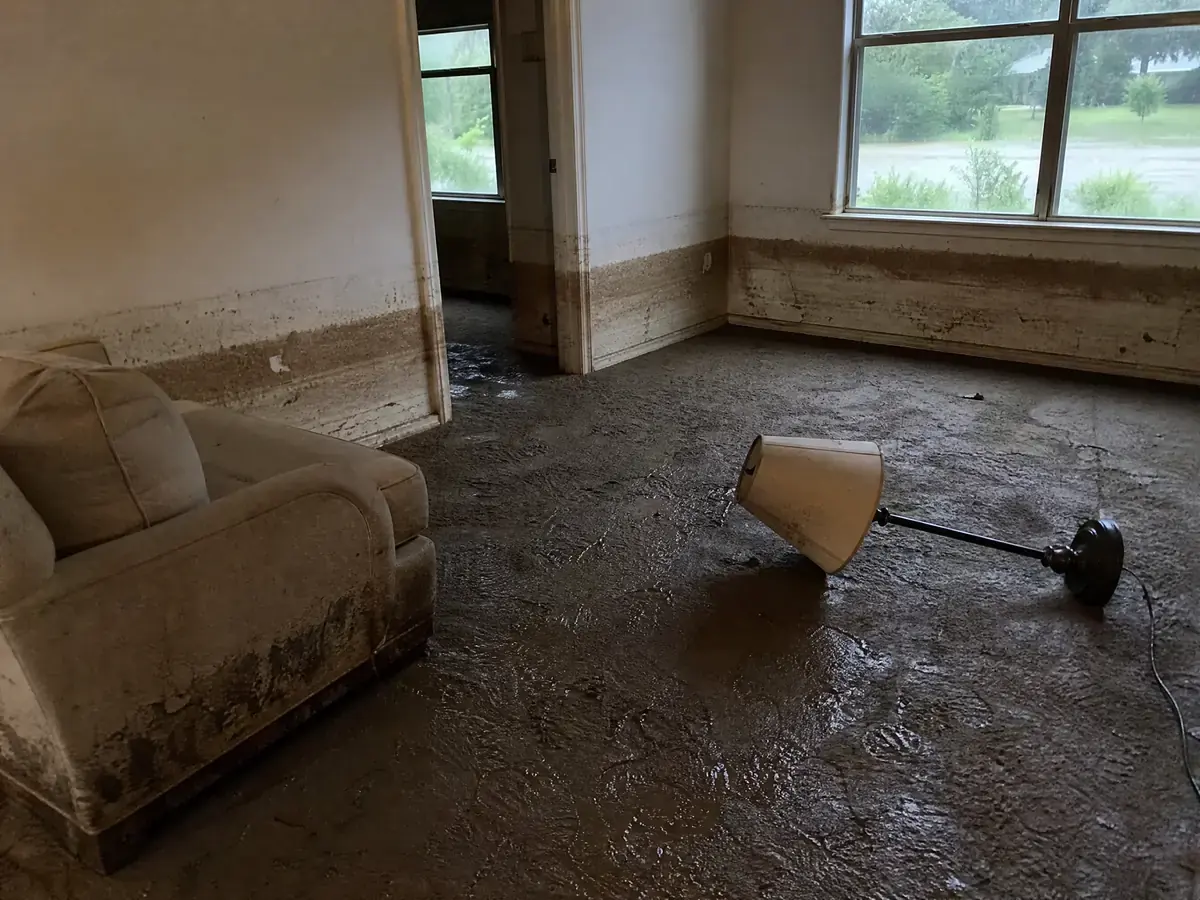 Before, river water inside
Guadalupe water in a low-lying property, contaminated on arrival, wicking up the wall past the visible line.
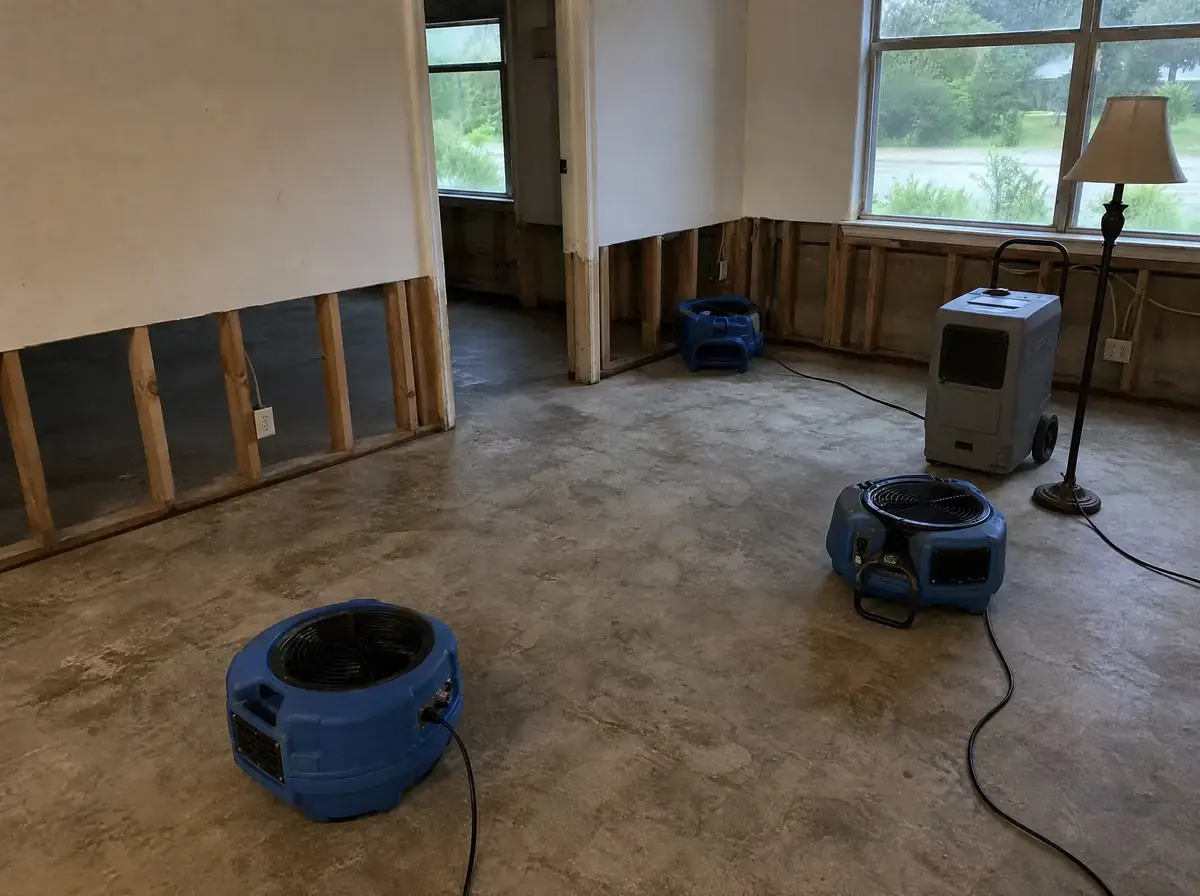 After, removed and dried
Porous material out above the wick line, framing cleaned and treated, structure dried to a documented standard before rebuild.
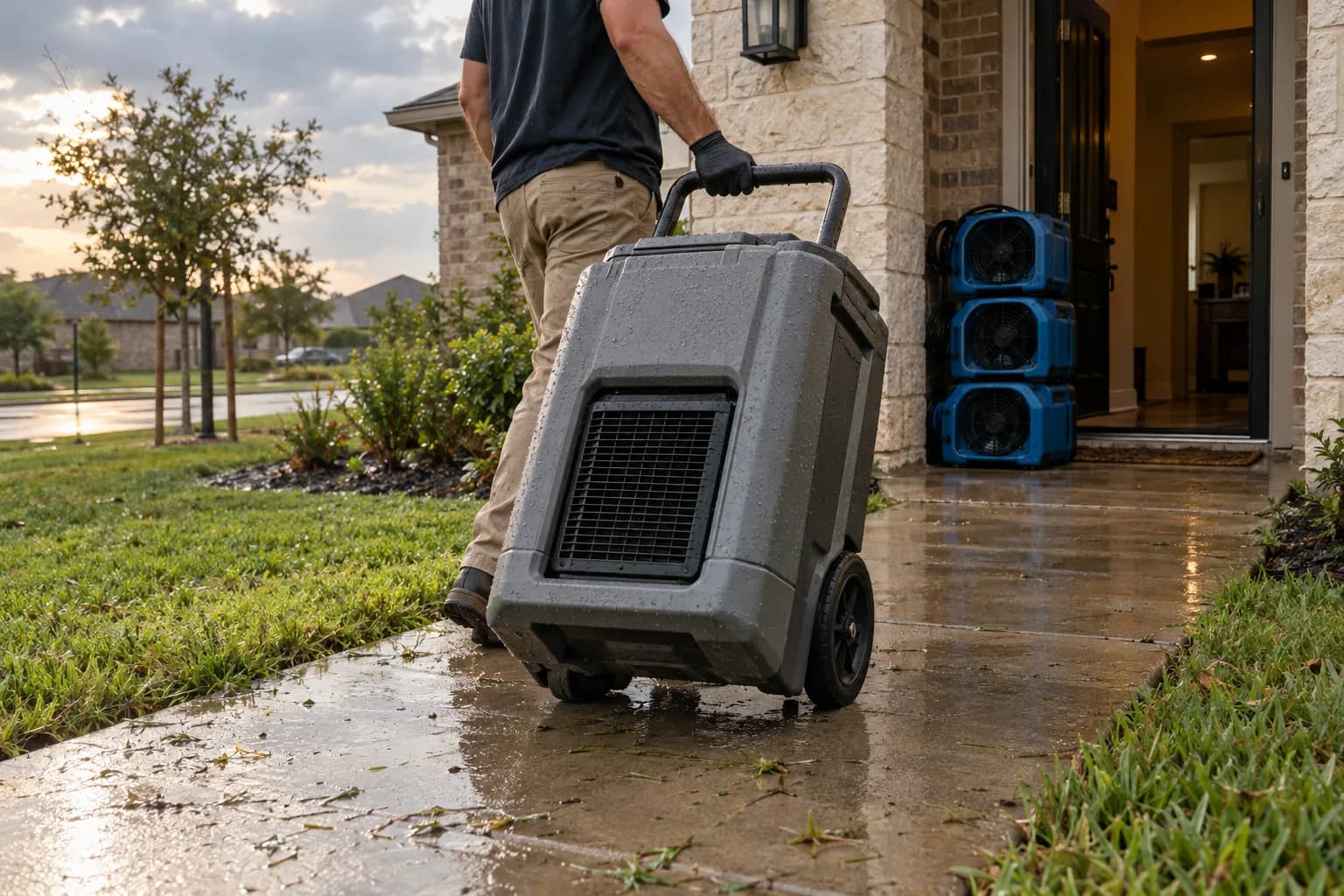
Who we are
We put the things most companies keep vague in writing: real price ranges for this market, the standards we work to, and a moisture log your adjuster can read.
24/7
A real local person answers, day or night
24-48 hrs
The critical window to limit secondary damage
~25 mi
Served from our San Marcos hub across Hays, Comal & Caldwell
S500
The ANSI/IICRC drying standard our process follows
We dispatch from our San Marcos hub across Hays County and the surrounding counties: San Marcos and a ~25-mile radius across Hays, Comal, and Caldwell counties.
New Braunfels emergency? Call now.
We dispatch from San Marcos, TX and move as fast as conditions allow.
FAQ
Straight answers to what San Marcos homeowners ask most, on cost, insurance, mold timelines, and what to do first.
24/7
A real local team across Hays, Comal & Caldwell counties. Every job dried to a documented standard.
Have a question on your mind?
Get a quoteThree things, mostly. New Braunfels sits in Comal County where the Guadalupe and Comal Rivers create flash-flood exposure; Central Texas storms drive roof and wind-rain intrusion; and hard freezes burst supply lines, as the 2021 Winter Storm Uri freeze did region-wide. Three sources, three fixes. Each source is handled differently, so the cleanup starts with identifying where the water came from.
Yes, the Guadalupe River, joined by the spring-fed Comal River in town, gives New Braunfels real flash-flood exposure in Central Texas Flash Flood Alley. Heavy rain over the watershed can raise the river quickly. River-flood water is contaminated, so cleanup means muck-out, sanitizing, and documented drying, not just drying in place.
Yes. We serve New Braunfels and Comal County from our San Marcos hub up I-35. The drive is short. Water damage worsens by the hour, so the goal is to reach you and start extraction within the critical first 24 to 48 hours, any time of day or night.
Yes, very. A freeze-burst supply line usually releases clean Category 1 water, which can often be dried in place if caught early. The category drives everything. River or storm flood water is contaminated, Category 2 or 3, and usually requires removing soaked materials and sanitizing. Matching the method to the water source is what protects your home and your budget.
Tell us straight what is happening and we will tell you the next step. We pick up, then we are on the way.
A real local person answers, 24/7. Tell us what is happening and we are on the way.