San Marcos water damage guide
Water Damage Claim Denied? What to Do Next
That denial letter feels final. It is not. A denied water damage claim in Texas usually comes down to a handful of specific, often-addressable reasons. Maybe the insurer called your damage a gradual leak instead of a sudden break, maybe the loss was flooding that a standard homeowners policy excludes, or maybe the documentation was simply too thin to prove what happened. None of those is automatically the end of the road. This guide walks through why claims get denied around San Marcos, how to appeal, when a public adjuster earns their fee, and the recourse you have through the Texas Department of Insurance. One note up front. This is general information, not legal advice.
Published · Updated
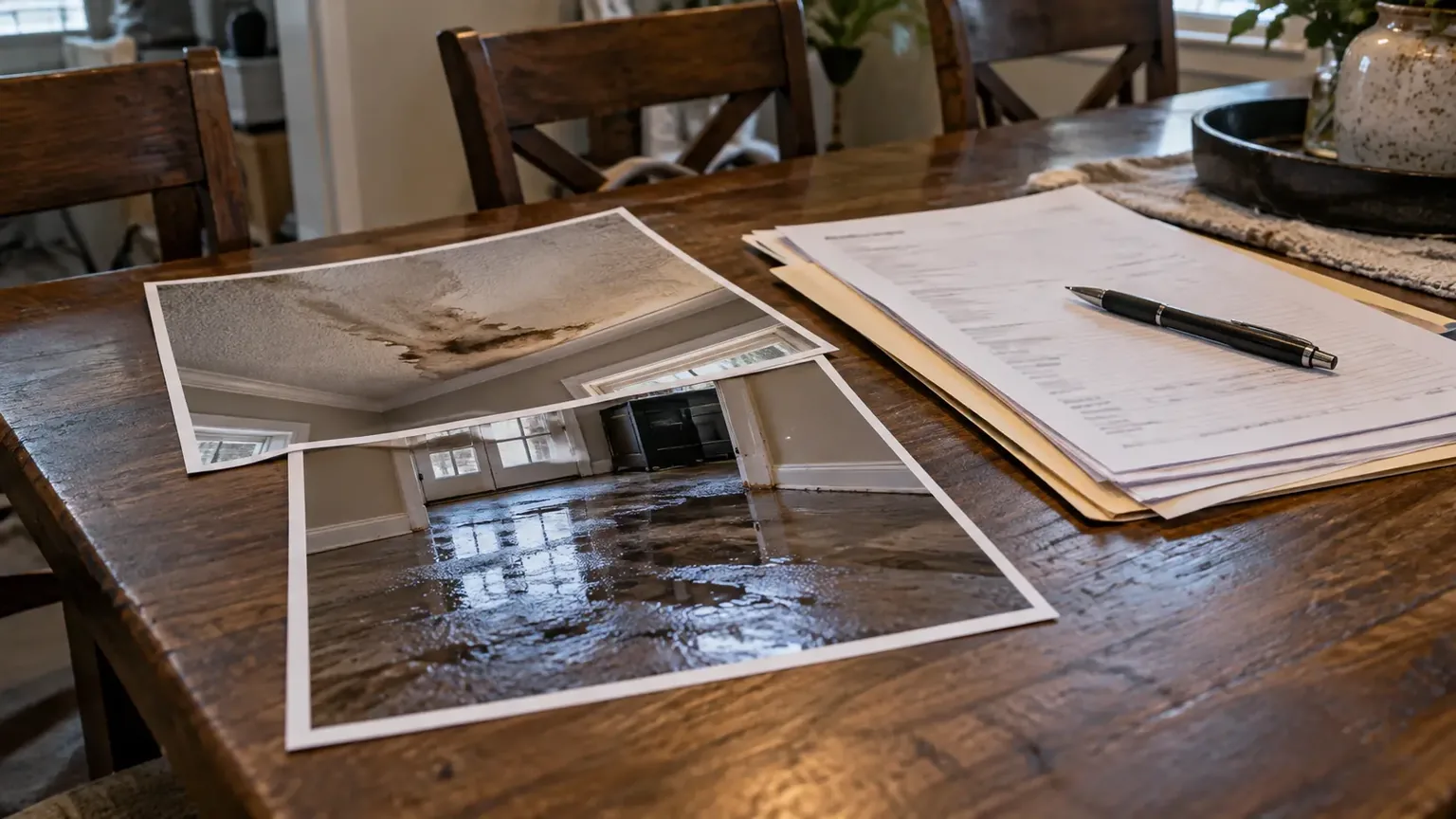
Need documentation to support your claim? Talk to us.
What to Do If Your Water Damage Claim Is Denied
If your water damage claim is denied, do not assume it is final. Read the denial letter to find the exact reason, request a written explanation, and gather documentation of the source, the date, and the extent of the damage. Then request a reinspection and file a formal appeal.
Don't panic. Start with the letter. Build the case first, then consider a public adjuster or a complaint to the Texas Department of Insurance.
Here is the order that actually works.
- Read the denial letter. Find the cited reason, word for word.
- Request a written explanation of the denial, including the policy language the insurer relied on.
- Pull together your documentation. The short version is photos, video, dates, the source of the water, and any moisture readings.
- Request a reinspection, especially if the first adjuster's visit was rushed or happened after cleanup had already started and the original picture of the loss had been erased.
- File a formal written appeal that answers the cited reason directly.
- Escalate if needed, either through a public adjuster who builds the case for you or through a formal complaint to the Texas Department of Insurance.
Most people skip straight to an angry appeal letter. That rarely works. The denial letter tells you what to argue, and the evidence, the photos and moisture readings and dated records, is what actually wins the thing. Want the broad view first? Here is the full Texas water damage insurance claim guide.
Why Water Damage Claims Get Denied in Texas
Texas runs on one distinction more than any other. Sudden versus gradual. A pipe that bursts at 2 a.m. is a sudden, accidental loss, and that is usually covered. A supply line that wept behind a cabinet for eight months is a gradual leak, and standard policies exclude it.
Insurers lean on this line hard, and a lot of denials boil down to which side of it they decide to put your loss on.
Flooding is the other big one. If water came from outside, rising creeks, a swollen river, sheet flow across the yard, a homeowners policy almost never covers it. That matters more here than most places. Homes along the San Marcos River and the Blanco River sit in a documented flood corridor inside Texas Flash Flood Alley, and plenty of local homeowners learn the hard way that flood damage needs separate NFIP flood insurance, not the policy they already pay for.
A few other reasons show up again and again.
- Policy exclusions beyond flood, such as seepage, ground water, or backup without an added endorsement.
- Missed deadlines, since policies require prompt notice and Texas gives insurers a window to respond.
- Pre-existing damage the insurer argues was there before the date you claimed.
- Thin documentation, the quiet killer, where the adjuster simply couldn't establish the source or the extent.
For the fuller breakdown of coverage rules, see what Texas homeowners insurance covers. Name the rule first. Knowing the rule the insurer applied tells you which fight you are actually in.
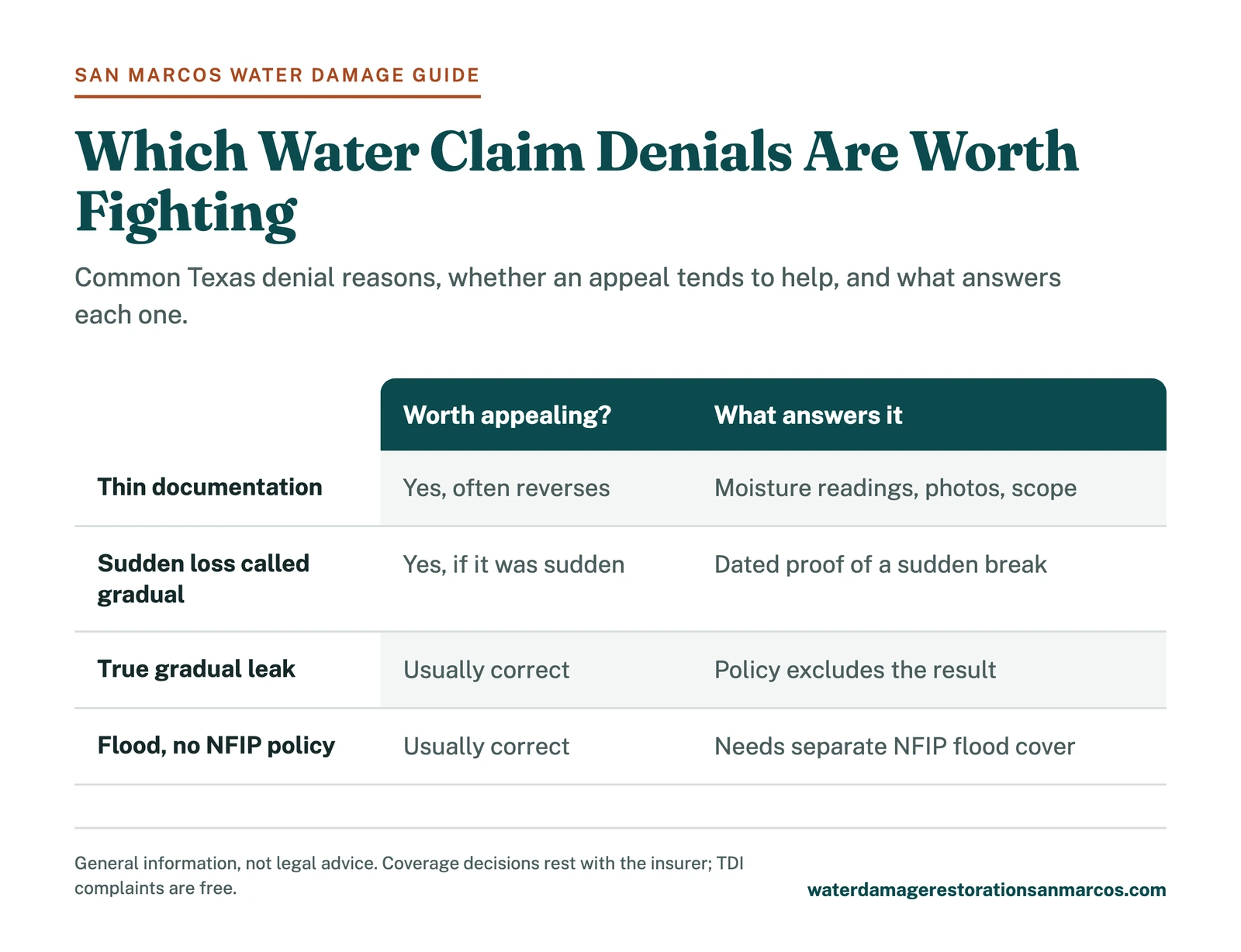
Text version of this infographic
Which Water Claim Denials Are Worth Fighting. Common Texas denial reasons, whether an appeal tends to help, and what answers each one.
| Item | Worth appealing? | What answers it |
|---|---|---|
| Thin documentation | Yes, often reverses | Moisture readings, photos, scope |
| Sudden loss called gradual | Yes, if it was sudden | Dated proof of a sudden break |
| True gradual leak | Usually correct | Policy excludes the result |
| Flood, no NFIP policy | Usually correct | Needs separate NFIP flood cover |
General information, not legal advice. Coverage decisions rest with the insurer; TDI complaints are free.
The Most Fixable Reason, Documentation
The single most common fixable reason a water claim gets denied is thin documentation. The adjuster couldn't establish that the damage was sudden, couldn't confirm the source, or couldn't size the true extent, so the safe answer was no. Proof was missing.
Here is the part most articles bury. When a denial gets issued before anyone did thorough moisture mapping and wrote a documented scope of work, that decision often reopens once the evidence shows up.
I have seen a denial flip after moisture readings and a room-by-room scope were supplied, because the new evidence answered the exact question the first adjuster couldn't. The appeal letter didn't do the heavy lifting. The proof did.
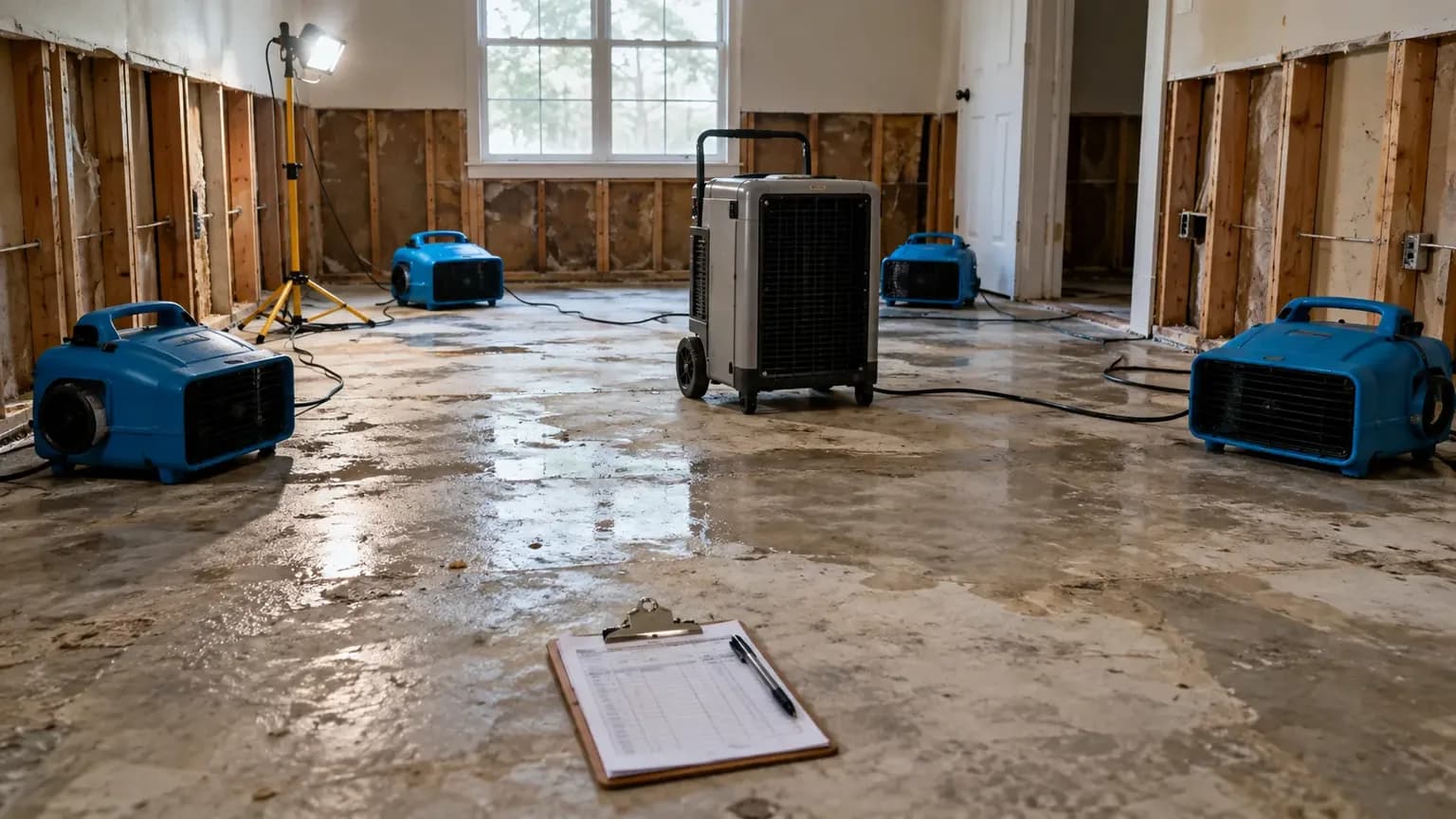
This is where a restoration company's records help. We can document the loss the way insurers expect, which means dated moisture readings as the structure dries, photographs of the source and affected materials, and a written scope of work tying it together. We coordinate that with your adjuster, and we don't decide coverage, the insurer always does. But evidence built to the standard adjusters look for frequently does more to reverse a denial than the argument wrapped around it.
Get a documented inspection and scope of work. Talk to us.
If you want the homeowner version of this, read how to document water damage for a claim, and consider a documented water damage inspection if the damage is already drying out.
How to Appeal a Denied Water Damage Claim
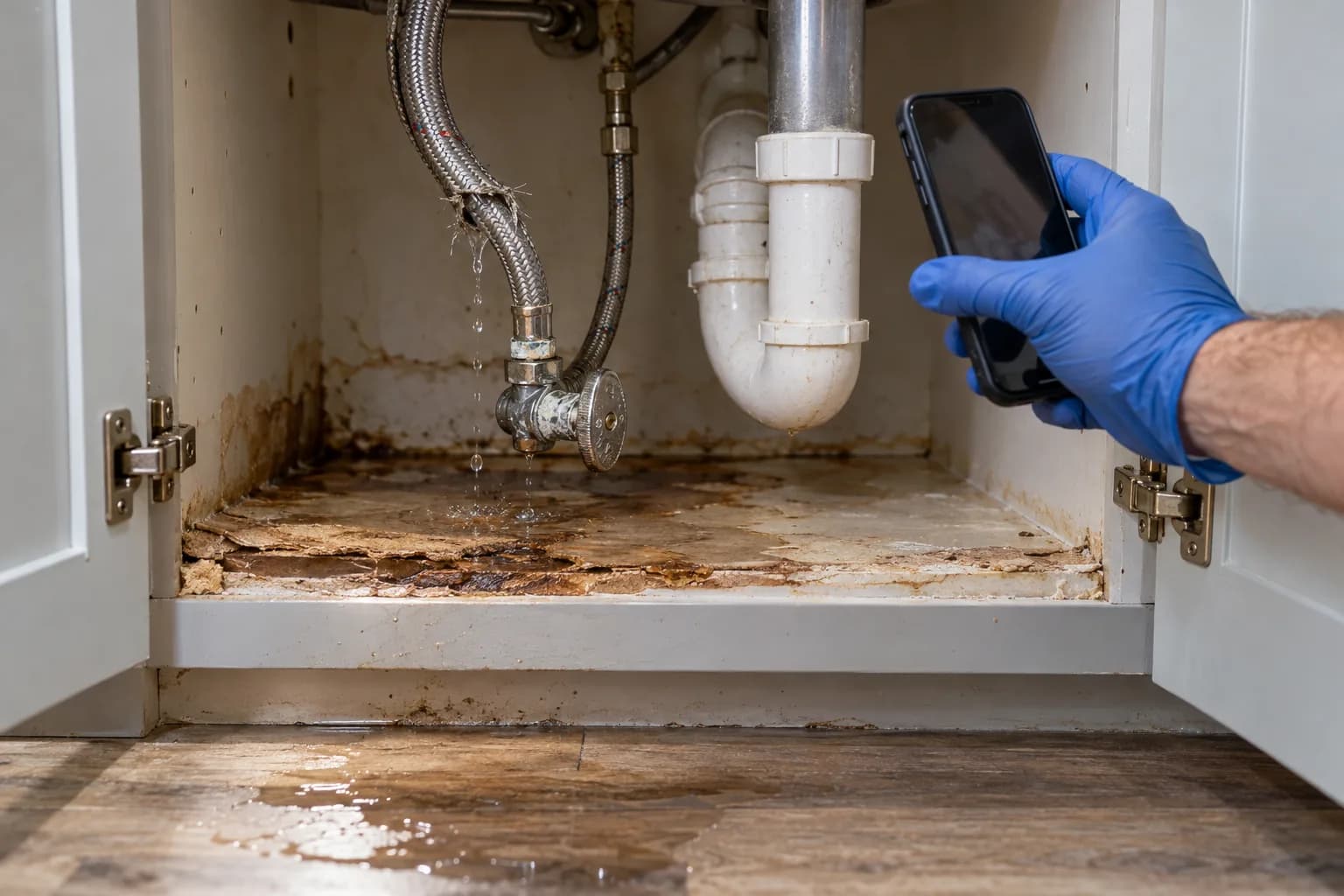
An appeal is a written argument, not a phone call. Start by requesting the insurer's written reasons in full, including the policy provision they cited. You cannot rebut a reason you only half understand, and the provision they name tells you exactly what evidence closes the gap.
Next, request a reinspection. First inspections are often fast, and some happen after a homeowner has already pulled wet carpet and run fans, which erases the picture. A second look, paired with your evidence, gives the insurer a reason to revisit the file.
Then file the formal appeal. Keep it factual. Quote the denial reason, then answer it point by point with your documentation. That means the date, the source, the moisture readings, the photos. If the denial said "gradual," show what makes it sudden. If it said "insufficient documentation," hand over the documentation. Mail it, keep copies, note every date and name.
If the appeal stalls, you have two more levers, both below.
When to Hire a Public Adjuster
A public adjuster works for you, not the insurer. They inspect the loss, build the documentation, prepare the proof of loss, and negotiate the settlement on your behalf. For a significant denied or underpaid claim, that expertise can pay for itself.
The fee is the trade-off. Public adjusters typically charge a percentage of what they recover, and Texas caps that percentage so the cut stays within a regulated limit rather than whatever the adjuster wants. On a large loss, paying a slice of a much bigger settlement makes sense. On a small claim sitting close to your deductible, the fee can eat most of the gain, and you may be better off handling the appeal yourself.
Worth weighing honestly. Match the claim size against the cost, and ask any public adjuster for their license number and fee structure in writing before you sign anything.
Your Options Through the Texas Department of Insurance
If you believe the insurer handled your claim unfairly, the Texas Department of Insurance gives Texans a complaint and resolution process. You can file a complaint, and the department reviews how the insurer handled the claim against state requirements. It is free, and it creates a record.
Worth knowing, because most national denial articles never name it. They point you to a lawyer. TDI is a regulator you can approach directly, at no cost, and it can prompt the insurer to explain or reconsider its handling. It does not guarantee a reversal and is not a substitute for legal advice on a complex claim, but it is a real, Texas-specific option that costs nothing to use.
When a Denial Is Actually Correct
Not every denial is wrong. Honesty matters here, because chasing a denial that is genuinely correct wastes time and money. If the loss really was gradual seepage, or the damage really is excluded maintenance, an appeal will not change the policy language.
Two cases are usually legitimate. The first is a true gradual leak. A fixture that seeped for months, where the policy plainly excludes the result. That one is fair. The second is true flooding with no NFIP flood policy in place, which a homeowners policy does not cover no matter how you frame it. If a creek rose into your living room and you carry no flood insurance, the denial reflects the coverage you bought, not bad faith.
So check the facts before you fight. If the loss really was sudden and the denial rests on weak evidence, push, because those reverse. If it falls squarely inside an exclusion, your energy is better spent on the repair and on getting the right coverage before the next storm. Spend it wisely. Anyone promising to overturn "99% of claims" is selling a number, not the truth.
Written by the Water Damage Restoration San Marcos team
Local water-damage restoration in San Marcos, TX and Hays County. Our guidance follows the ANSI/IICRC S500 and S520 reference standards the industry plans around. Questions about your situation? Call (512) 778-8417, we answer 24/7.