San Marcos water damage guide
Warped Floor After a Water Leak: What to Do
A warped floor after a water leak rarely looks the way you expect. One morning the boards by the dishwasher have lifted at the seams, or a strip of hallway hardwood has cupped into shallow waves, and your gut says the whole floor is ruined. Maybe. Maybe not.
Published · Updated
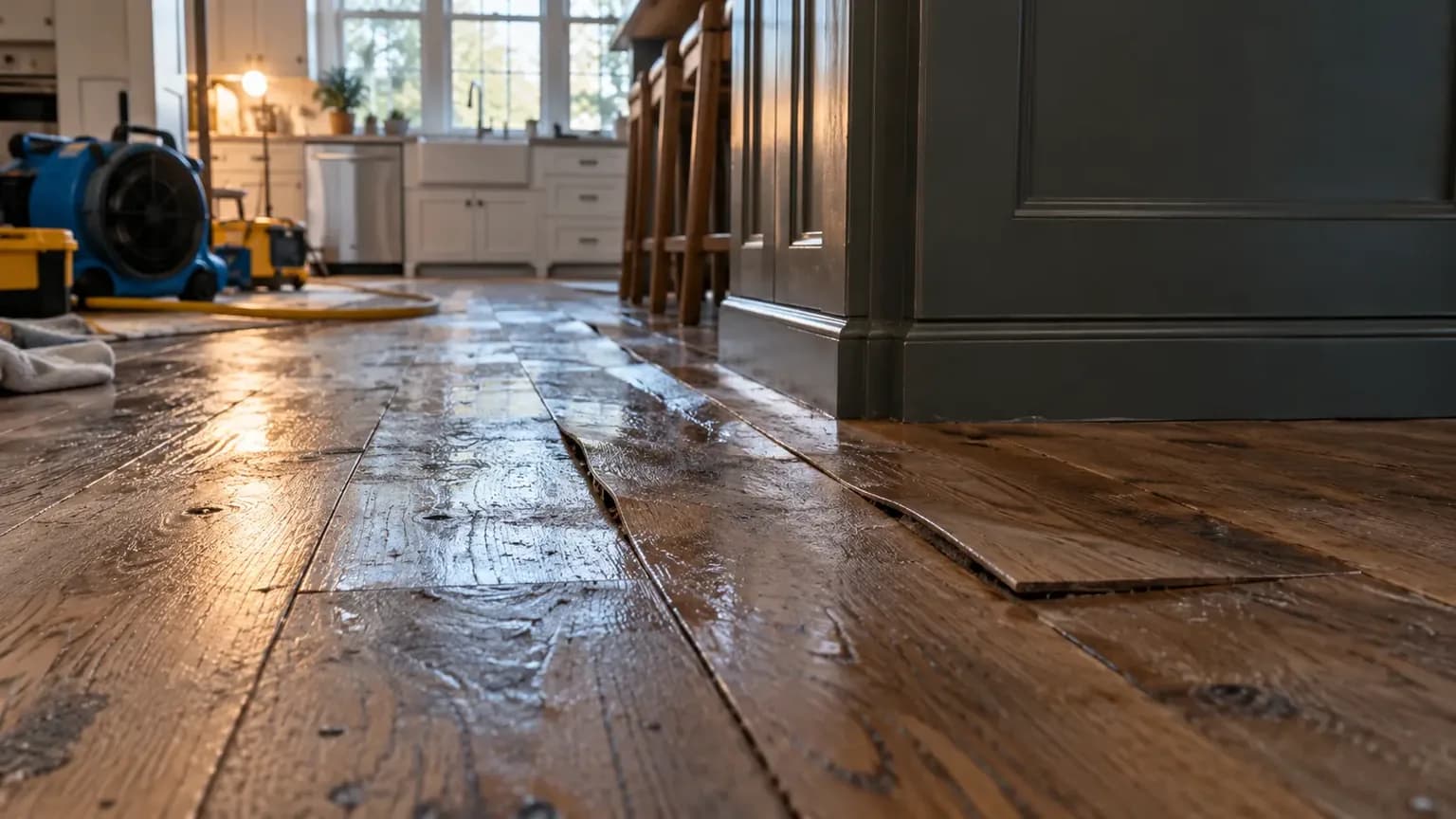
The honest answer is that warping means moisture is trapped below the surface, in the boards and the subfloor under them, and whether the floor survives depends on the flooring type, the water category, and how long it stayed wet. Across San Marcos, TX, Kyle, and Buda, most homes sit on a concrete slab, so that trapped water often pools between the flooring and the slab where it lingers. The humid Central Texas climate keeps it there longer than you would think. Drying comes first. Before anyone decides to rip it out or refinish it, the subfloor underneath has to dry all the way down, because a floor that looks fine on top can stay soaked beneath for weeks.
What a Warped Floor After a Leak Means
A warped or buckling floor after a leak means moisture is trapped in the boards and the subfloor beneath them. Whether it can be saved depends on the flooring type, the water category, and how long it stayed wet. Solid hardwood sometimes relaxes once the subfloor dries; laminate usually needs replacing.
It varies by material. Engineered wood behaves more like laminate than solid hardwood, and once its top veneer delaminates it is done.
The visible warp is the symptom, not the disease. Wood and wood-based flooring swell when they absorb water, and they almost never swell evenly. Swelling runs uneven. The bottom of a board grabs moisture from a wet slab while the top stays drier, or the edges soak faster than the middle. That uneven swelling is what forces the warp you can see and feel. Look deeper. Address the surface alone and you are treating the bruise while the break underneath keeps moving, and the floor will deform again the moment the next dry spell pulls moisture back toward the top.
Cupping, Crowning, and Buckling, Reading the Damage
The shape of the warp is a map. Read it right and you know where the trapped moisture is sitting. Cupping, edges higher than centers, means moisture below. Crowning, centers higher than edges, means it dried from the wrong side. Buckling, boards lifting off the subfloor, means saturation.
Cupping is when the edges of each board rise higher than the center, leaving a subtle washboard feel underfoot. Cupping almost always means moisture is coming from below. The subfloor or slab is wet, and the board is drinking from underneath while the finished top stays comparatively dry. Crowning is the reverse, with the center of the board higher than its edges. The pattern reverses. The cause flips. That pattern often shows up when the surface got dried too fast while the bottom stayed wet, so the top shrank back down before the underside caught up. Buckling is the dramatic one. Here that means boards lift clean off the subfloor, sometimes tenting several inches, which happens when flooring swells with nowhere to expand and pops free of its fasteners or adhesive.
A tech reads which way your boards deformed to figure out where the water is hiding, and that single observation shapes the whole plan. Sand or refinish a cupped floor before the subfloor underneath is dry, and it will cup right back, because the moisture that caused it is still there feeding the wood from below.
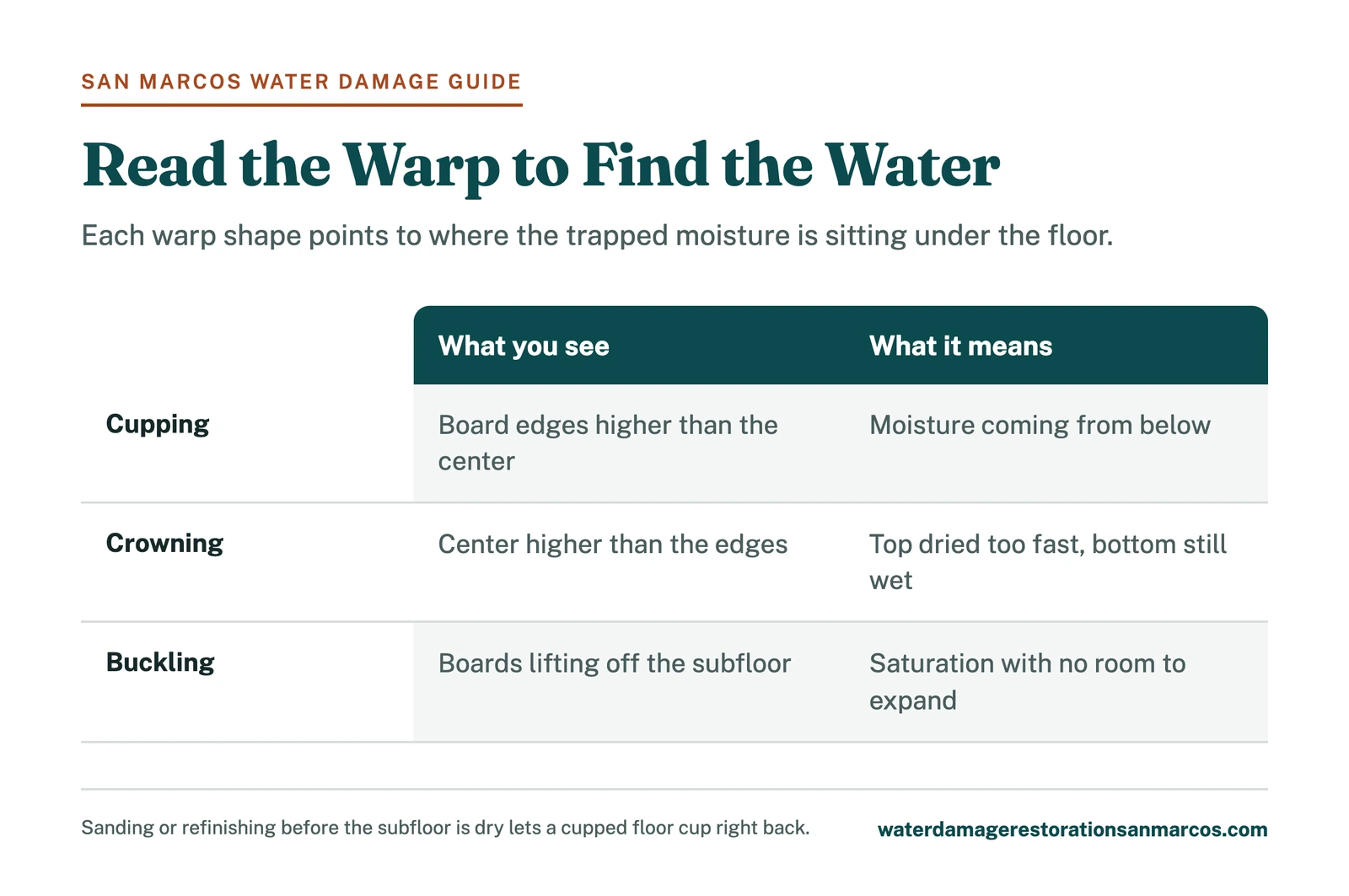
Text version of this infographic
Read the Warp to Find the Water. Each warp shape points to where the trapped moisture is sitting under the floor.
| Item | What you see | What it means |
|---|---|---|
| Cupping | Board edges higher than the center | Moisture coming from below |
| Crowning | Center higher than the edges | Top dried too fast, bottom still wet |
| Buckling | Boards lifting off the subfloor | Saturation with no room to expand |
Sanding or refinishing before the subfloor is dry lets a cupped floor cup right back.
Can a Warped Floor Be Saved? (By Floor Type)
Flooring type drives the odds more than anything else. Solid hardwood has the best chance, engineered wood is a coin toss depending on veneer thickness, and laminate almost never recovers because its core is compressed fiberboard that swells permanently. Here is the honest breakdown.
- Solid hardwood. Sometimes. Real hardwood can absorb moisture and release it. Cupping from below often relaxes once the subfloor is dried to standard, and the floor may then be sanded and refinished. It takes patience and the right drying, not a guarantee. Nothing is promised.
- Engineered wood. Rarely. A thin hardwood veneer over a plywood or fiberboard core delaminates when the layers swell and the glue lets go. Once the layers separate, drying does not glue them back. That bond is gone.
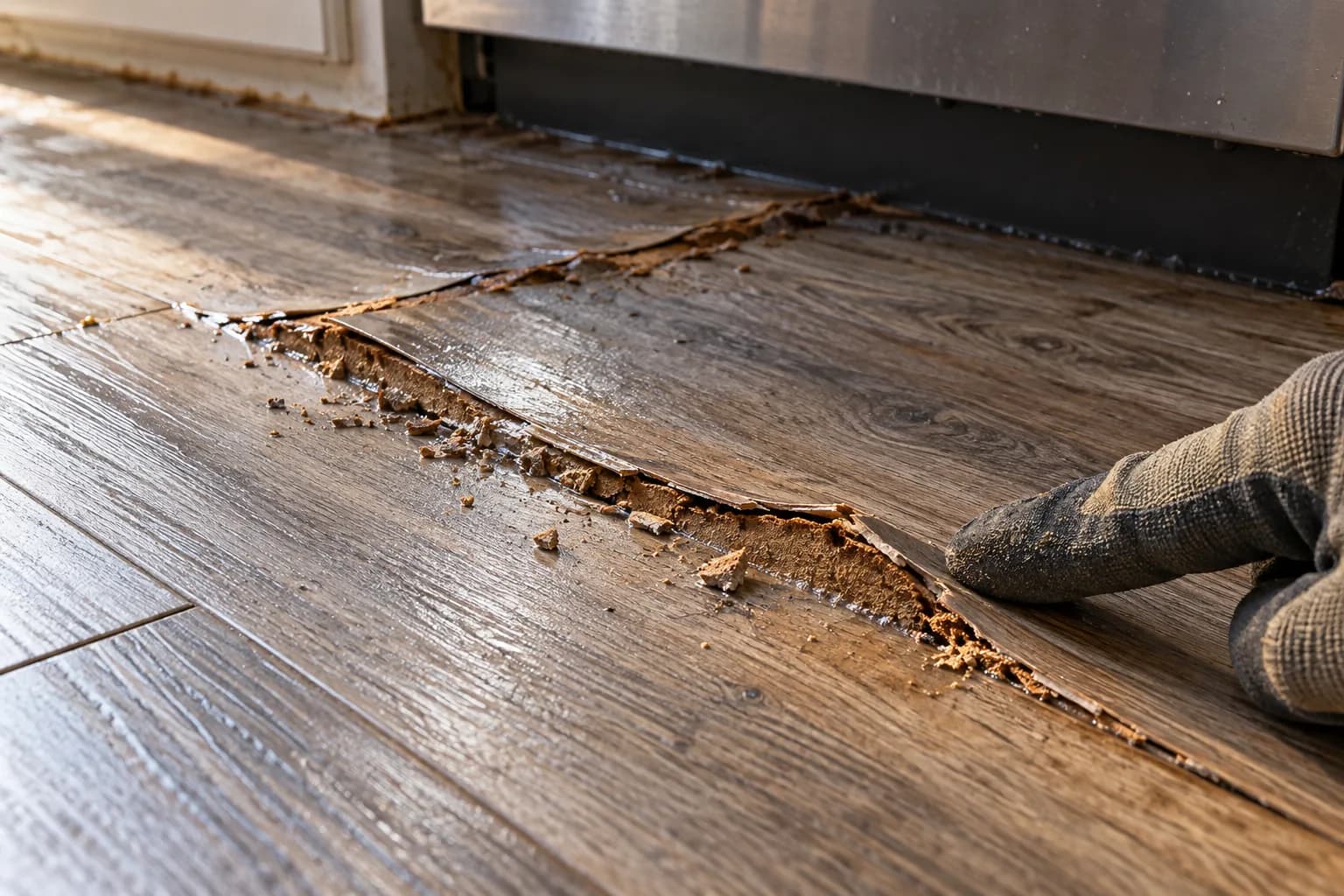
- Laminate. Usually replace. Laminate is a printed layer over a fiberboard core. Saturate that core and it swells, crumbles at the seams, and stays deformed. The plank is done. There is no refinishing a laminate plank.
- Tile. It depends on the subfloor. The tile itself shrugs off water, but a wet subfloor underneath can loosen the mortar bond, crack grout, or grow mold below. The concern is what is under the tile, not the tile face.
- Vinyl plank. Case by case. Many vinyl products handle surface water, but water trapped beneath the planks against a slab still has to be dried, or it festers.
Two other factors sit on top of floor type. The water category and the clock. Clean water caught quickly gives the best odds. Gray or contaminated water, or days of saturation, drops them fast no matter what the floor is made of.
Why the Subfloor Has to Dry First
Drying comes before any repair decision, full stop. The subfloor and, in most San Marcos, TX homes, the concrete slab beneath it hold moisture long after the surface boards feel dry to the touch. Concrete pulls in water during a leak and gives it back slowly.
Concrete is a reservoir. That is exactly why a floor can look fine on top and stay damp underneath for weeks.
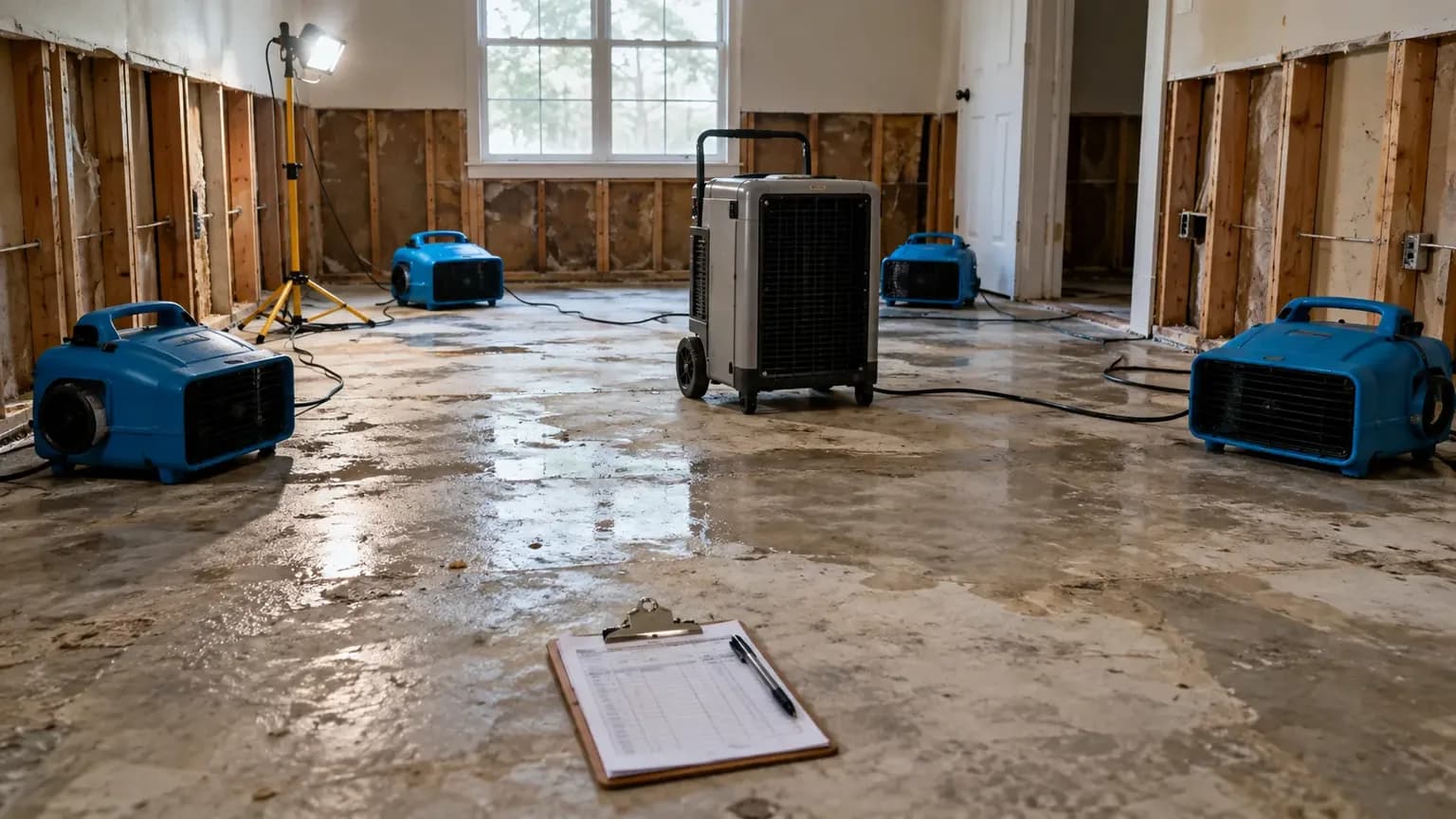
The humid local climate makes this worse by slowing natural evaporation, so a slab that might air-dry in a week somewhere arid can hold moisture far longer here. That is where structural drying of the subfloor earns its keep, using dehumidifiers and air movers guided by daily moisture-meter readings to pull water out of materials, not just the room air. The target is a documented dry standard, meaning the moisture content of the wood and the slab is measured and confirmed, not eyeballed. If you want the mechanics, how structural drying reaches hidden moisture walks through it.
The payoff is the decision itself. Once the subfloor reads dry, you can tell whether that cupped hardwood actually relaxed or stayed deformed, and you avoid the worst outcome. A brand-new floor laid over a slab that was never dried, which warps the new boards within months.
What Happens If You Ignore It
Leaving a warped floor alone does not let it settle down. It lets the damage compound. The trapped moisture keeps the wood swelling, so a small cupped patch creeps outward into adjoining boards. It keeps spreading. Underneath, a constantly damp subfloor begins to rot, fasteners loosen, and the structural panel that everything sits on loses its grip.
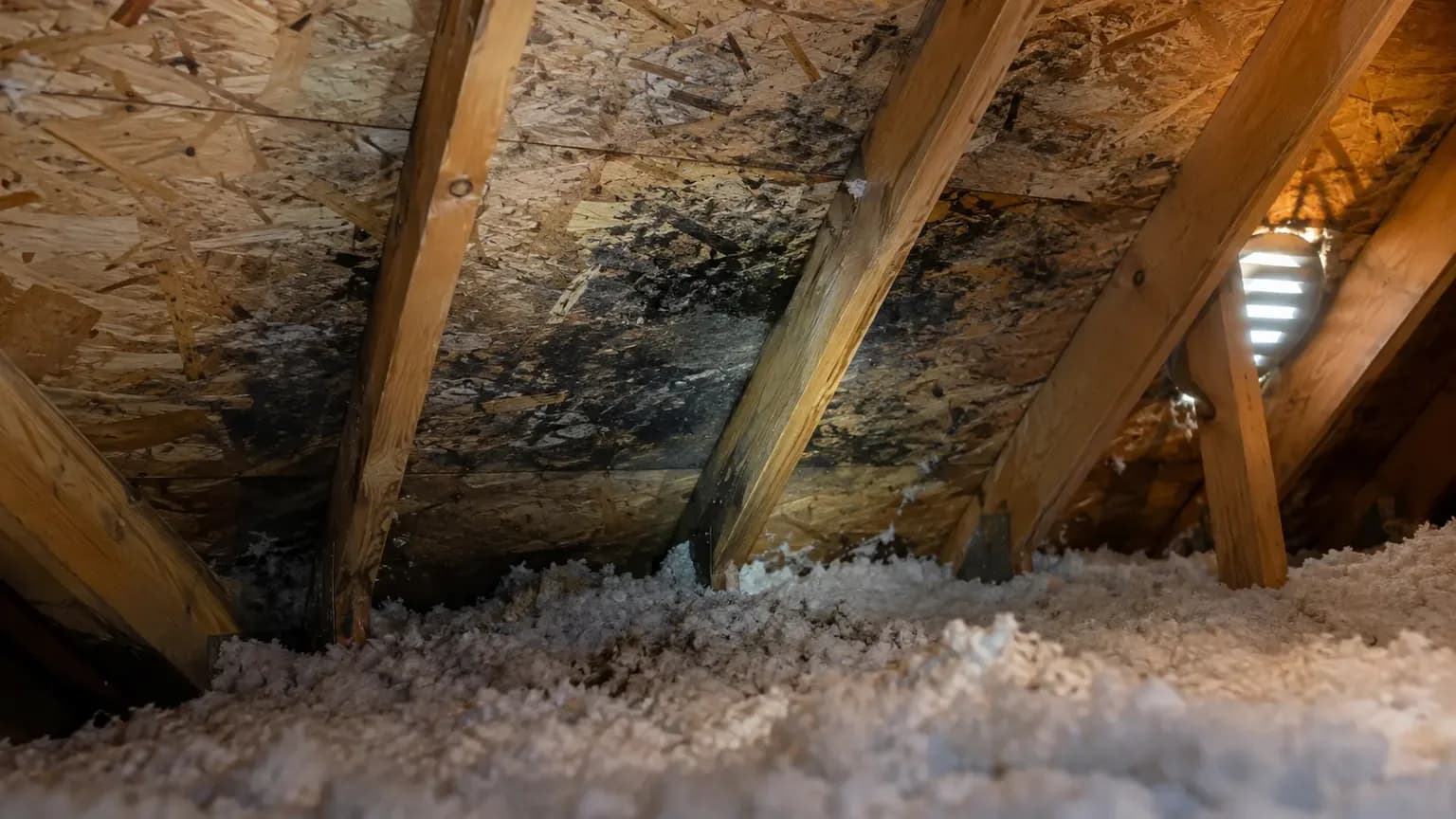
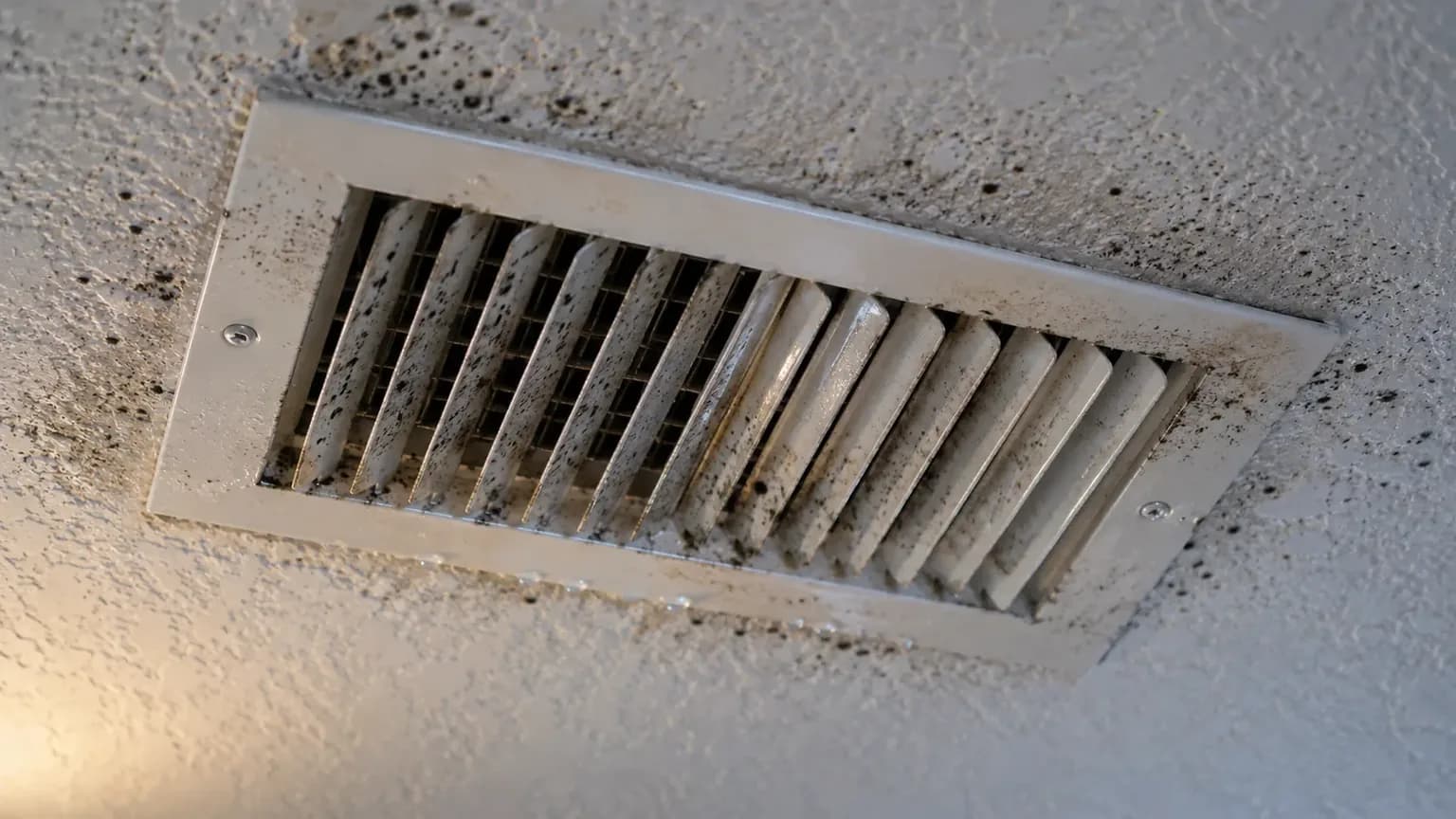
Then there is mold. Damp, dark, and undisturbed is its ideal home, and the underside of flooring against a wet slab checks every box, with growth possible within 24 to 48 hours of materials staying wet. By the time the smell reaches you, the colony is established below the surface. The cruel math is that a fast inspection and drying often saves a floor for a fraction of what a full tear-out-and-replace costs after months of neglect.
When to Call a Professional
Call when the floor shows any visible warping, when you suspect moisture got under it, or when you simply cannot tell whether it can be saved. Those are the exact situations where reading the subfloor moisture matters most, and a meter answers what a look cannot.
Call early. A homeowner cannot see whether a slab is still wet under intact-looking boards, and that hidden reading decides everything. The meter knows.
Start with a water damage inspection to map where the moisture actually sits, then dry to standard, then decide. If solid hardwood can be saved, drying first proves it and spares you a needless replacement. If laminate or engineered wood has swollen past saving, water damage repair and flooring replacement handles the build-back, but only after the subfloor underneath reads genuinely dry.
Written by the Water Damage Restoration San Marcos team
Local water-damage restoration in San Marcos, TX and Hays County. Our guidance follows the ANSI/IICRC S500 and S520 reference standards the industry plans around. Questions about your situation? Call (512) 778-8417, we answer 24/7.