San Marcos water damage guide
What to Do First When Your House Floods in San Marcos, TX
What to do first when your house floods in San Marcos comes down to one rule. Safety before cleanup. The water spreading across your floor right now feels like the emergency, and it is, but the order you do things in matters more than how fast you move. Get people clear of it. Cut the danger. Then deal with the water. The steps below are written to be read on a phone, one-handed, while you stand there deciding what to grab first.
Published · Updated
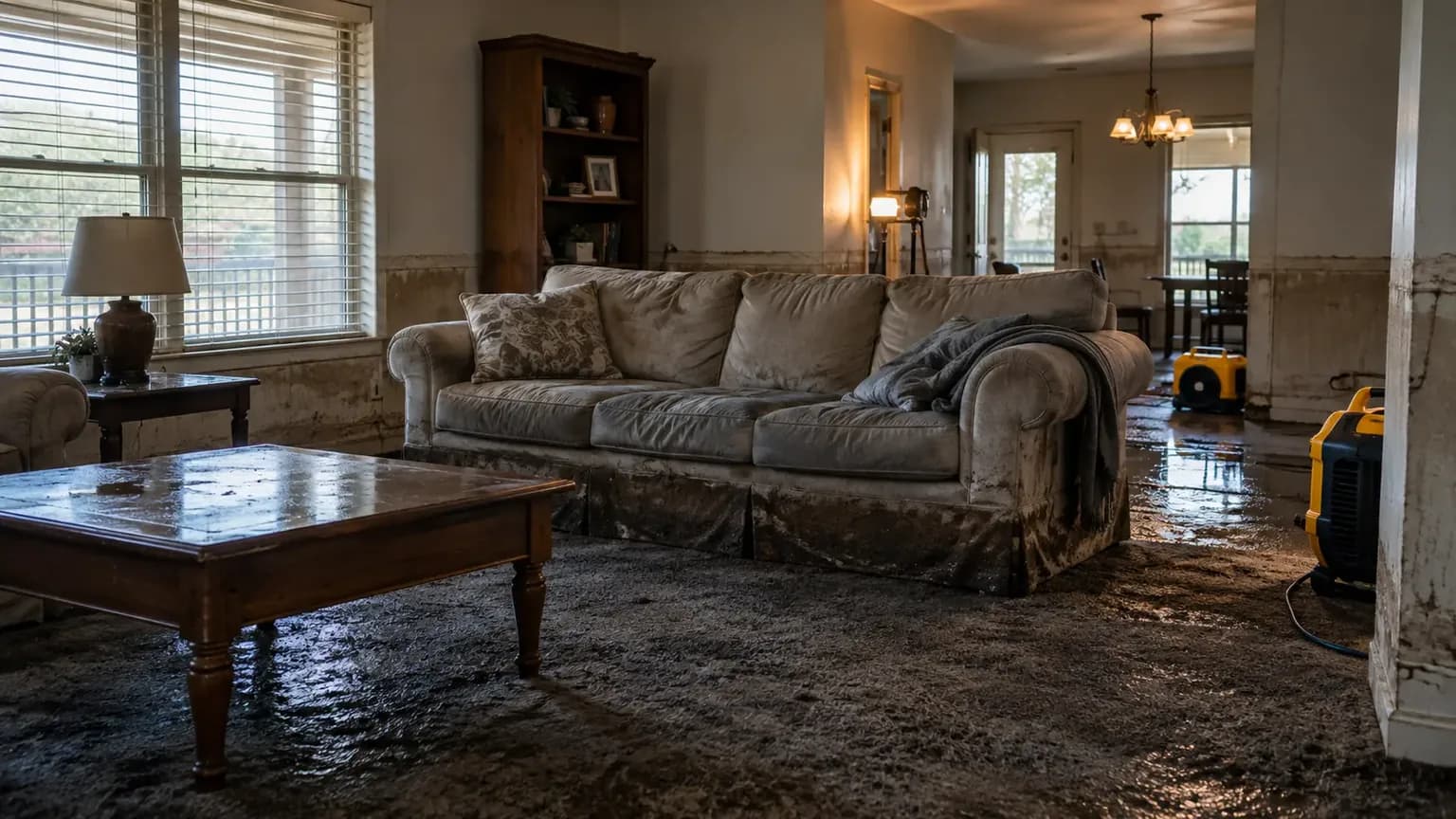
This is not the moment for a long read. It is a checklist. Follow it top to bottom.
Water spreading right now? Call for emergency water removal. (Phone line being finalized for launch.)
What Should You Do First When Your House Floods?
If your San Marcos home floods, safety comes before cleanup. Stop the water source if you can reach it, shut off electricity to affected areas, and stay out of standing water near outlets. Photograph everything for your claim before moving items, then call for professional extraction; the first 24 to 48 hours decide how much can be saved.
Here is the order.
- Get people and pets to safety. Out of the wet rooms and away from any sagging ceiling.
- Stop the water source. Shut off the appliance valve, the fixture supply, or the main if you cannot tell where it is coming from.
- Shut off power to the wet areas at the breaker. Do this before you walk into standing water near outlets.
- Stay out of standing water near outlets and panels. Water and electricity together are what actually kill people in a flood, so treat any energized pool as lethal until the power is confirmed off.
- Photograph and video everything. Wide shots, close shots, the source, the spread. Before you touch anything.
- Call your insurer and a restoration company. Start both clocks at once.
- Begin removing standing water only if it is safe and clean. If the water came from outside or smells like sewage, do not.
That is the whole sequence. Seven steps, in order. Print it, screenshot it, whatever gets it onto your phone before you need it.
How to Shut Off the Water and Power Safely
First, find the valve. In most San Marcos, TX homes the main water shut-off sits where the supply line enters the house, often near the water heater, in a utility closet, or out at the meter box near the street. Turn it clockwise to close it.
If a single appliance is the culprit, a washer or a water heater, there is usually a smaller valve right at that unit, and closing that one stops the bleed faster while the rest of the house keeps water.
Now the power. Standing water near an outlet, a wet baseboard, or a wet appliance is a live electrocution risk. Go to the breaker panel and flip the breakers for the flooded rooms, or kill the main if you are not sure which circuits are involved.
One hard line. Never stand in water to flip a breaker. If the panel itself is wet, or it sits in the flooded area, do not reach it. Step back, stay out, and call your utility or an electrician. A dry house is replaceable. You are not.
Slab-on-grade homes, which is most of San Marcos, TX, Kyle, and Buda, change the math here. Water does not pool in one spot. It runs flat and fast across the slab, slides under the cabinets, and wicks straight up into the baseboards and the bottom plate of the walls before you have even found the source. So the minute the source is off and the power is safe, you are racing the spread, not just mopping a puddle.
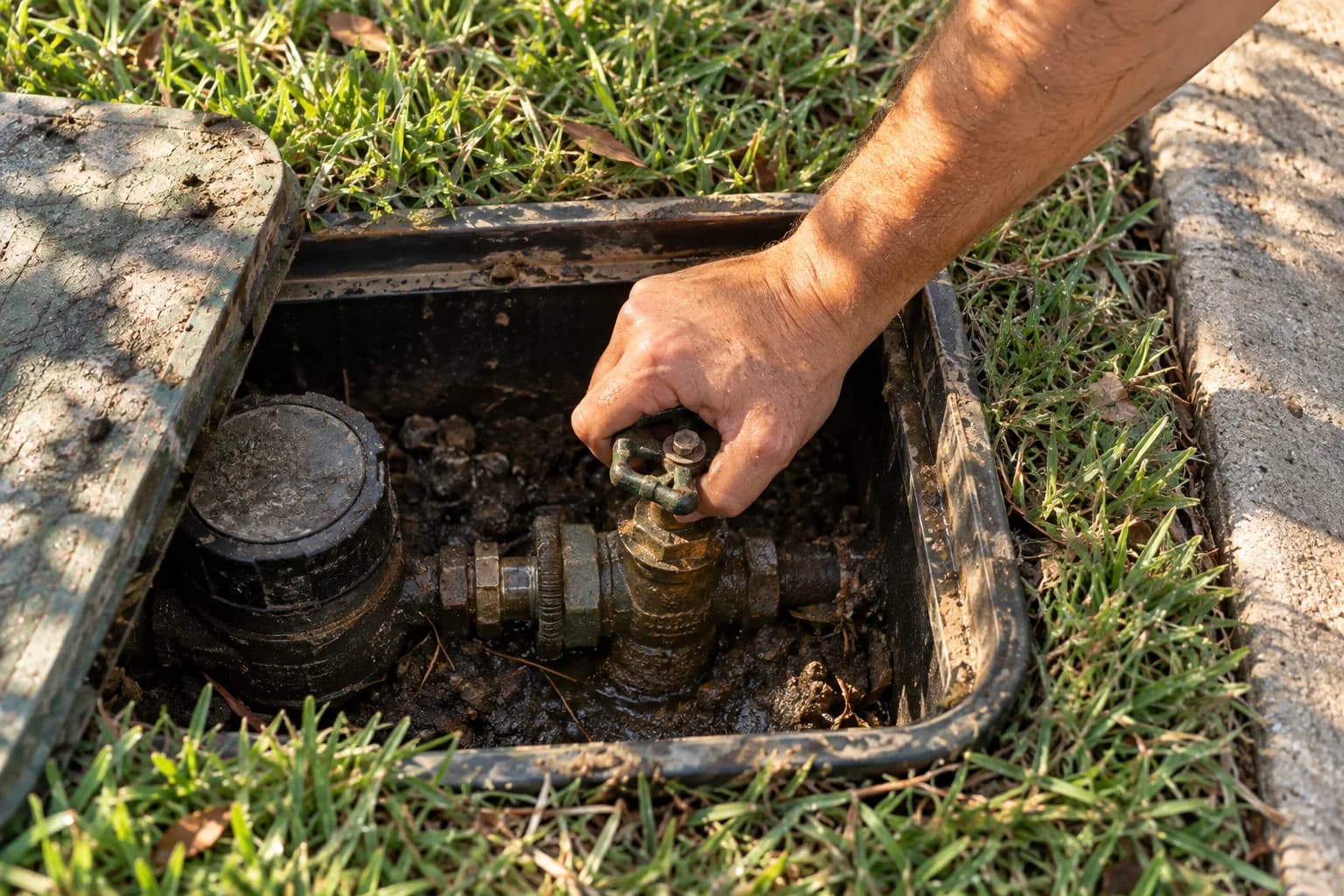
What You Should NOT Do After a Flood
Plenty. The instinct in a flood is to start grabbing and cleaning, and several of those instincts make things worse. Slow down a second. Do not walk into standing water near live power, do not run the HVAC, and do not throw anything out before it is documented.
Do not do these.
- Do not wade into standing water near outlets, switches, or a wet panel until power is off.
- Do not use a household vacuum or a shop vac you are unsure about to suck up standing water. That is how people get shocked.
- Do not throw out wet items before you photograph them. You are tossing your own claim evidence.
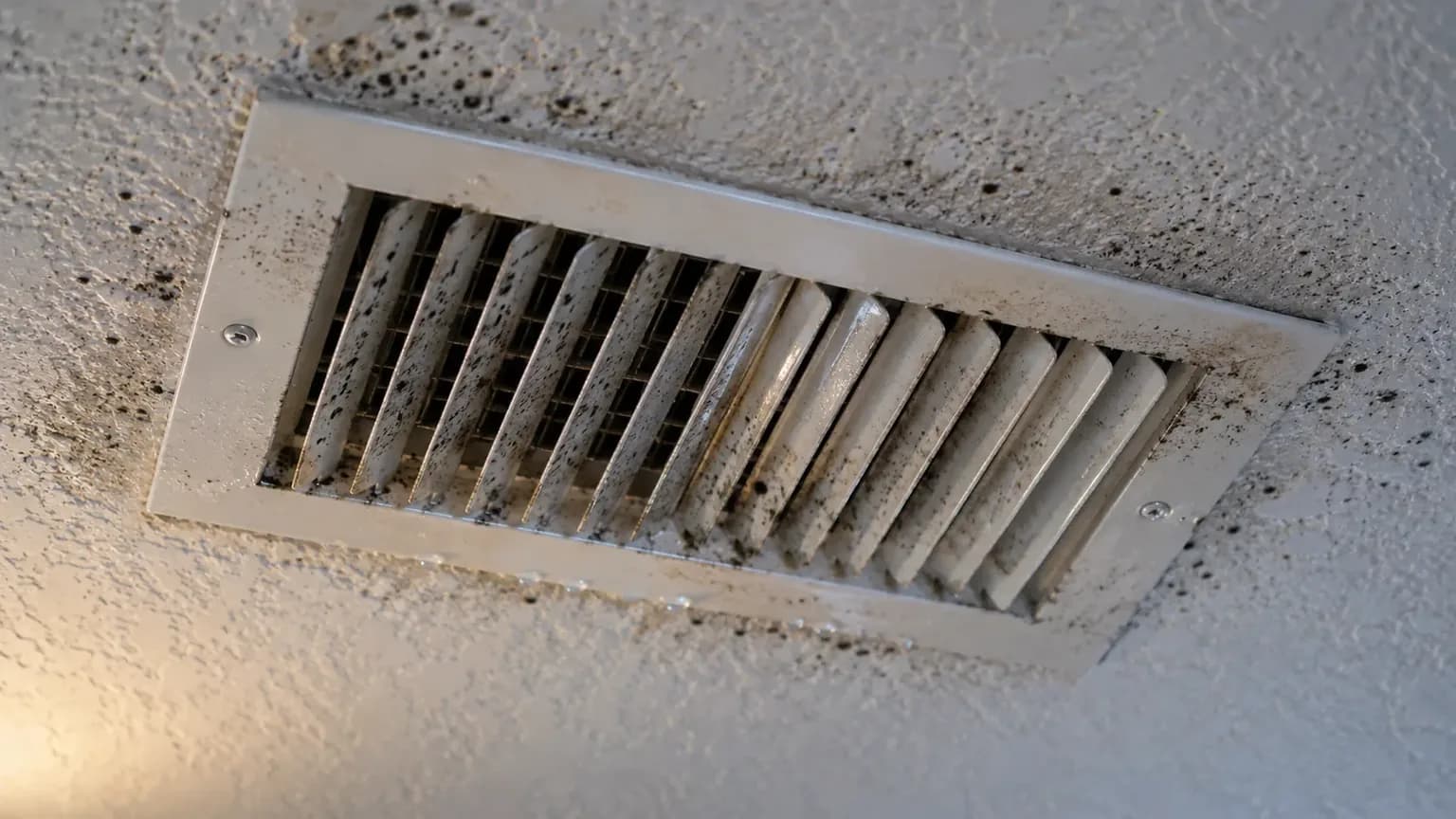
- Do not run the HVAC if the water may be contaminated, because the blower can pull spores and bacteria straight through the ductwork and seed dry rooms that the flood never reached.
Then there is the water itself. Clean water from a snapped supply line is the lower-risk kind, though it is still an electrical hazard anywhere it pools near outlets, switches, or a wet appliance. Floodwater that came in from outside during a storm, or anything backing up from a drain, is a different animal. That is Category 3 black water, and it carries bacteria, chemicals, and whatever the storm dragged through the streets. It is the dangerous kind. Do not touch it, do not let kids or pets near it, and do not try to clean it yourself. That is a job for flood damage cleanup with the right protective gear, since the bacteria and chemicals it carries are exactly what makes contact dangerous. When in doubt, stay out.
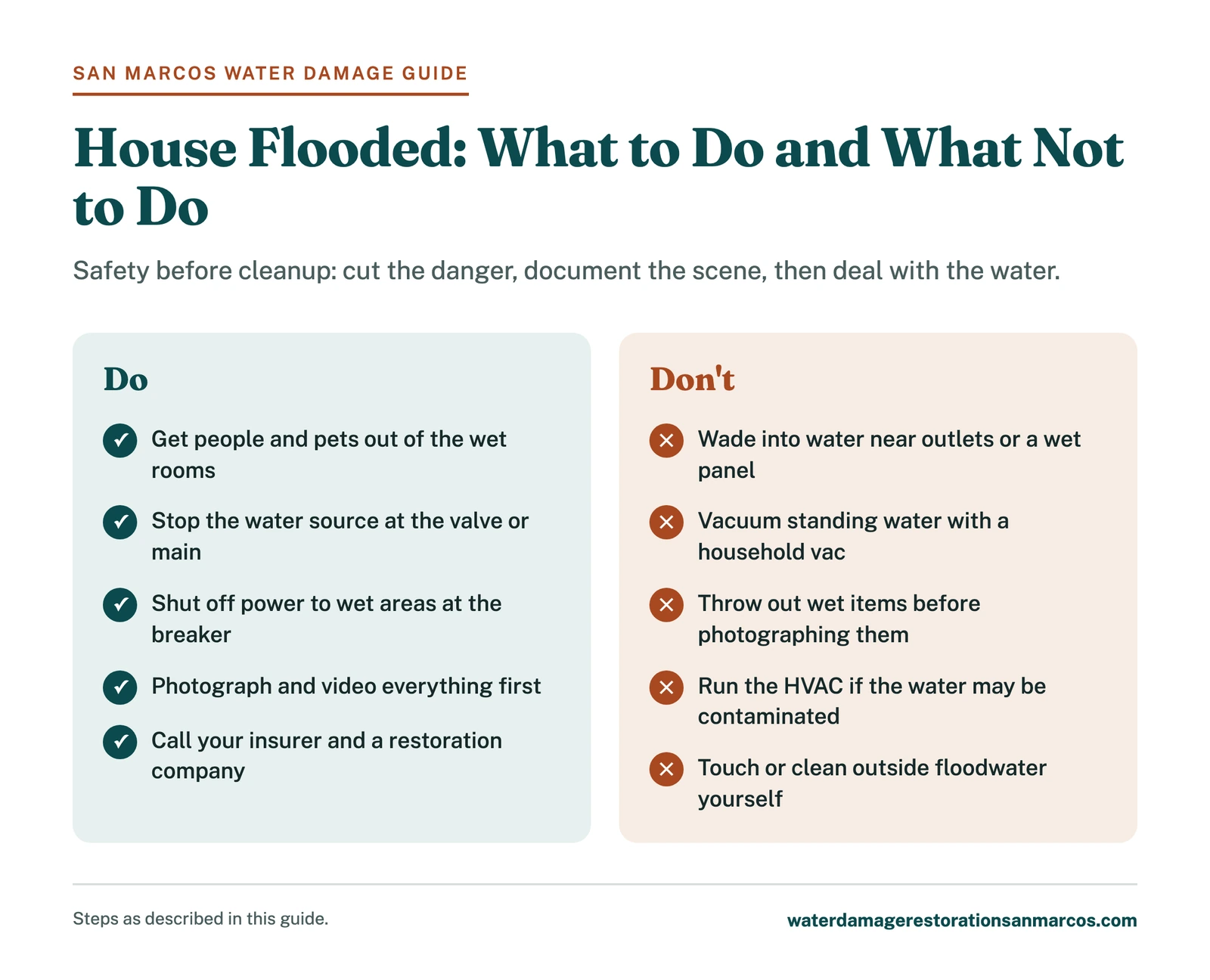
Text version of this infographic
House Flooded: What to Do and What Not to Do. Safety before cleanup: cut the danger, document the scene, then deal with the water.
Do
- Get people and pets out of the wet rooms
- Stop the water source at the valve or main
- Shut off power to wet areas at the breaker
- Photograph and video everything first
- Call your insurer and a restoration company
Don't
- Wade into water near outlets or a wet panel
- Vacuum standing water with a household vac
- Throw out wet items before photographing them
- Run the HVAC if the water may be contaminated
- Touch or clean outside floodwater yourself
Steps as described in this guide.
Document Everything Before You Clean Up
This is the step people skip, and it is the one that quietly costs them the most when the claim is settled later. The adjuster was not standing in your kitchen at 2 a.m. Your photos are, so shoot the source, the water depth, and every room before you move a thing.
Before you move a single box or mop a single tile, shoot it. Wide shots of each affected room. Close shots of the source and the damage. Video as you walk through narrating what happened and when. Get the soaked baseboards, the swelling cabinet bases, the watermark climbing the wall, and the ruined contents, because every one of those frames is something the adjuster never saw firsthand. Save receipts for anything you buy during the emergency, tarps, a pump, a hotel room. If you want the full method, here is how to document water damage for insurance step by step.
Homeowners who mop and bin the wet stuff first, trying to be helpful, lose twice. They give up the safety margin of a documented scene, and they hand the insurer a reason to question the loss. Five minutes of photos protects thousands of dollars.
Why the First 24 to 48 Hours Decide the Outcome
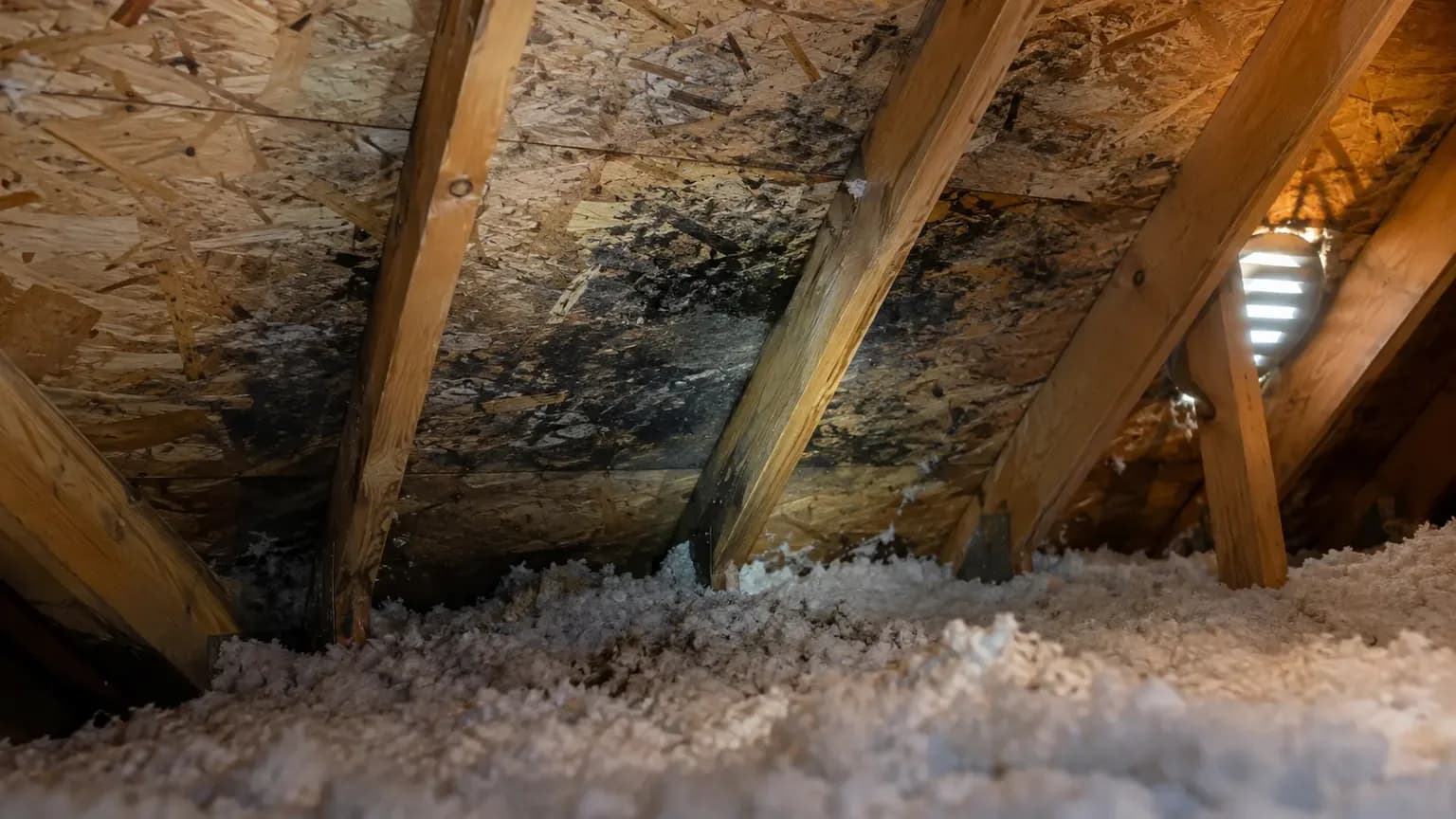
Speed is the whole game. The first 24 to 48 hours after water intrusion are critical to limiting secondary damage, and that is not marketing, it is how materials behave. Drywall wicks moisture up the wall. Subfloor and framing soak it in. And mold can begin to colonize wet organic material in that same window.
In humid Central Texas, that window runs short. The warm, moist air does drying no favors and gives mold a head start, which is exactly why a leak that sat overnight in July behaves worse than the same leak in a dry climate. If you want the real timeline, here is how fast mold grows after water damage.
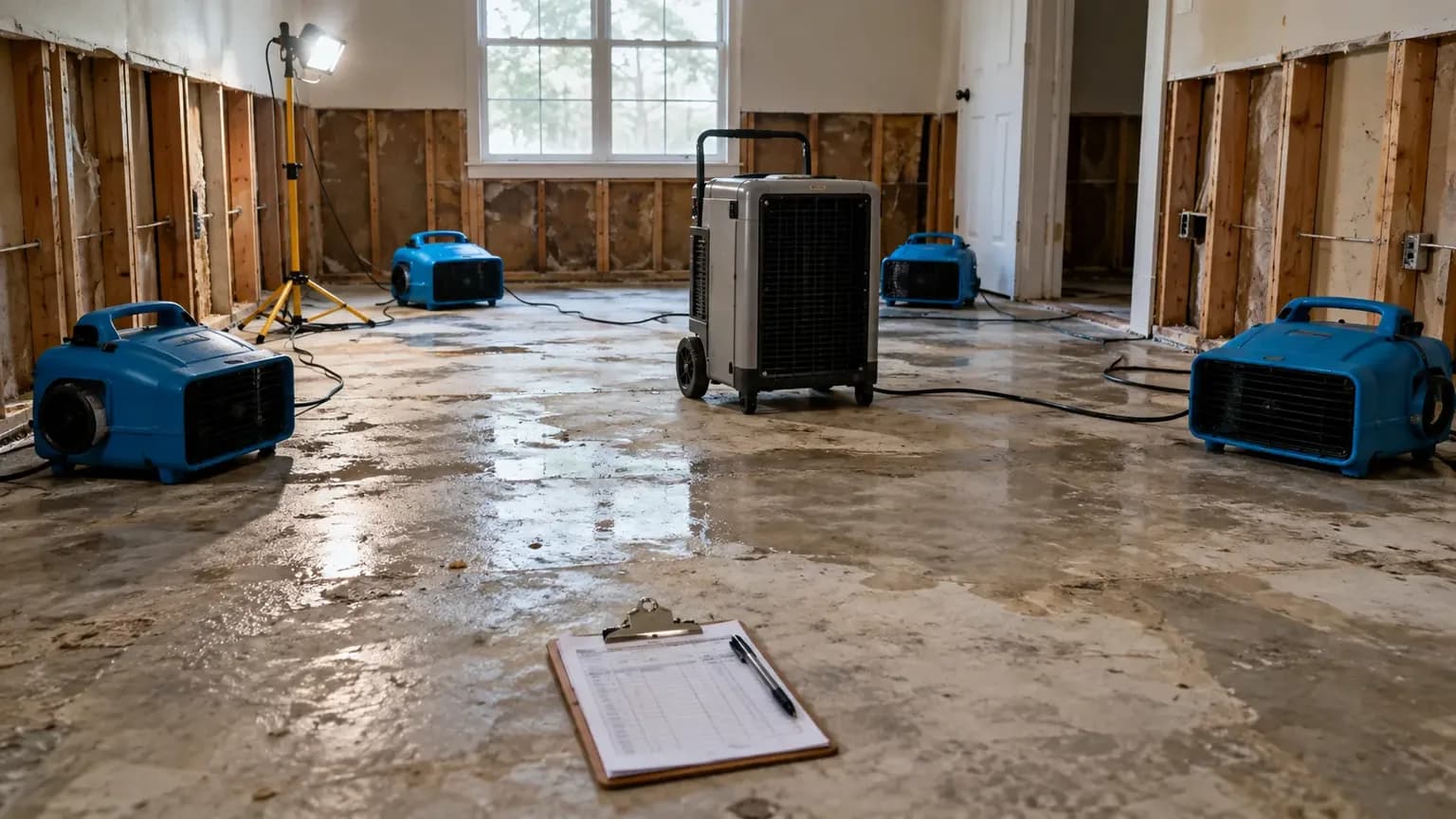
This is why the call matters more than the mop. Towels and box fans dry the surface and leave the water that already wicked into the cabinet kick, the wall cavity, and the subfloor. That trapped moisture is what turns a one-day cleanup into a tear-out. Professional emergency water extraction in San Marcos pulls the water out of the materials, not just off the floor, and that is the difference between drying a room and rebuilding one.
One honest note. After an area-wide event like San Marcos saw in 2015, demand for crews spikes and everyone calls at once. Lines get long. Call early, and use the wait to document. We answer around the clock so the clock starts the moment you reach us. (Phone line being finalized for launch.)
Written by the Water Damage Restoration San Marcos team
Local water-damage restoration in San Marcos, TX and Hays County. Our guidance follows the ANSI/IICRC S500 and S520 reference standards the industry plans around. Questions about your situation? Call (512) 778-8417, we answer 24/7.