San Marcos water damage guide
Soaked Carpet After Water Damage: Save It or Replace It?
You are standing on soaked carpet right now, water welling up around your socks with every step, doing the math on whether you can save it or whether the whole room is a loss. The soaked carpet water damage save or replace decision feels like it should hinge on how wet things look. It does not. It hinges on what kind of water it is and how fast it gets dried. Two things, really. Clean water caught within about 48 hours is often savable.
Published · Updated
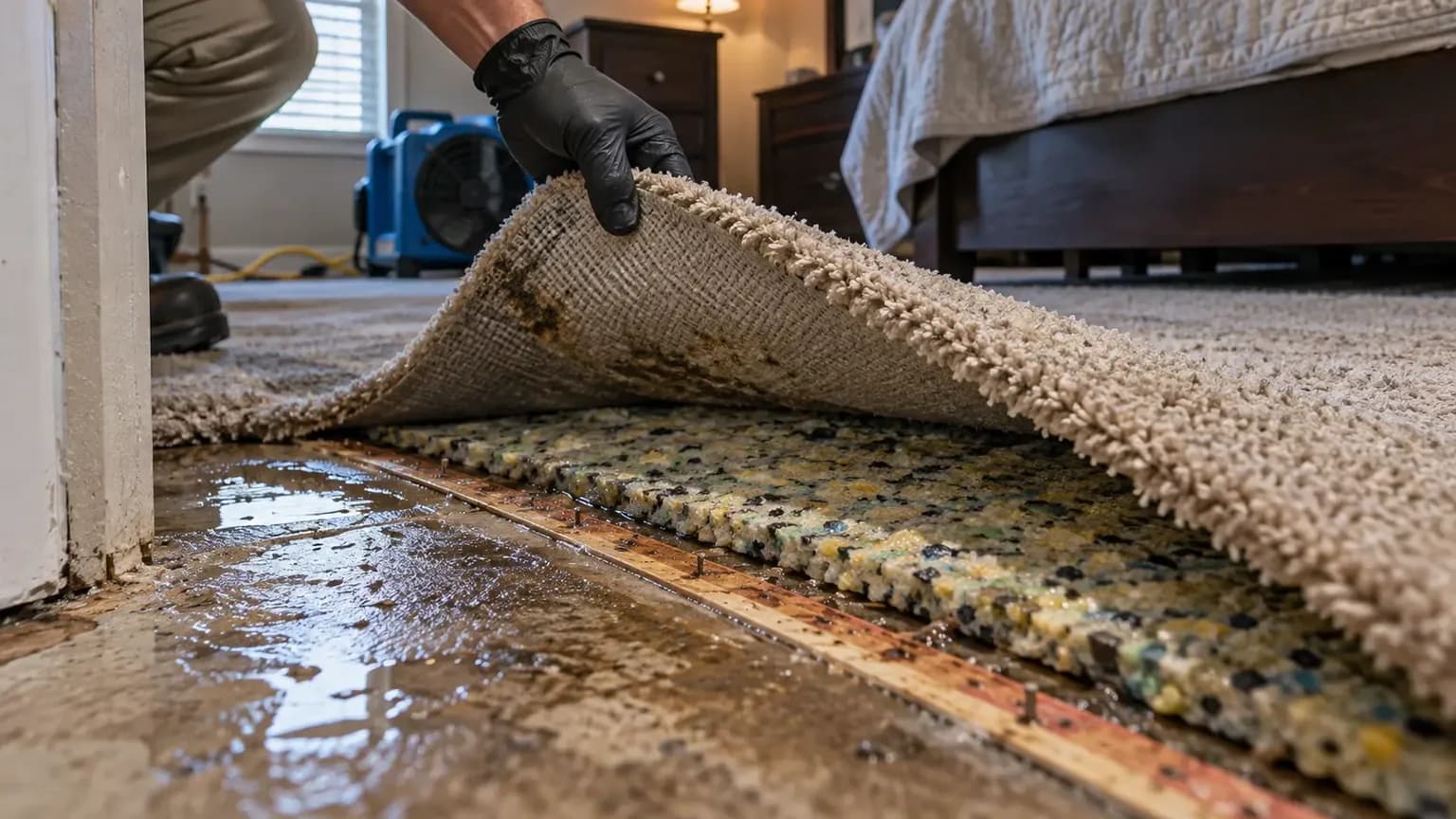
The pad underneath usually is not. And if the water came from a river or sewer, the answer is replace, every time, for your health. Here in San Marcos, TX, where the San Marcos and Blanco Rivers can push floodwater into homes, that distinction matters more than most homeowners realize.
Can Soaked Carpet Be Saved?
Clean water, caught fast, yes. Soaked carpet can often be saved if it was clean water and it is professionally extracted and dried within about 48 hours. The pad underneath usually has to be replaced because it holds water and dries too slowly.
Plan on a new pad. Sewage or river flooding means replacement for health reasons. The water type decides it.
Use this as your decision rule.
- Clean water, under 48 hours, professionally extracted, save the carpet, replace the pad.
- Gray water (dishwasher, washing-machine overflow, some appliance leaks). Case by case, and only with prompt extraction and sanitizing.
- Black water (sewage backup, river or flash-flood water). Replace the carpet and pad, no exceptions.
- Past the window or already musty, likely replace, because mold has had time to start.
It's Usually the Pad, Not the Carpet
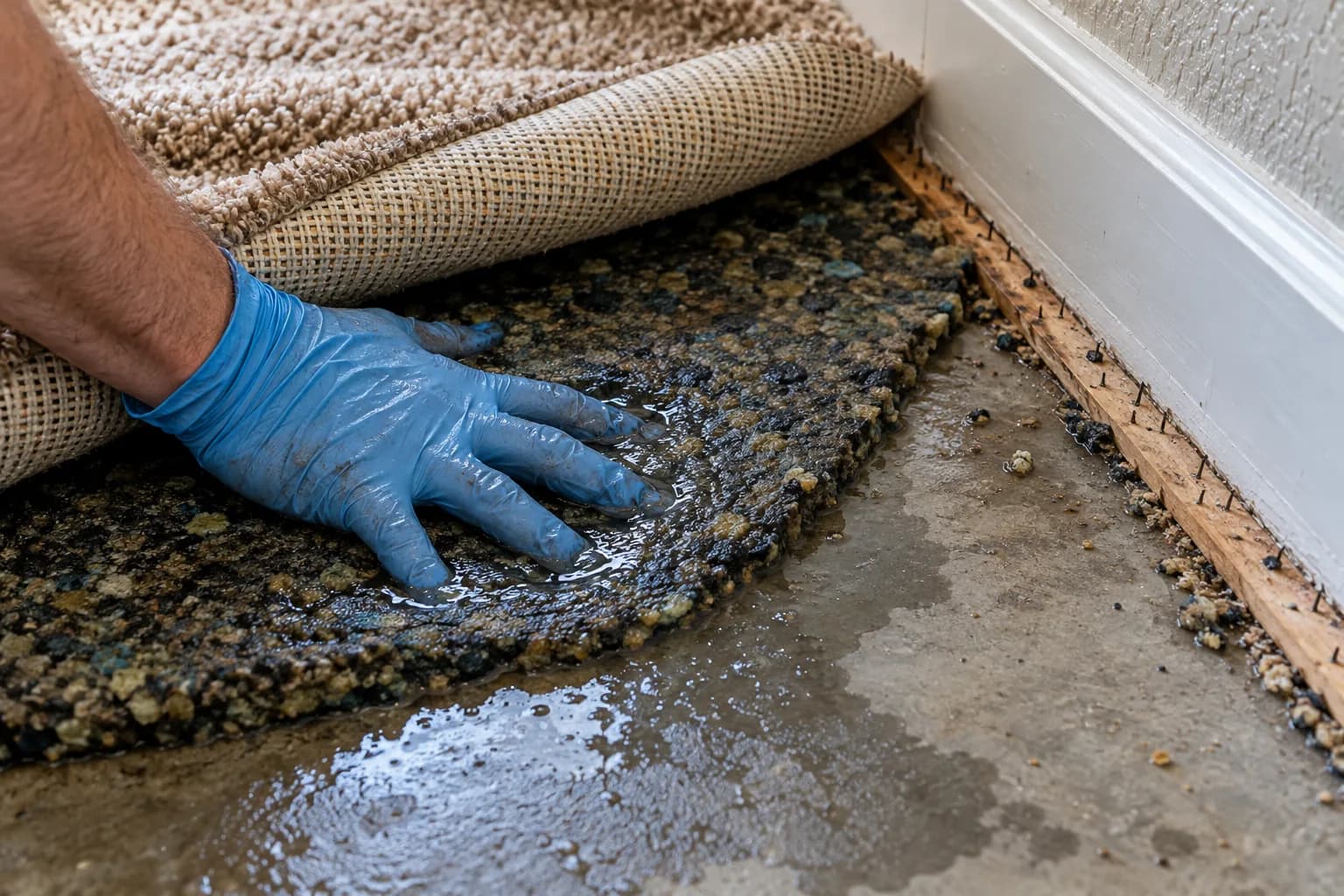
The pad is the real casualty. Here is what most homeowners miss, which means the pad underneath, not the carpet face you can see and touch, holds many times its own weight in water and dries far slower than the carpet sitting above it.
The pad is a sponge. So even when the carpet feels nearly dry your foot is pressing water out of the pad beneath.
That pad sits against the floor, and in most San Marcos homes that floor is a concrete slab. Water trapped between a soaked pad and the slab has nowhere to go and nothing pulling it out, which is precisely where mold gets started. So when someone "dries the carpet in place" with a box fan over the weekend, they are drying the one layer that was going to be fine anyway and leaving the wet sponge underneath. Three weeks later the room smells, and now the carpet, the pad, and sometimes the baseboards all come out. The fan felt like progress. It was not.
The method that actually works is the opposite of a fan on top. Pros pull the carpet back off the tack strip, throw out the soaked pad, then dry the carpet face and the slab separately so air reaches both surfaces. You can see why DIY cleanup vs calling a professional splits hardest on exactly this point, because the layer that needs the work is the one a homeowner cannot reach with a rented fan.
The Water Category Decides Almost Everything
Restoration crews sort water into three categories, and the category drives the save-or-replace call more than how soaked the carpet looks. Category 1 clean water is salvageable. Category 2 gray water means the pad goes and the carpet is judged. Category 3 black water means both go.
Category 1 is clean water, from a supply line or a fresh-water leak. This is the savable case, assuming fast extraction. Category 2 is gray water, lightly contaminated, from things like a washing-machine discharge or a dishwasher overflow. Gray water can sometimes be saved with quick extraction and sanitizing, but it is a judgment call and the pad still goes. Category 3 is black water, grossly contaminated and a genuine health hazard. That one is a discard.
This is where San Marcos matters. River and flash-flood water from the San Marcos or Blanco Rivers is Category 3, full stop, carrying sewage, runoff, and whatever the floodwater dragged through it. The 2015 Memorial Day flood drove exactly this kind of water into homes, and carpet touched by it is a discard, not a project. If the category labels are new to you, water damage categories explained breaks them down, and our flood damage cleanup covers the black-water side specifically.
The 48-Hour Clean-Water Window
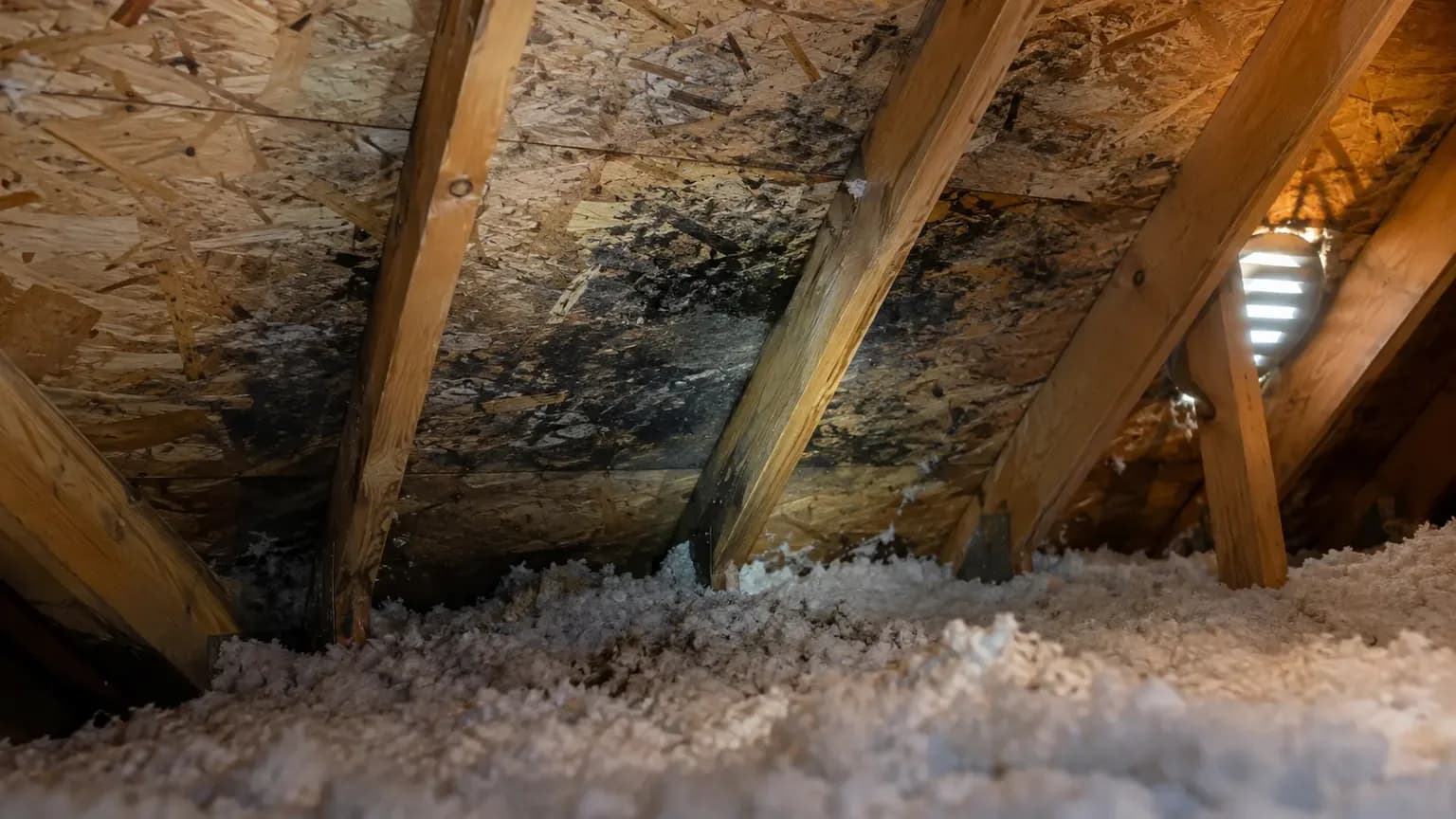
Time is the other half of the rule, and it is unforgiving. The clock is brutal. Mold can begin colonizing wet carpet and pad within roughly 24 to 48 hours, which is why even clean water has a hard deadline. Past that window, the question shifts from "can we dry it" to "has mold already started."
Hot, humid Central Texas summers shorten the window further. High indoor humidity slows evaporation while it speeds mold growth, a brutal combination for anything trying to dry on its own. Two strikes at once. So the same clean-water spill that might give you a comfortable two days in a dry climate gives you less here. The heat works against you. Move fast. The clock starts the moment the carpet gets wet, not the moment you notice it.
How Professionals Save Clean-Water Carpet
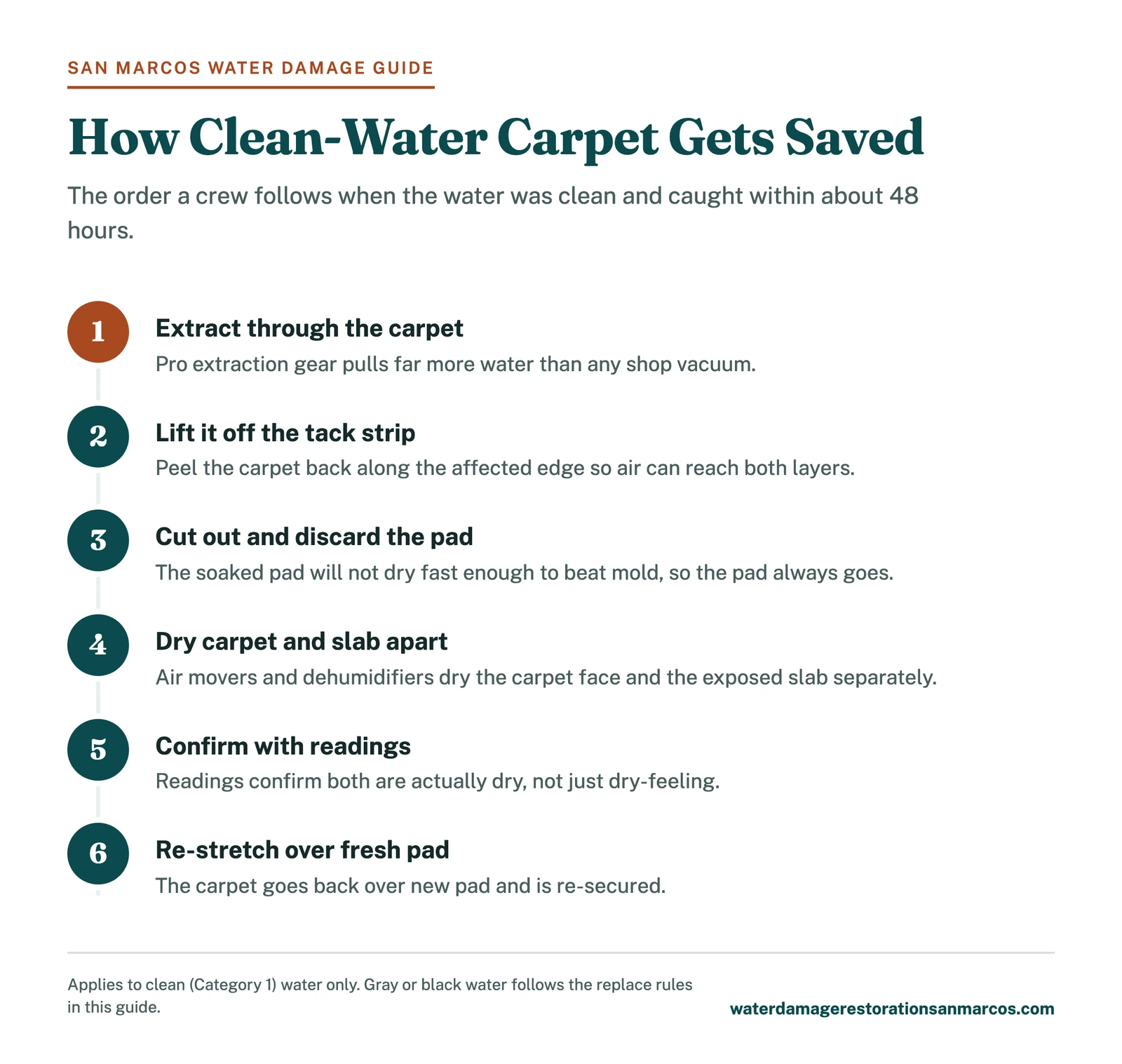
When the water is clean and you have caught it in time, here is the actual sequence a crew runs. Extract through the carpet, lift it, pull and discard the pad, then dry the carpet and subfloor separately with air movers and dehumidifiers. The order matters.
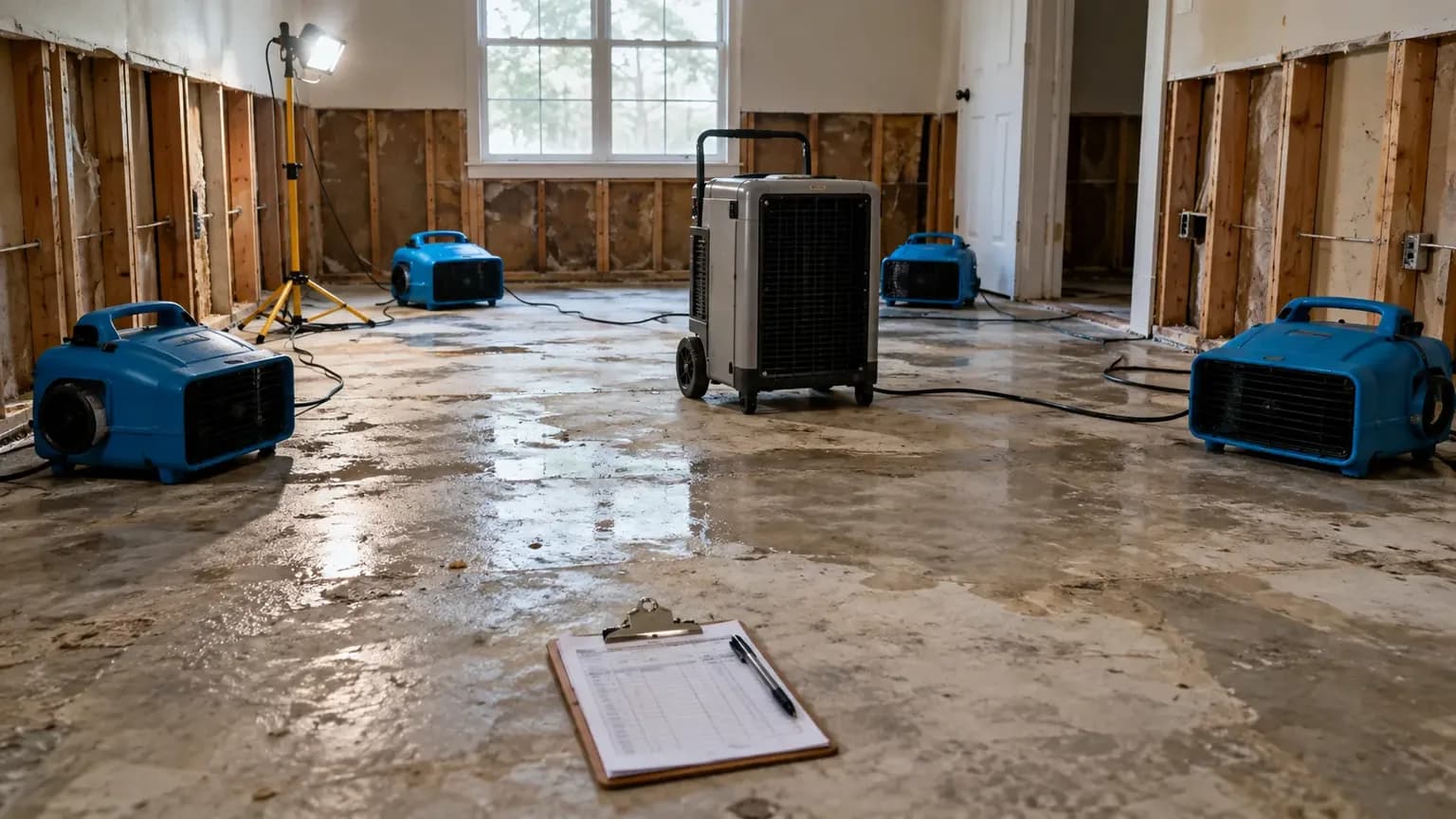
First comes extraction, pulling the bulk of the water out with professional water extraction gear that lifts far more moisture than any shop vacuum. Next the carpet gets peeled back off the tack strip along the affected edge. The soaked pad is cut out and discarded, since it will not dry fast enough to beat mold. The pad always goes. Then the carpet face and the exposed slab are dried separately with air movers and dehumidifiers, with moisture readings confirming both are actually dry rather than just dry-feeling. Finally the carpet is re-stretched over fresh pad and re-secured. Done in that order, a clean-water soaking becomes new pad and a saved carpet instead of a full replacement.
Text version of this infographic
How Clean-Water Carpet Gets Saved. The order a crew follows when the water was clean and caught within about 48 hours.
- Extract through the carpet. Pro extraction gear pulls far more water than any shop vacuum.
- Lift it off the tack strip. Peel the carpet back along the affected edge so air can reach both layers.
- Cut out and discard the pad. The soaked pad will not dry fast enough to beat mold, so the pad always goes.
- Dry carpet and slab apart. Air movers and dehumidifiers dry the carpet face and the exposed slab separately.
- Confirm with readings. Readings confirm both are actually dry, not just dry-feeling.
- Re-stretch over fresh pad. The carpet goes back over new pad and is re-secured.
Applies to clean (Category 1) water only. Gray or black water follows the replace rules in this guide.
When to Just Replace It
Some carpet is simply done. Pretending otherwise wastes money on a redo. Replace it when the water was gray or black, when a large area soaked through, when the backing has delaminated from the face, when a musty smell has set in, or when the drying window has passed.
A blunt local truth. If floodwater from a river event reached your carpet, do not try to save it. The health risk from Category 3 contamination is not worth the few hundred dollars a save might recover, and no amount of fan-drying makes black water safe to keep living on.
Written by the Water Damage Restoration San Marcos team
Local water-damage restoration in San Marcos, TX and Hays County. Our guidance follows the ANSI/IICRC S500 and S520 reference standards the industry plans around. Questions about your situation? Call (512) 778-8417, we answer 24/7.