San Marcos water damage guide
Water Damage Categories 1, 2 and 3 Explained
If a contractor or an insurance adjuster just told you your water damage is "Category 2," you're probably wondering what that actually means for your safety, your stuff, and your bill. Water damage categories are a contamination scale defined by the ANSI/IICRC S500 standard, and the category isn't a label someone slaps on to charge more. It's a diagnosis of how dirty the water is, and it drives two things. How the cleanup has to be handled, and what it costs. Here in San Marcos, TX, river flooding and sewage backups land squarely in the most serious tier more often than most homeowners expect, and a clean leak doesn't always stay clean.
Published · Updated
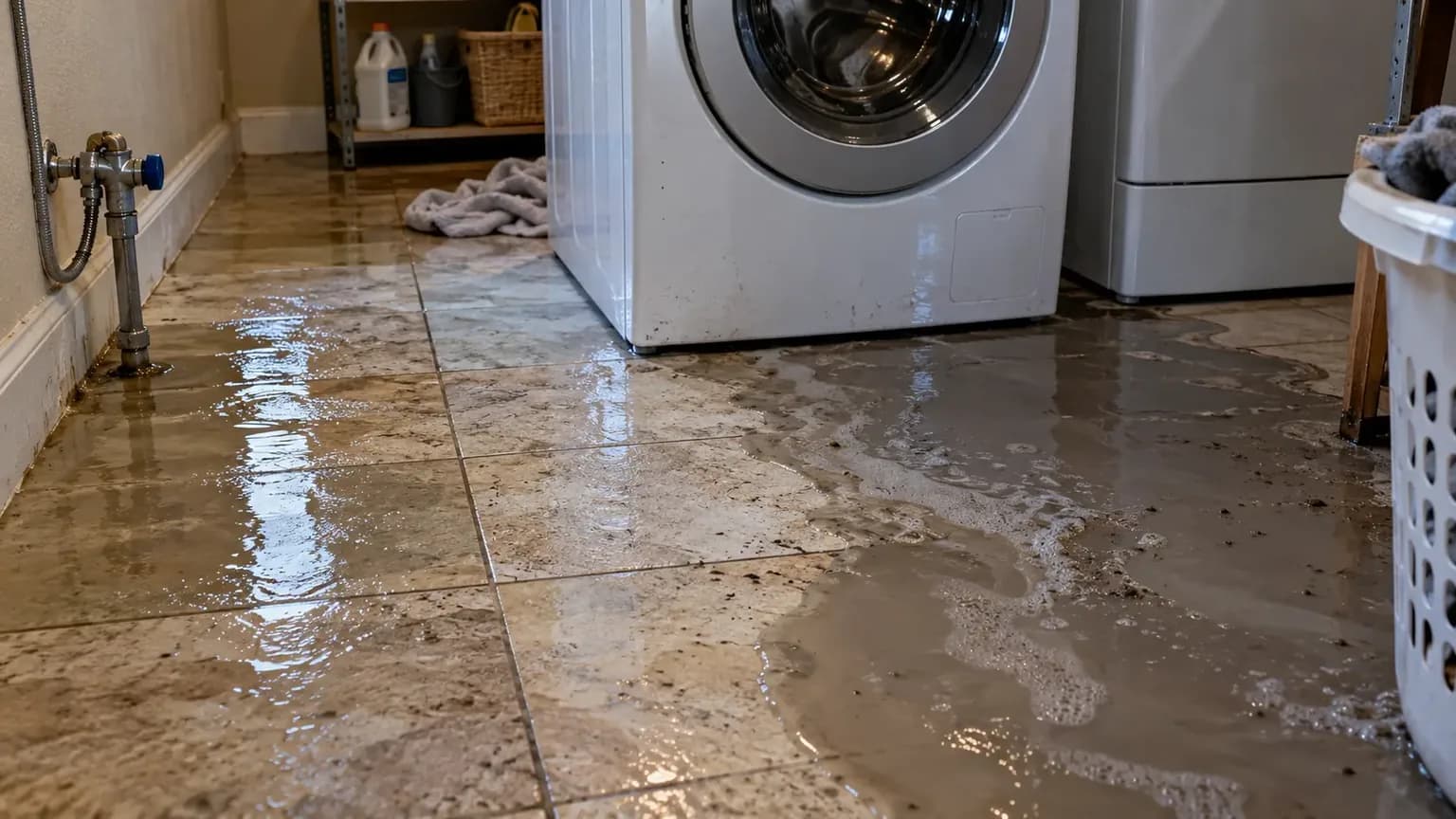
Not sure what category your water damage is? Get an assessment.
What Are the Water Damage Categories?
Water damage is classified into three categories under the ANSI/IICRC S500 standard. Category 1 is clean water from a sanitary source like a supply line. Category 2, gray water, is significantly contaminated, such as washing-machine discharge. Category 3, black water, is grossly contaminated sewage or river flooding, and is a health hazard.
Three tiers, one scale.
| Category | Also Called | Typical Sources | Health Risk |
|---|---|---|---|
| Category 1 | Clean water | Broken supply line, water-heater intake, rainwater before contact | Low if cleaned promptly |
| Category 2 | Gray water | Washing-machine or dishwasher discharge, sump overflow, toilet overflow (urine, no feces) | Moderate; can cause illness |
| Category 3 | Black water | Sewage backups, river and flash-flood water, toilet overflow with feces | High; serious health hazard |
The categories come straight from S500, the standard the restoration industry follows. The EPA backs the same logic on contamination and mold. Same logic, two sources. We reference both here as education, not as a credential we're waving around.
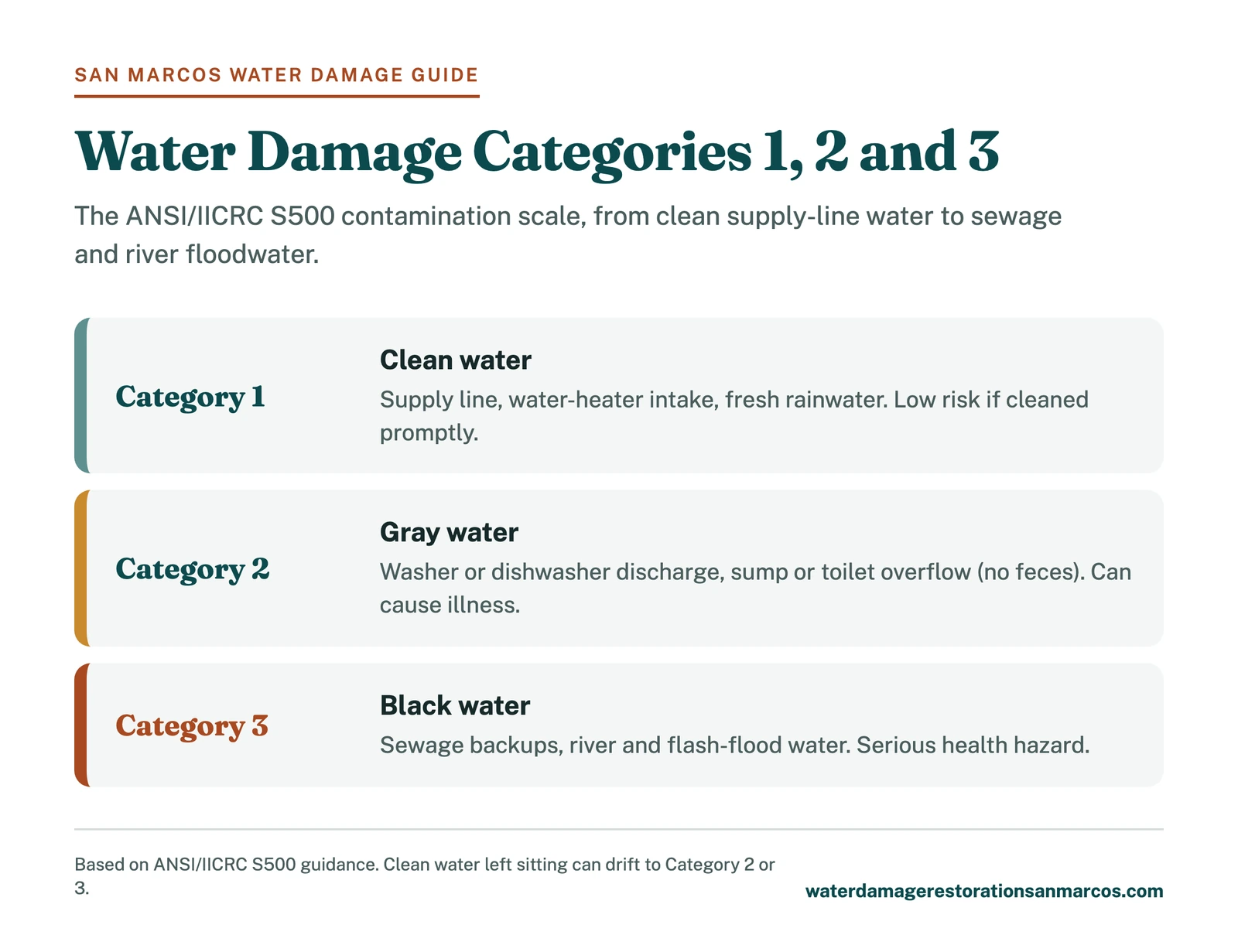
Text version of this infographic
Water Damage Categories 1, 2 and 3. The ANSI/IICRC S500 contamination scale, from clean supply-line water to sewage and river floodwater.
- Category 1 Clean water
- Supply line, water-heater intake, fresh rainwater. Low risk if cleaned promptly.
- Category 2 Gray water
- Washer or dishwasher discharge, sump or toilet overflow (no feces). Can cause illness.
- Category 3 Black water
- Sewage backups, river and flash-flood water. Serious health hazard.
Based on ANSI/IICRC S500 guidance. Clean water left sitting can drift to Category 2 or 3.
Category 1, Clean Water
Category 1 is water from a sanitary source. The short version is a burst copper supply line, the intake side of a water heater, or rainwater that has not touched the ground yet. It starts out about as harmless as tap water. The catch is in the word starts, because clean water that sits does not stay Category 1.
In a warm San Marcos, TX house, bacteria in the dust, the carpet, and the building materials get to work fast, and what was clean on Monday morning isn't clean by Wednesday. The source decides where it begins. The clock decides where it ends up.
Category 2, Gray Water
Gray water is significantly contaminated, with enough microorganisms or chemicals to make you sick if you swallow it. The usual culprits are appliance discharge, which means a washing machine that dumped a soapy load, a dishwasher leak, a sump pump overflow, or a toilet overflow carrying urine but no feces.
Handling changes at this tier. Porous items that soaked it up may not be salvageable, and surfaces need real sanitizing rather than a wipe-down. It's the middle ground, and it's also where a lot of "I thought it was just clean water" jobs actually land once a tech tests them.
Category 3, Black Water (the Most Serious)
Category 3, black water, is grossly contaminated and a genuine health hazard. This is sewage backup, toilet overflow with feces, and floodwater. It carries bacteria, viruses, and other pathogens, so the handling is a different world. PPE for the crew, aggressive sanitizing, and removal of most porous materials.
You can't safely clean black water out of drywall, carpet pad, or insulation. They come out and get disposed of properly.
Two local realities push San Marcos toward Category 3 more than people assume. River flooding from the San Marcos and Blanco Rivers is black water by definition, flash-flood water drags ground contaminants, fuel, and whatever the current picked up, so a flood job in the river corridor starts at the dirtiest tier. The May 2015 Memorial Day flood, when the Blanco River crested near 40 feet, is the extreme version of that risk. The other is sewage. The older plumbing in the downtown historic district and aging student rentals near Texas State University makes backups a recurring problem, and a Category 3 sewage cleanup in San Marcos is never a mop-and-bucket situation.
Dealing with sewage or floodwater? Call now.
Why the Category Can Change Over Time
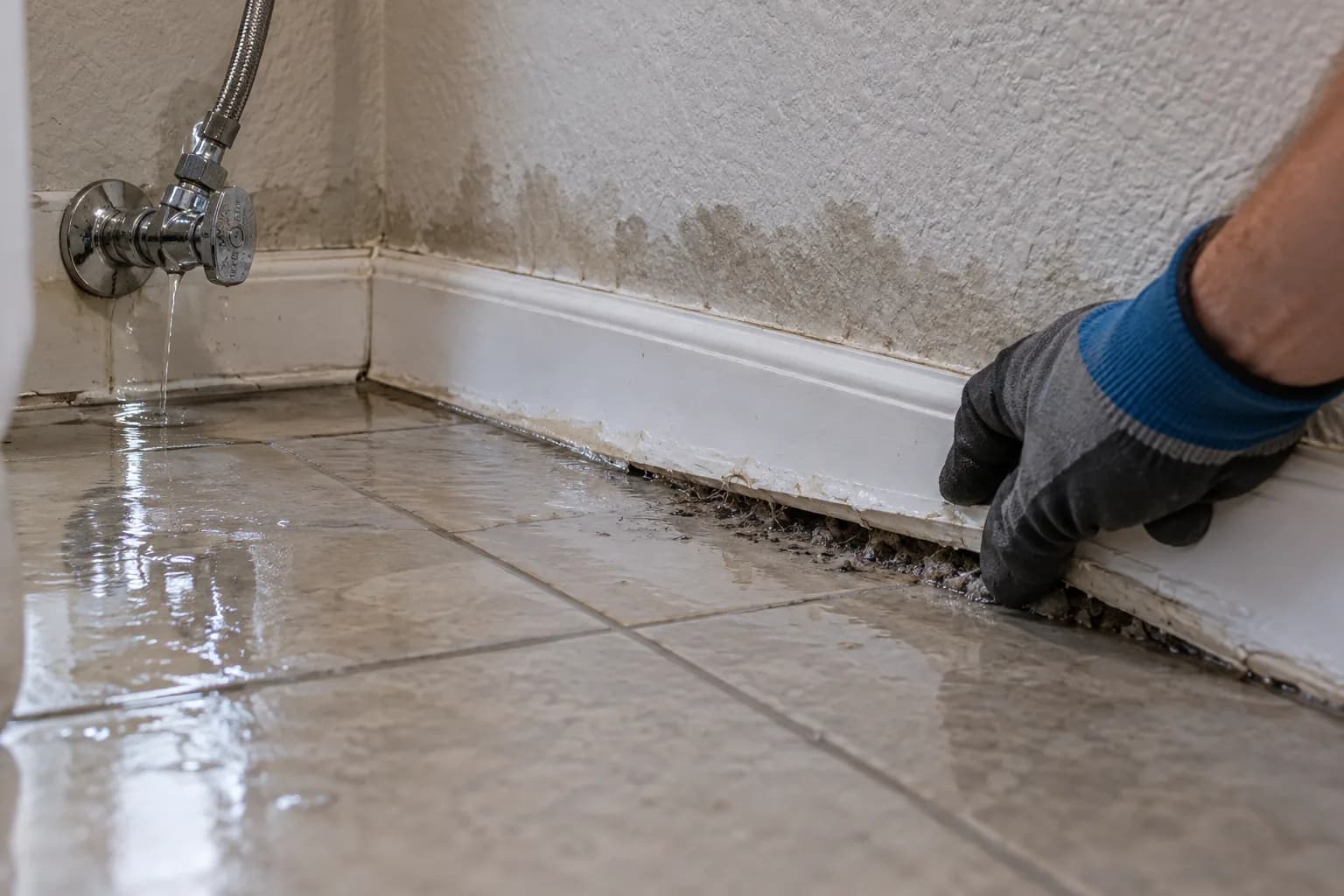
Category isn't fixed. Clean water becomes gray, and gray becomes black, the longer it sits and the more it contacts contaminated surfaces. A Category 1 supply-line leak that migrates into a baseboard holding a decade of dust is now gray, and Central Texas humidity speeds the whole thing up.
Here's the part most explainers leave out. It drifts dirtier by the hour. Bacteria multiply, because warm, damp conditions are exactly what they want. This is why the first 24 to 48 hours matter so much, and not only for mold. The clock is the enemy. A supply-line leak that's been wet for three days in a warm house may already test as Category 2, which is also where untreated moisture turns into a mold remediation problem.
Category vs Class, What's the Difference?
Category is about contamination, how dirty the water is, Categories 1 through 3. Class is about how much water there is and how hard it will be to dry, Classes 1 through 4. They are two separate measurements, and a tech assesses both because together they decide how the work runs.
People mix these up constantly. A small clean-water spill on tile might be Category 1, Class 1. Clean, and easy to dry. A flooded room with saturated carpet, drywall wicking up the walls, and wet subfloor could be Category 1 but Class 3 or 4. Still clean, but a serious drying job.
How the Category Affects Cost and Cleanup
The category changes the cost because contamination changes the work. A Category 3 cleanup needs protective equipment, antimicrobial sanitizing, more aggressive removal of porous materials, and proper disposal of contaminated waste. None of that applies to a tidy Category 1 leak, so a higher black-water quote is not padding.
Cost tracks contamination. Dirtier water, harder job. That gap is real work. One honest caveat. Only a trained assessor can correctly diagnose the category on site. Source, how long it sat, and what it touched all factor in, and that judgment shapes a fair scope versus a guess. For the bigger picture on phases and billing, see how mitigation and restoration differ.
Written by the Water Damage Restoration San Marcos team
Local water-damage restoration in San Marcos, TX and Hays County. Our guidance follows the ANSI/IICRC S500 and S520 reference standards the industry plans around. Questions about your situation? Call (512) 778-8417, we answer 24/7.